📈 Popular 📈

$29.99 $2.99/serving
View Review
Amanita muscaria
Lääketieteellisesti tarkistanut Dr. Irvine Russell, M.D.
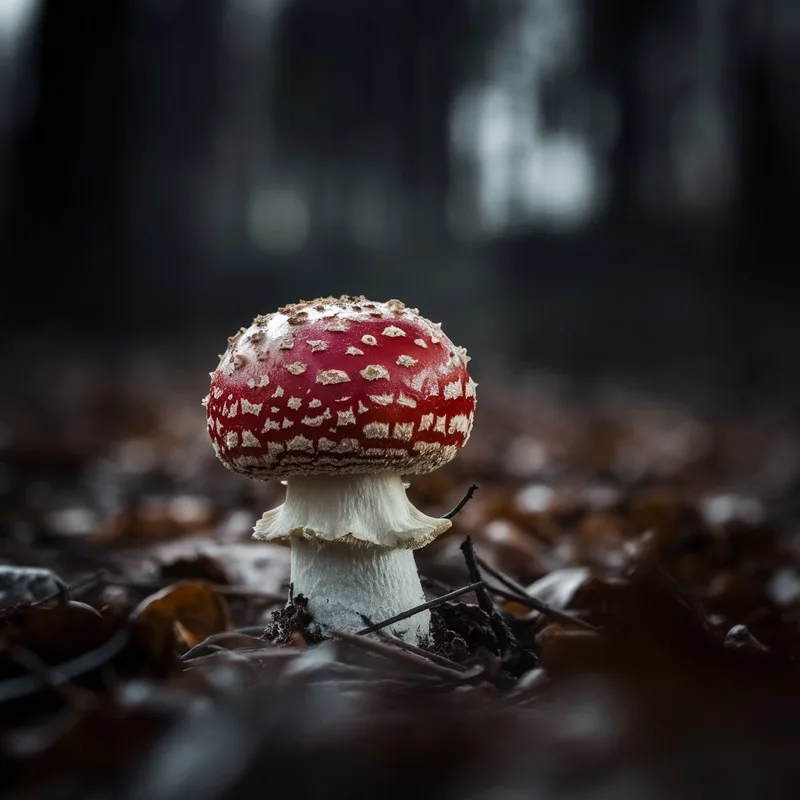
Amanita muscaria is a basidiomycete fungus of the genus Amanita, native to temperate and boreal regions of the Northern Hemisphere, where it forms ectomycorrhizal relationships with various trees including birch, pine, and spruce. This species is characterized by its large, conspicuous fruiting body with a bright red to orange cap bearing white, warty patches (remnants of the universal veil), a white stipe with a prominent ring, and a bulbous base. The primary psychoactive compounds are ibotenic acid and its decarboxylation product muscimol, which act on the GABAergic system as a potent GABA-A receptor agonist, producing sedative and anxiolytic effects distinct from serotonergic psychedelics.
#15
Suosituimmuusjärjestys
Emerging
Tutkimustaso
3
Viitteet
3
Keskeiset yhdisteet

Board-Certified Physician · Medical Reviewer · Viimeksi tarkistettu 12. helmikuuta 2026
Amanita Muscaria on kasvavan tieteellisen kiinnostuksen kohde. Varhaiset tutkimukset ovat lupaavia, mutta lisätutkimusta tarvitaan.
In plain English, Amanita muscaria is the iconic fairy-tale toadstool — the bright red mushroom with white spots that appears in countless children's books, video games (hello, Super Mario), and...
Amanita Muscaria on käytetty perinteisissä lääkintäjärjestelmissä vuosisatojen ajan, erityisesti perinteisessä kiinalaisessa lääketieteessä (TCM) ja muissa aasialaisissa hoitokäytännöissä.
Historiallinen konteksti: Perinteinen käyttö ei takaa tehoa tai turvallisuutta. Moderni tutkimus perinteisten väitteiden vahvistamiseksi on käynnissä.
In plain English, Amanita muscaria is the iconic fairy-tale toadstool — the bright red mushroom with white spots that appears in countless children's books, video games (hello, Super Mario), and holiday decorations. It grows throughout forests in the Northern Hemisphere, typically under birch and pine trees, and has a documented history of human use stretching back thousands of years across Siberian, Scandinavian, and other northern cultures.
What's important to understand about Amanita muscaria is that it works completely differently from psilocybin mushrooms. While psilocybin acts on serotonin receptors (like most classical psychedelics), Amanita muscaria's active compound, muscimol, works on the GABA system — the same system targeted by medications like Valium and Ambien. This means its effects are sedative, calming, and muscle-relaxing rather than visually psychedelic. Users typically report deep relaxation, dreamlike states, improved sleep quality, and reduced anxiety rather than the visual distortions and cognitive shifts associated with psilocybin.
Amanita muscaria has experienced a surge in popularity recently, particularly in the microdosing community. People are using very small, carefully prepared doses for stress relief, sleep improvement, and mood support. Unlike psilocybin, Amanita muscaria is legal in most jurisdictions (with a few exceptions like Louisiana and some countries), which has contributed to its growing mainstream availability. You can now find Amanita muscaria products — gummies, tinctures, capsules, and dried caps — in smoke shops, wellness stores, and online retailers.
However, there's a critical safety consideration: raw Amanita muscaria contains ibotenic acid, which is a neurotoxin that can cause nausea, confusion, and uncomfortable symptoms. Traditional preparation methods involve carefully drying the mushroom at specific temperatures, which converts the ibotenic acid into muscimol (the desirable compound). Proper preparation is absolutely essential — this is not a mushroom to casually forage and consume without thorough knowledge. Traditional Siberian shamans had elaborate preparation rituals that effectively decarboxylated the ibotenic acid, and modern users need to be equally careful.
Traditional uses of Amanita muscaria are deeply woven into northern cultures. Siberian shamans used it in spiritual ceremonies, and some scholars (controversially) have linked it to the Vedic soma, Viking berserker rituals, and even the red-and-white imagery of Santa Claus. Whether or not all these connections hold up to historical scrutiny, there's no question that this mushroom has played a significant role in human cultural history for millennia.
If you're considering Amanita muscaria products, start with very low doses — many microdosing protocols suggest beginning with 100–500 mg of properly dried cap material. Look for products from reputable vendors who test for muscimol and ibotenic acid content, ensuring the preparation process was done correctly. Never consume raw or improperly prepared Amanita muscaria. And while it's generally legal, the research base is still in its early stages compared to psilocybin — most of the evidence for its benefits currently comes from traditional use and user reports rather than rigorous clinical trials. Approach with curiosity but also with caution and respect for what is, after all, one of the most storied mushrooms in human history.
Parhaat tuotteet, jotka sisältävät todennettua Amanita muscaria uutetta.


Nämä tiedot on tarkoitettu vain opetustarkoituksiin eivätkä ne korvaa ammattimaista lääketieteellistä neuvontaa. Ota aina yhteyttä pätevään terveydenhuollon ammattilaiseen.
Board-Certified Physician · Medical Reviewer
Board-certified physician affiliated with UC Irvine, the Gavin Herbert Eye Institute, and the UCI School of Medicine. Dr. Russell reviews all mushroom encyclopedia entries for scientific accuracy, ensuring claims are supported by peer-reviewed research.
viimeksi tarkistettu: 12. helmikuuta 2026
Click anywhere or press Escape to close