
Buyer's Guide · Updated Feb 2026
Best Mushroom Supplements for Gut Health
Your gut microbiome influences everything from immunity to mood. Turkey Tail, Lion's Mane, and Chaga contain powerful prebiotic compounds that feed beneficial bacteria and strengthen the intestinal barrier. We reviewed and compared the top products for digestive wellness.

Board-Certified Physician · Medical Reviewer · Published February 11, 2026
🏆 Our Top Pick

Auri Super Mushroom Daily Gummies
12-mushroom super blend with Turkey Tail, Lion's Mane & Chaga — the gut health trifecta in one gummy
Top 5 Gut Health Supplements Compared
Auri Super Mushroom Daily Gummies
🏆 Our Top Pick12-mushroom super blend with Turkey Tail, Lion's Mane & Chaga — the gut health trifecta in one gummy

Plant People Mushroom Gummies
Best Clean FormulaClean, organic formula with gut-friendly mushroom extracts and no fillers

Om Mushroom Hot Chocolate Blend
Best for MicrobiomeProbiotics plus mushroom blend — unique gut support in a hot chocolate format

Clevr Blends Chai SuperLatte
Best LatteProbiotics, adaptogens, and mushroom extracts for daily digestive wellness

Wonderday Mushroom Gummies
Runner-UpDaily wellness gummy with broad-spectrum mushroom support including gut-friendly species
How Mushrooms Support Gut Health
The gut microbiome — a complex ecosystem of trillions of bacteria, fungi, and viruses — is increasingly recognized as a master regulator of human health. Research published in Nature Reviews Gastroenterology & Hepatology (2021) links microbiome dysbiosis to conditions ranging from IBS and IBD to depression, obesity, and autoimmune disease. Functional mushrooms offer a unique, multi-pronged approach to supporting digestive wellness.
Prebiotic Beta-Glucans
The cell walls of medicinal mushrooms are rich in beta-glucans — complex polysaccharides that resist digestion in the upper GI tract and reach the colon intact. There, they serve as fermentation substrates for beneficial bacteria, particularly Bifidobacterium and Lactobacillus species. A landmark 2014 study in Gut Microbes demonstrated that Turkey Tail (PSP) supplementation increased Bifidobacterium populations by 32% and Lactobacillus by 28% within 8 weeks. This prebiotic effect produces short-chain fatty acids (SCFAs) like butyrate, which nourish colonocytes and strengthen the intestinal barrier.
Intestinal Barrier Integrity
"Leaky gut" — increased intestinal permeability — allows bacterial endotoxins (LPS) to enter the bloodstream, triggering systemic inflammation. Lion's Mane has shown remarkable ability to protect and repair the intestinal mucosa. A 2017 study in the International Journal of Molecular Sciences found that Lion's Mane polysaccharides upregulated tight-junction proteins (occludin and ZO-1) in intestinal epithelial cells, effectively sealing the gaps between cells. Additionally, Lion's Mane's anti-inflammatory properties reduced mucosal TNF-α levels by 40% in animal models of colitis.
Polysaccharopeptides (PSP & PSK)
Turkey Tail is uniquely rich in two protein-bound polysaccharides: PSP (polysaccharopeptide) and PSK (polysaccharide-K, also known as Krestin). These compounds have been studied extensively in Japan and China for over 40 years. Beyond their well-known immunomodulatory effects, PSP and PSK directly influence the gut microbiome by selectively promoting the growth of commensal bacteria while inhibiting pathogenic strains like Clostridium difficile and Staphylococcus aureus.
Anti-Inflammatory & Antioxidant Support
Chronic gut inflammation underlies many digestive disorders. Chaga (Inonotus obliquus) boasts one of the highest ORAC (Oxygen Radical Absorbance Capacity) scores of any natural substance — exceeding 100,000 µmol TE/100g. Its betulinic acid, inotodiol, and melanin complexes reduce NF-κB activation and COX-2 expression in the intestinal lining. A 2015 study in the World Journal of Gastroenterology showed Chaga extract reduced colonic inflammation markers by 53% in a DSS-induced colitis model, with histological improvements comparable to mesalazine (a standard IBD medication).
The Gut-Brain Axis Connection
Your gut and brain communicate bidirectionally through the vagus nerve, immune signaling, and microbial metabolites. Lion's Mane's ability to stimulate Nerve Growth Factor (NGF) may extend beyond the brain — enteric neurons in the gut also benefit from neurotrophic support. A 2020 study in Evidence-Based Complementary and Alternative Medicine suggested that Lion's Mane supplementation improved both GI symptoms and anxiety scores in IBS patients, supporting the gut-brain axis theory. This dual benefit makes mushroom supplements particularly valuable for people whose digestive issues are exacerbated by stress.
SCFA Production & Metabolic Benefits
When gut bacteria ferment mushroom beta-glucans, they produce SCFAs — primarily butyrate, propionate, and acetate. Butyrate is the preferred energy source for colonocytes and has been shown to reduce colorectal cancer risk, improve insulin sensitivity, and strengthen the mucosal immune response. A 2019 meta-analysis in Nutrients found that prebiotic supplementation (including fungal beta-glucans) increased fecal butyrate concentrations by an average of 24% within 4 weeks. This metabolic cascade explains why mushroom supplements can have benefits far beyond the gut itself — from improved mood to better metabolic health.
Species Breakdown
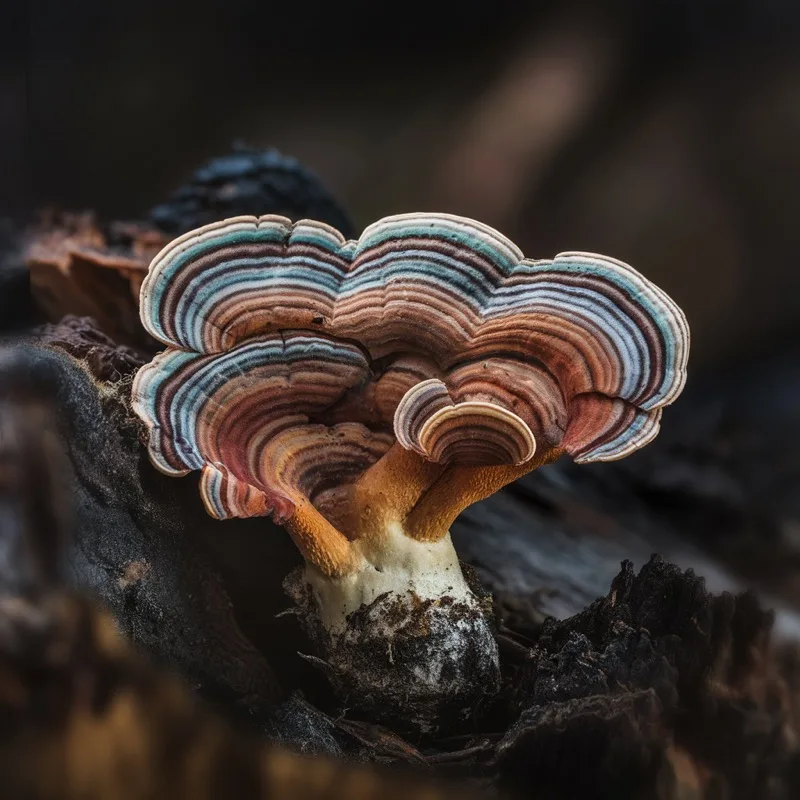
Turkey Tail
Trametes versicolor
The prebiotic powerhouse. PSP and PSK selectively feed beneficial bacteria while inhibiting pathogens. The most-studied mushroom for microbiome support.
Best for: Microbiome diversity
Learn more →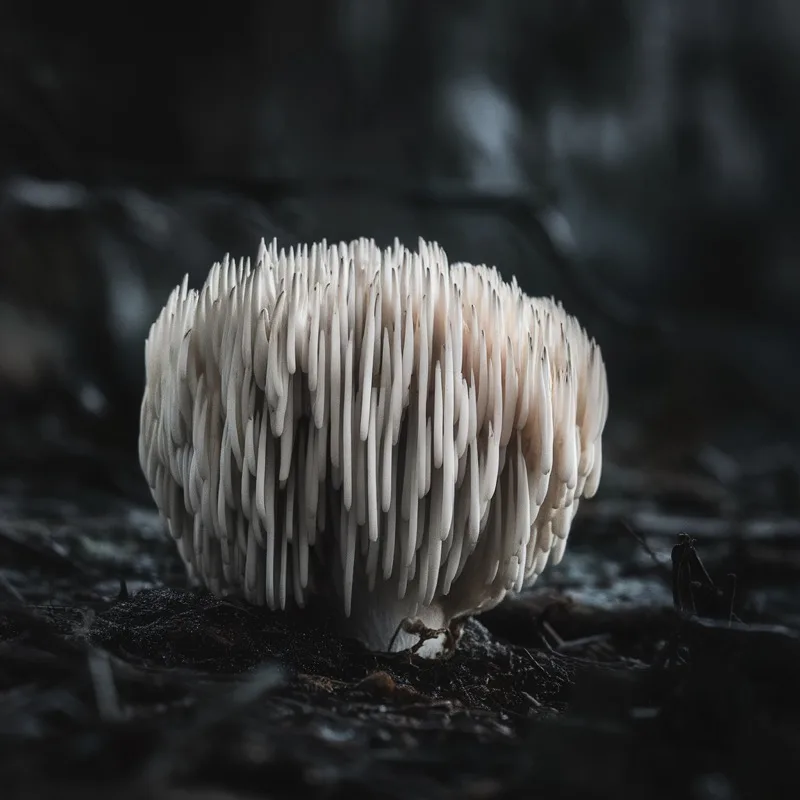
Lion's Mane
Hericium erinaceus
Repairs intestinal barrier integrity and reduces mucosal inflammation. Unique gut-brain axis benefits for stress-related digestive issues.
Best for: Leaky gut & IBS
Learn more →
Chaga
Inonotus obliquus
Ultra-high antioxidant capacity reduces intestinal inflammation. Betulinic acid and melanin support mucosal healing in inflammatory bowel conditions.
Best for: Gut inflammation
Learn more →How to Choose a Gut Health Mushroom Supplement
Not all mushroom supplements are equal when it comes to gut health. Here's what to prioritize:
1. Look for High Beta-Glucan Content
Beta-glucans are the primary prebiotic compounds in mushrooms. Products should disclose beta-glucan percentages — aim for ≥30% beta-glucans for meaningful gut benefits. Brands that don't test or disclose this are likely using mycelium-on-grain fillers with minimal active compounds.
2. Fruiting Body vs. Mycelium
Fruiting body extracts contain significantly higher concentrations of beta-glucans and triterpenes compared to mycelium grown on grain. Mycelium products often contain 50–70% starch from the grain substrate, diluting active compounds. For gut health specifically, fruiting body extracts deliver more prebiotic fiber per serving.
3. Multi-Species Blends Work Best
Different mushroom species offer complementary gut benefits. Turkey Tail provides prebiotic PSP, Lion's Mane repairs the intestinal lining, and Chaga reduces inflammation. A blend covering all three mechanisms will outperform any single species for overall digestive wellness.
4. Third-Party Testing (COA)
Certificate of Analysis (COA) verification ensures the product actually contains what's on the label and is free from heavy metals, pesticides, and microbial contaminants. This is especially important for gut health supplements, as contaminants can further irritate a compromised digestive system.
5. Added Probiotics Are a Bonus
Some mushroom supplements include probiotic strains alongside the mushroom extract. This synbiotic approach (prebiotic + probiotic) can accelerate microbiome improvements. Products like Om Mushroom Hot Chocolate include probiotics specifically for this reason.
Dosage Recommendations
| Mushroom | Daily Dose | When to Take | Notes |
|---|---|---|---|
| Turkey Tail | 1,000–3,000 mg | With meals, 1–2x daily | Hot water extract preferred; look for ≥30% beta-glucans |
| Lion's Mane | 500–2,000 mg | With breakfast or lunch | Dual-extraction (water + alcohol) for full spectrum of compounds |
| Chaga | 500–2,000 mg | With meals | Hot water extraction activates polysaccharides; avoid if on blood thinners |
* Doses refer to extract equivalent. Start with the lower end and increase over 2 weeks. Take with food for best absorption and minimal GI discomfort.
Side Effects & Safety
Mushroom supplements for gut health are generally well-tolerated, but there are important considerations:
- Initial bloating or gas: Common in the first 3–7 days as gut bacteria adjust to increased prebiotic fiber. Start with half the recommended dose to minimize this.
- Blood sugar interactions: Turkey Tail and Chaga may lower blood sugar. If you're diabetic or on glucose-lowering medications, monitor levels closely.
- Blood thinner interactions: Chaga contains compounds that may slow blood clotting. Avoid if on warfarin, heparin, or similar medications without medical supervision.
- Autoimmune conditions: Mushroom beta-glucans stimulate immune activity. If you have an autoimmune condition (Crohn's, UC, lupus), consult your gastroenterologist before starting.
- Oxalates in Chaga: Chaga is high in oxalates. People with kidney stones or kidney disease should avoid high-dose Chaga supplementation.
- Pregnancy & breastfeeding: Insufficient safety data exists. Avoid mushroom supplements during pregnancy and lactation unless approved by your OB-GYN.
Always consult a healthcare professional before starting any supplement regimen, especially if you have existing digestive conditions.
Product Comparison
| Product | Rating | Price | Per Serving | COA | Format |
|---|---|---|---|---|---|
| Auri Super Mushroom Daily Gummies TOP PICK | 8.4/10 | $55 | $1.83 | ✅ | mushroom gummies |
| Plant People Mushroom Gummies | 8.6/10 | $49.99 | $1.67 | ✅ | mushroom gummies |
| Om Mushroom Hot Chocolate Blend | 8.8/10 | $19.99 | $2 | ✅ | mushroom hot chocolate |
| Clevr Blends Chai SuperLatte | 8.8/10 | $29 | $2.07 | ❌ | mushroom hot chocolate |
| Wonderday Mushroom Gummies | 8.4/10 | $42.99 | $1.43 | ✅ | mushroom gummies |
Frequently Asked Questions
Który grzyb jest najlepszy na zdrowie jelit?
Turkey Tail (Trametes versicolor) jest powszechnie uważany za najlepszy grzyb na zdrowie jelit. Zawiera polisacharopeptydy (PSP i PSK), które działają jak prebiotyki, karmiąc korzystne bakterie jelitowe, takie jak Bifidobacterium i Lactobacillus. Badanie z 2014 roku w czasopiśmie Gut Microbes wykazało, że ekstrakt z Turkey Tail znacząco poprawił różnorodność mikrobiomu u ludzi w ciągu 8 tygodni.
Jak długo trwa, zanim suplementy grzybowe poprawią trawienie?
Większość ludzi zauważa poprawę trawienia w ciągu 2–4 tygodni regularnego codziennego stosowania. Początkowe efekty obejmują zmniejszone wzdęcia i bardziej regularne wypróżnienia. Znaczące zmiany mikrobiomu, mierzone analizą kału, pojawiają się zazwyczaj po 6–8 tygodniach. Włókna prebiotyczne jak beta-glukany potrzebują czasu na zmianę populacji bakteryjnych.
Czy suplementy grzybowe mogą powodować problemy trawienne?
Niektórzy ludzie doświadczają łagodnych wzdęć lub gazów w pierwszym tygodniu, gdy bakterie jelitowe dostosowują się do zwiększonego błonnika prebiotycznego. Jest to normalne i zwykle ustępuje w ciągu 3–5 dni. Rozpoczęcie od połowy dawki i stopniowe zwiększanie może zminimalizować dyskomfort. Jeśli objawy utrzymują się ponad dwa tygodnie, przerwij stosowanie i skonsultuj się z lekarzem.
Czy powinienem przyjmować suplementy grzybowe z jedzeniem dla zdrowia jelit?
Tak, przyjmowanie suplementów grzybowych z posiłkami jest idealne dla korzyści jelitowych. Jedzenie stymuluje produkcję enzymów trawiennych, co pomaga rozkładać i wchłaniać beta-glukany i polisacharydy. Przyjmowanie ich z posiłkiem zmniejsza również prawdopodobieństwo dyskomfortu żołądkowego, szczególnie przy rozpoczynaniu nowego suplementu.
Czy suplementy grzybowe są bezpieczne z probiotykami?
Zdecydowanie tak. Suplementy grzybowe i probiotyki się uzupełniają — beta-glukany grzybowe działają jako prebiotyki (pożywienie dla dobrych bakterii), podczas gdy probiotyki dostarczają bakterie bezpośrednio. Przyjmowanie ich razem może skuteczniej zwiększyć różnorodność mikrobiomu niż którekolwiek z osobna. Niektóre produkty, jak Om Mushroom Hot Chocolate, już łączą oba składniki.