
Buyer's Guide · Updated Feb 2026
Best Mushroom Supplements for Skin & Beauty
Tremella holds 500× its weight in water. Chaga's ORAC score exceeds 100,000. Reishi regulates the cortisol that accelerates skin aging. Discover how functional mushrooms are becoming the secret weapon in beauty-from-within supplementation.

Board-Certified Physician · Medical Reviewer · Published February 11, 2026
🏆 Our Top Pick

Auri Super Mushroom Daily Gummies
12-mushroom super blend with Reishi, Chaga & Shiitake — broadest skin-supporting spectrum in a convenient gummy
Top 5 Skin & Beauty Supplements Compared
Auri Super Mushroom Daily Gummies
🏆 Our Top Pick12-mushroom super blend with Reishi, Chaga & Shiitake — broadest skin-supporting spectrum in a convenient gummy

Renude Chagaccino Adaptogen Boost
Best AntioxidantChaga-forward adaptogen drink — massive antioxidant support for skin protection from within

DIRTEA Mushroom Cacao Super Blend
Best PremiumPremium cacao blend with Reishi and adaptogenic mushrooms for stress-related skin aging

Plant People Mushroom Gummies
Best Clean BeautyClean organic formula with skin-supportive mushroom extracts and no artificial ingredients

Wonderday Mushroom Gummies
Runner-UpDaily wellness gummy with broad-spectrum mushrooms for holistic skin and body support
How Mushrooms Improve Your Skin
The beauty industry's shift toward "beauty from within" supplementation has brought functional mushrooms into the spotlight. Unlike topical treatments that address surface symptoms, oral mushroom supplementation targets the biological mechanisms of skin aging — oxidative stress, chronic inflammation, cortisol-driven collagen breakdown, and dehydration at the cellular level.
Hyper-Hydration: Tremella's Superpower
Tremella fuciformis (Snow Fungus) has been used in Chinese beauty traditions for over 2,000 years — legend attributes Yang Guifei's legendary beauty to daily Tremella consumption. Modern research validates the tradition: Tremella produces a unique polysaccharide that holds nearly 500 times its weight in water, compared to hyaluronic acid's 1,000× (but at a significantly smaller molecular size). This smaller molecular weight allows Tremella polysaccharides to penetrate skin layers more effectively when consumed orally, reaching the dermis where hydration matters most. A 2016 study in the International Journal of Biological Macromolecules showed Tremella polysaccharides increased skin moisture content by 22% after 8 weeks of supplementation.
Antioxidant Shield: Chaga's Defense
UV radiation, pollution, and blue light generate reactive oxygen species (ROS) that degrade collagen, elastin, and hyaluronic acid in the skin — a process called "oxidative photoaging." Chaga provides one of nature's most potent antioxidant shields with an ORAC score exceeding 100,000 µmol TE/100g. Its melanin content is particularly relevant to skin health — Chaga melanin has been shown to absorb UV radiation, protect DNA from photodamage, and inhibit the enzyme tyrosinase (responsible for hyperpigmentation and age spots). A 2019 study in Mycobiology demonstrated that Chaga extract reduced UV-B-induced skin damage by 44% in human skin cell cultures.
Anti-Aging via Cortisol Regulation
Chronic stress accelerates skin aging through elevated cortisol. Cortisol breaks down collagen and elastin, impairs skin barrier function, increases transepidermal water loss (TEWL), and triggers inflammatory skin conditions (acne, eczema, psoriasis). Reishi acts as an HPA axis adaptogen, normalizing cortisol rhythms and reducing the stress burden on skin. A 2012 study in the Journal of Ethnopharmacology showed Reishi extract reduced cortisol levels by 35% in chronically stressed subjects. By addressing stress at the hormonal level, Reishi protects skin from the inside out — a benefit no topical cream can replicate.
Collagen Protection & Production
While mushrooms don't contain collagen themselves, they protect and promote its production through multiple pathways. Chaga's antioxidants inhibit matrix metalloproteinases (MMPs) — the enzymes that break down collagen in the skin. Tremella's polysaccharides stimulate fibroblast proliferation, the cells responsible for producing collagen and elastin. Reishi's anti-inflammatory properties reduce the chronic low-grade inflammation (inflammaging) that accelerates collagen degradation after age 30. Research in Food & Function (2020) found that a combination of medicinal mushroom polysaccharides increased Type I collagen synthesis by 31% in dermal fibroblast cultures.
Gut-Skin Axis
The gut-skin axis is one of the most exciting areas of dermatological research. Gut dysbiosis is linked to acne, rosacea, eczema, and psoriasis through immune dysregulation and increased intestinal permeability ("leaky gut") that allows inflammatory endotoxins to reach the skin. Mushroom beta-glucans act as prebiotics, supporting microbiome diversity and strengthening the intestinal barrier. By improving gut health, mushroom supplements address a root cause of many inflammatory skin conditions — not just the symptoms.
Brightening & Even Skin Tone
Hyperpigmentation, age spots, and uneven skin tone result from excess melanin production triggered by UV exposure, inflammation, and hormonal changes. Several mushroom species contain natural tyrosinase inhibitors — compounds that slow melanin production. Kojic acid, one of the most widely used brightening ingredients in skincare, was originally isolated from Aspergillus oryzae (a fungal species). Tremella and Chaga both demonstrate tyrosinase-inhibiting activity in vitro, suggesting oral supplementation may gradually improve skin tone and reduce dark spots.
Species Breakdown
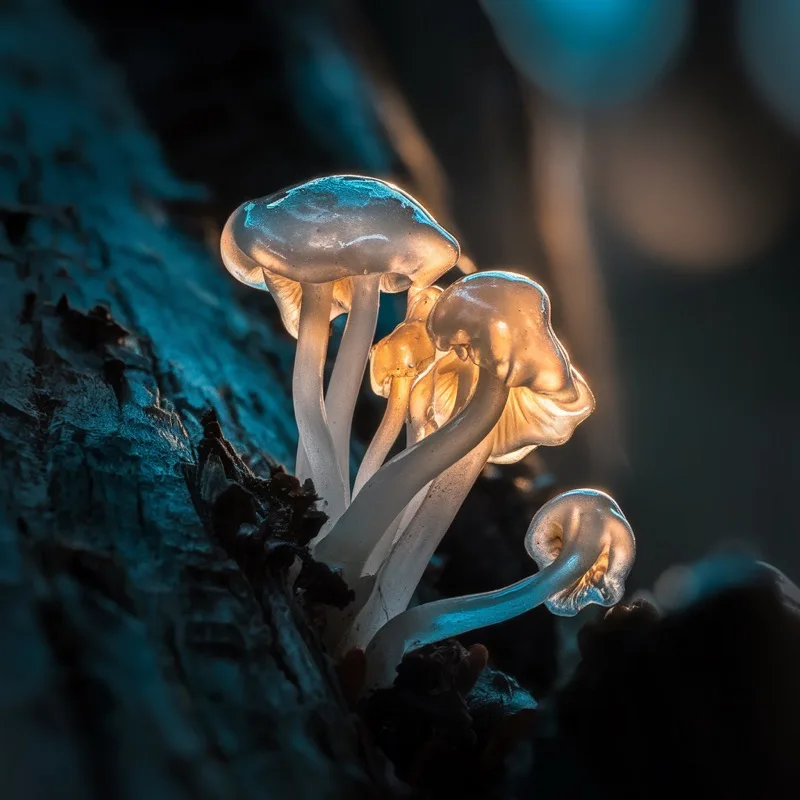
Tremella
Tremella fuciformis (Snow Fungus)
Nature's hyaluronic acid. Holds 500× its weight in water with smaller molecular size for superior skin penetration. Stimulates fibroblast proliferation for collagen production.
Best for: Deep hydration & plumping
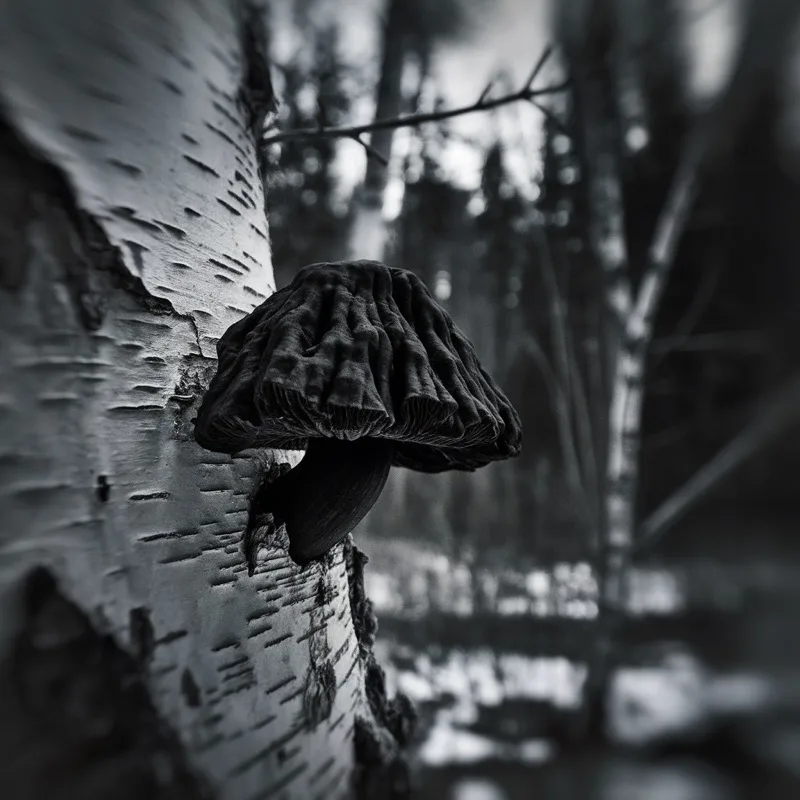
Chaga
Inonotus obliquus
Highest ORAC score in nature. Melanin content absorbs UV, protects DNA, and inhibits tyrosinase. Prevents collagen breakdown by inhibiting MMP enzymes.
Best for: UV protection & anti-aging
Learn more →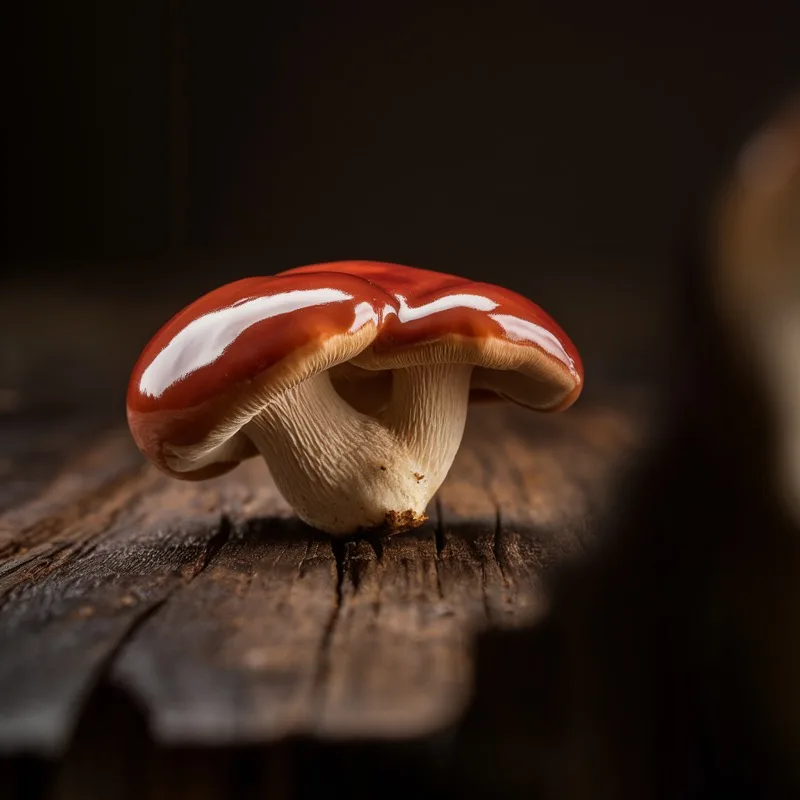
Reishi
Ganoderma lucidum
Regulates cortisol to prevent stress-driven collagen breakdown. Anti-inflammatory triterpenes reduce skin redness and calm reactive skin conditions.
Best for: Stress-related skin aging
Learn more →How to Choose a Skin Mushroom Supplement
1. Match the Mushroom to Your Skin Concern
Dry, dehydrated skin? Tremella is your priority — its water-holding polysaccharides provide systemic hydration. Premature aging, sun damage, dark spots? Chaga's antioxidant and melanin-regulating properties are most relevant. Stress-related breakouts or reactive skin? Reishi's cortisol regulation addresses the hormonal root cause. For comprehensive anti-aging, look for products containing all three.
2. Oral Supplements Over Topicals
For systemic skin benefits, oral supplementation is more effective than topical mushroom-infused skincare (though combining both is ideal). Oral supplements deliver active compounds through the bloodstream to the dermis and support gut health — a key factor in skin clarity that topicals can't address.
3. Patience Is Key
Skin cell turnover takes 28 days. Collagen remodeling takes 3–6 months. Set realistic expectations: mushroom supplements are a long-game investment in skin health, not an overnight fix. Commit to at least 8–12 weeks before evaluating results.
4. Polysaccharide Content Matters
For skin hydration specifically, high polysaccharide content is essential. Look for products with ≥30% polysaccharides (including beta-glucans). Fruiting body extracts consistently outperform mycelium-on-grain products in polysaccharide concentration.
5. Clean Ingredients for Clean Skin
If your goal is skin health, avoid mushroom supplements with artificial colors, flavors, or excessive sugar — these can worsen acne and inflammation. Choose organic, third-party tested products with minimal additives.
Dosage Recommendations
| Mushroom | Daily Dose | When to Take | Notes |
|---|---|---|---|
| Tremella | 1,000–3,000 mg | Morning, with water | Hydrate well throughout the day to maximize water-retention benefits |
| Chaga | 500–2,000 mg | With meals | Hot water extract; avoid if on blood thinners or with kidney issues |
| Reishi | 1,000–3,000 mg | Evening | Dual-extraction for both triterpenes (anti-inflammatory) and polysaccharides |
* Allow 8–12 weeks for visible skin improvements. Take photos in consistent lighting weekly to track progress objectively.
Side Effects & Safety
Mushroom supplements for skin are generally very safe, with a few considerations:
- Initial purging: Some people experience a brief period of increased breakouts during the first 1–2 weeks as gut health improvements and detoxification processes begin. This is temporary and typically resolves.
- Chaga oxalates: High-dose Chaga can increase oxalate load, which is a concern for people prone to kidney stones. Stay within recommended doses and ensure adequate hydration.
- Blood thinner interactions: Both Chaga and Reishi may have anticoagulant effects. Consult your doctor if on blood-thinning medications.
- Autoimmune skin conditions: If you have autoimmune-mediated skin conditions (psoriasis, lupus-related skin issues), consult your dermatologist before starting. Mushroom beta-glucans modulate immune activity, which could theoretically flare certain conditions.
- Pregnancy: Avoid mushroom supplements during pregnancy and breastfeeding due to insufficient safety data.
- Allergies: Mushroom allergies, while rare, do exist. Start with a small dose and monitor for any reactions (rash, itching, swelling).
Product Comparison
| Product | Rating | Price | Per Serving | COA | Format |
|---|---|---|---|---|---|
| Auri Super Mushroom Daily Gummies TOP PICK | 8.4/10 | $55 | $1.83 | ✅ | mushroom gummies |
| Renude Chagaccino Adaptogen Boost | 9.5/10 | $49.99 | $1.66 | ❌ | mushroom hot chocolate |
| DIRTEA Mushroom Cacao Super Blend | 9.2/10 | $35 | $1.17 | ❌ | mushroom hot chocolate |
| Plant People Mushroom Gummies | 8.6/10 | $49.99 | $1.67 | ✅ | mushroom gummies |
| Wonderday Mushroom Gummies | 8.4/10 | $42.99 | $1.43 | ✅ | mushroom gummies |
Frequently Asked Questions
Który grzyb jest najlepszy na skórę?
Tremella fuciformis (grzyb śnieżny) jest uważana za najlepszy grzyb na zdrowie skóry. Wytwarza naturalny polisacharyd, który utrzymuje prawie 500 razy swoją wagę w wodzie — przewyższając kwas hialuronowy w retencji wilgoci. Mniejszy rozmiar cząsteczek pozwala na lepszą penetrację skóry przy aplikacji miejscowej, a suplementacja doustna wspiera nawilżenie systemowe. Chaga i Reishi są również doskonałe dla skóry dzięki właściwościom antyoksydacyjnym i przeciwzapalnym.
Czy suplementy grzybowe mogą zastąpić suplementy kolagenowe?
Pełnią role komplementarne, a nie identyczne. Suplementy grzybowe nie zawierają bezpośrednio kolagenu, ale wspierają produkcję kolagenu przez wiele mechanizmów: ochronę antyoksydacyjną przed enzymami kolagenazy, hamowanie tyrozynazy dla równomiernego kolorytu skóry i efekty przeciwzapalne zapobiegające rozpadowi kolagenu. Dla maksymalnych korzyści anti-aging łączenie suplementów grzybowych z peptydami kolagenowymi obejmuje zarówno wsparcie produkcji, jak i bezpośrednie dostarczanie kolagenu.
Jak długo czeka się na poprawę skóry po suplementach grzybowych?
Poprawa nawilżenia (pełniejsza, bardziej promienna skóra) może pojawić się w ciągu 2–4 tygodni, szczególnie z produktami zawierającymi Tremella. Korzyści związane z antyoksydantami (bardziej równomierny koloryt skóry, mniej zaczerwienienia) wymagają zazwyczaj 4–8 tygodni. Znaczące efekty anti-aging (redukcja drobnych zmarszczek, poprawa elastyczności) wymagają 8–12 tygodni codziennego stosowania. Odnowa komórek skóry trwa około 28 dni, więc daj co najmniej jeden pełny cykl przed oceną wyników.
Czy powinienem przyjmować suplementy grzybowe doustnie czy stosować je miejscowo na skórę?
Oba podejścia działają, ale suplementacja doustna zapewnia korzyści systemowe, których aplikacja miejscowa nie może dać — w tym wsparcie zdrowia jelit (co odbija się na skórze), wewnętrzna ochrona antyoksydacyjna i regulacja stresu hormonalnego. Najskuteczniejsze podejście to suplementacja doustna dla fundamentalnego zdrowia skóry połączona z miejscową pielęgnacją z grzybami do celowanego leczenia. Suplementy doustne adresują przyczyny starzenia skóry; preparaty miejscowe adresują objawy.
Czy suplementy grzybowe są bezpieczne dla skóry wrażliwej lub trądzikowej?
Tak. Doustne suplementy grzybowe nie kontaktują się bezpośrednio ze skórą, więc są bezpieczne dla wszystkich typów skóry. W rzeczywistości ich właściwości przeciwzapalne (szczególnie Reishi i Chaga) mogą faktycznie pomóc zmniejszyć stan zapalny trądziku i zaczerwienienie. Efekty Reishi obniżające kortyzol mogą również poprawić trądzik hormonalny poprzez zmniejszenie produkcji androgenów związanej ze stresem. Jeśli masz trądzik grzybowy (Malassezia folliculitis), najpierw skonsultuj się z dermatologiem, choć doustne suplementy grzybowe są generalnie niezwiązane z grzybowymi chorobami skóry.