
Buyer's Guide · Updated Feb 2026
Best Mushroom Supplements for Anxiety & Stress
Chronic stress dysregulates your HPA axis, floods your system with cortisol, and leaves you wired but exhausted. Reishi, Lion's Mane, and Cordyceps offer a natural, non-habit-forming path to calm — backed by centuries of traditional use and growing clinical evidence.

Board-Certified Physician · Medical Reviewer · Published February 11, 2026
🏆 Our Top Pick

Wondercalm Mushroom Gummies
Purpose-built calming formula with Reishi + adaptogenic blend for daily stress relief
Top 5 Anxiety & Stress Supplements Compared
Wondercalm Mushroom Gummies
🏆 Our Top PickPurpose-built calming formula with Reishi + adaptogenic blend for daily stress relief

Four Sigmatic Calm Mylk Hot Cocoa
Best RitualReishi-dominant hot cocoa — ritual-based relaxation with clinical-grade mushroom extract

Mood Gummies
Best for MoodMood-focused formula combining functional mushrooms with adaptogenic herbs

Auri Super Mushroom Daily Gummies
Most Complete12-mushroom super blend with Reishi, Lion's Mane & Cordyceps for comprehensive adaptogenic support

Clevr Blends Chai SuperLatte
Best LatteAshwagandha, Reishi & probiotics in a delicious chai — daily stress management made easy
How Mushrooms Reduce Anxiety & Stress
Anxiety disorders affect 284 million people globally, making them the most prevalent mental health condition worldwide. While SSRIs and benzodiazepines remain the pharmacological standard, growing research suggests that adaptogenic mushrooms can meaningfully reduce anxiety through multiple complementary mechanisms — without the side effects and dependency risks of conventional medications.
HPA Axis Regulation
The hypothalamic-pituitary-adrenal (HPA) axis is your body's central stress response system. Under chronic stress, the HPA axis becomes dysregulated — cortisol stays elevated even when no threat exists, leading to anxiety, insomnia, and cognitive impairment. Reishi acts as a true adaptogen, modulating the HPA axis bidirectionally: it reduces cortisol output during periods of chronic stress while supporting healthy cortisol production during acute challenges. A 2012 study in the Journal of Ethnopharmacology demonstrated that Reishi's triterpenes reduced corticosterone (the rodent equivalent of cortisol) by 35% in chronically stressed animals.
GABAergic Modulation
GABA (gamma-aminobutyric acid) is the brain's primary inhibitory neurotransmitter — it's the "brake pedal" for neural activity. When GABA activity is low, neurons fire excessively, producing feelings of anxiety, restlessness, and hypervigilance. Reishi's ganoderic acids bind to GABA-A receptor sites, enhancing GABAergic transmission without the full agonist effects of benzodiazepines. This produces anxiolytic effects without sedation, cognitive impairment, or dependency. Research published in Pharmacology, Biochemistry, and Behavior (2015) showed Reishi extract reduced anxiety-like behavior in elevated plus-maze tests by 48%, with no motor impairment.
Neuroinflammation & NGF
Emerging research links chronic neuroinflammation to anxiety and depression. Pro-inflammatory cytokines (TNF-α, IL-6, IL-1β) in the brain alter neurotransmitter metabolism and impair neuroplasticity. Lion's Mane addresses this through two mechanisms: (1) its polysaccharides reduce microglial activation and neuroinflammatory markers, and (2) its hericenones and erinacines stimulate Nerve Growth Factor (NGF) production, supporting neuronal repair and plasticity. A 2010 study in Biomedical Research found that Lion's Mane supplementation (2g/day for 4 weeks) significantly reduced anxiety and depression scores in menopausal women, with effects persisting even after washout.
Mitochondrial Energy & Cordyceps
Anxiety isn't just a brain problem — it's an energy problem. Chronic stress depletes cellular energy (ATP), leaving the brain and body in a state of energetic deficit that perpetuates the stress response. Cordyceps enhances mitochondrial ATP production through its unique compound cordycepin (3'-deoxyadenosine), which upregulates mitochondrial biogenesis and oxygen utilization. By restoring cellular energy, Cordyceps helps break the fatigue-anxiety cycle where exhaustion triggers stress responses, which causes more exhaustion. A 2014 study in Evidence-Based Complementary and Alternative Medicine showed Cordyceps supplementation improved stress resilience and reduced fatigue-related anxiety by 27%.
Serotonin & Gut-Brain Axis
Approximately 95% of serotonin is produced in the gut, and gut dysbiosis is increasingly linked to anxiety disorders. Mushroom beta-glucans act as prebiotics that support a healthy gut microbiome, indirectly supporting serotonin production. Additionally, mushroom polysaccharides may influence tryptophan metabolism — the precursor pathway to serotonin. This gut-brain connection explains why some people report mood improvements from mushroom supplements before any direct neurological effects would be expected.
Adaptogenic Synergy
The most effective approach to mushroom-based anxiety management combines multiple species. Reishi provides immediate GABAergic calming and long-term HPA axis regulation. Lion's Mane addresses neuroinflammation and supports cognitive function (reducing anxiety about brain fog). Cordyceps restores energy and physical resilience. Together, they address anxiety from multiple angles — calming the nervous system, reducing inflammation, restoring energy, and supporting neuroplasticity. This multi-target approach mirrors the "network pharmacology" model increasingly favored by integrative medicine researchers.
Species Breakdown
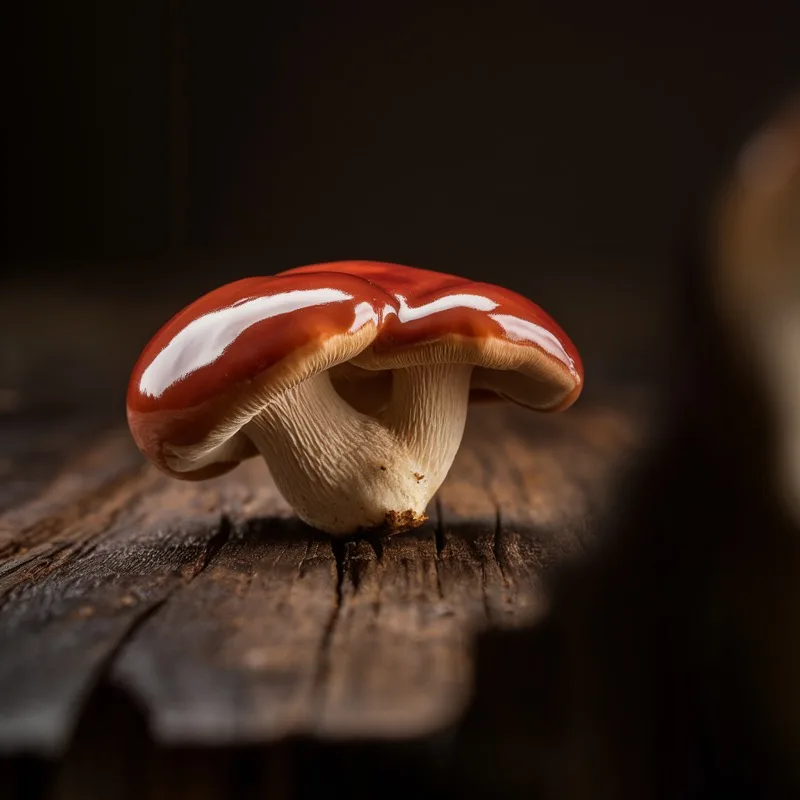
Reishi
Ganoderma lucidum
The "Mushroom of Immortality." Primary anxiolytic mushroom — triterpenes modulate GABA receptors and regulate the HPA axis for deep, non-sedating calm.
Best for: Daily stress & anxiety relief
Learn more →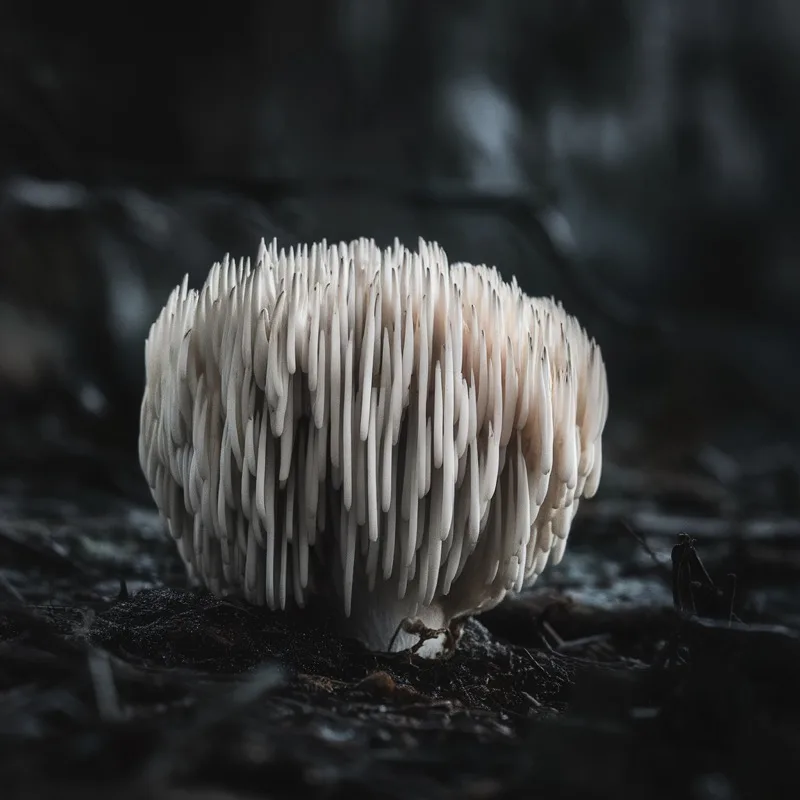
Lion's Mane
Hericium erinaceus
Reduces neuroinflammation and stimulates NGF. Particularly effective for anxiety paired with brain fog, poor concentration, or depressive symptoms.
Best for: Anxious brain fog
Learn more →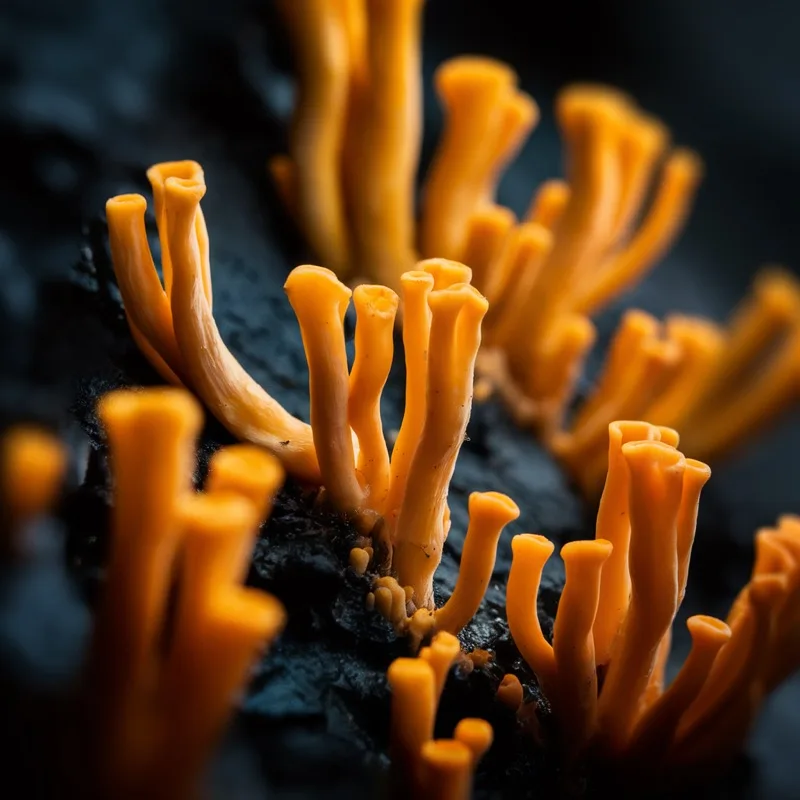
Cordyceps
Cordyceps militaris
Enhances mitochondrial ATP production, breaking the fatigue-anxiety cycle. Restores physical and mental energy depleted by chronic stress.
Best for: Stress-fatigue cycle
Learn more →How to Choose an Anxiety Mushroom Supplement
Choosing the right mushroom supplement for anxiety depends on your specific symptoms and preferences:
1. Match the Mushroom to Your Anxiety Type
Generalized anxiety with racing thoughts? Reishi is your best bet — its GABAergic effects calm overactive neural circuits. Anxiety with brain fog and poor focus? Lion's Mane addresses both cognitive impairment and mood. Burnout-style anxiety with exhaustion? Cordyceps restores depleted energy reserves. For comprehensive coverage, choose a multi-species blend.
2. Prioritize Triterpene Content for Reishi
Reishi's anxiolytic effects come primarily from triterpenes (ganoderic acids), not beta-glucans. Look for products that specify ≥4% triterpene content or use dual-extraction methods (water + alcohol) to capture both polysaccharides and triterpenes. Water-only extracts miss most of the anxiety-relevant compounds.
3. Choose Calming Formats
For anxiety, the delivery format matters more than for other goals. Hot drinks (mushroom cocoa, lattes) provide a built-in calming ritual — the warm beverage, the preparation, the pause. Gummies offer convenience for daily use. Capsules are efficient but miss the ritualistic benefit. Consider your lifestyle and when anxiety peaks.
4. Avoid Stimulant Additives
Some mushroom products contain caffeine, guarana, or other stimulants that can worsen anxiety. Check labels carefully — mushroom coffee blends in particular may contain significant caffeine. For anxiety-specific supplementation, choose caffeine-free formulas.
5. COA Verification Is Essential
Contaminated or mislabeled supplements can worsen anxiety (heavy metals, in particular, are neurotoxic). Only purchase from brands that provide third-party Certificates of Analysis testing for potency, heavy metals, pesticides, and microbial contamination.
Dosage Recommendations
| Mushroom | Daily Dose | When to Take | Notes |
|---|---|---|---|
| Reishi | 1,000–3,000 mg | Evening or when anxiety peaks | Dual-extraction for triterpenes; fruiting body preferred |
| Lion's Mane | 500–2,000 mg | Morning or midday | Best for anxiety + cognitive symptoms; non-sedating |
| Cordyceps | 500–1,500 mg | Morning | Energizing — take early; avoid evening dosing |
* Doses refer to extract equivalent. Start low and increase over 2 weeks. For acute anxiety, Reishi can be taken as needed in addition to daily dosing.
Side Effects & Safety
Adaptogenic mushrooms have excellent safety profiles, but consider the following:
- Drug interactions: Reishi may potentiate the effects of blood thinners (warfarin, aspirin) and blood pressure medications. If you're on psychiatric medications (SSRIs, MAOIs, benzodiazepines), consult your psychiatrist before combining with mushroom supplements.
- Mild drowsiness: Reishi can cause mild drowsiness, especially at higher doses. This is generally desirable for anxiety but may affect daytime function. Adjust timing accordingly.
- Digestive discomfort: Some people experience mild GI upset during the first week. Taking supplements with food usually resolves this.
- Cordyceps timing: Cordyceps is energizing and may worsen anxiety if taken too late in the day. Stick to morning dosing.
- Not for severe anxiety disorders: Mushroom supplements are best for mild-to-moderate anxiety and daily stress management. Severe anxiety disorders, panic disorder, or PTSD require professional treatment.
- Pregnancy & breastfeeding: Avoid during pregnancy and lactation due to insufficient safety data.
This guide is for informational purposes only and does not constitute medical advice. Always consult a healthcare professional for anxiety treatment.
Product Comparison
| Product | Rating | Price | Per Serving | COA | Format |
|---|---|---|---|---|---|
| Wondercalm Mushroom Gummies TOP PICK | 8.5/10 | $42.99 | $1.43 | ✅ | mushroom gummies |
| Four Sigmatic Calm Mylk Hot Cocoa | 8.6/10 | $30 | $1 | ✅ | mushroom hot chocolate |
| Mood Gummies | 8.5/10 | $39.99 | $1.33 | ✅ | mood gummies |
| Auri Super Mushroom Daily Gummies | 8.4/10 | $55 | $1.83 | ✅ | mushroom gummies |
| Clevr Blends Chai SuperLatte | 8.8/10 | $29 | $2.07 | ❌ | mushroom hot chocolate |
Frequently Asked Questions
Który grzyb jest najlepszy na lęk?
Reishi (Ganoderma lucidum) jest najskuteczniejszym grzybem na lęk. Jego triterpeny modulują układ GABAergiczny i zmniejszają wydzielanie kortyzolu, wywołując mierzalny efekt uspokajający. Badanie z 2012 roku w Journal of Ethnopharmacology wykazało, że ekstrakt z Reishi zmniejszył zachowania lękowe w modelach zwierzęcych o 40–50%, porównywalnie z niskimi dawkami benzodiazepin, ale bez sedacji i ryzyka uzależnienia.
Jak długo trwa, zanim suplementy grzybowe zmniejszą lęk?
Niektórzy ludzie zauważają subtelny efekt uspokajający w ciągu pierwszego tygodnia, szczególnie przy Reishi. Jednak pełne efekty adaptogeniczne — w tym normalizacja rytmów kortyzolu, poprawa odporności na stres i zmniejszenie bazowego poziomu lęku — rozwijają się zazwyczaj przez 4–8 tygodni codziennego stosowania. W przeciwieństwie do leków, adaptogeny grzybowe budują kumulatywne korzyści w czasie.
Czy suplementy grzybowe mogą zastąpić leki przeciwlękowe?
Suplementy grzybowe nie powinny zastępować przepisanych leków przeciwlękowych bez nadzoru medycznego. Działają przez inne mechanizmy (modulacja adaptogeniczna vs. bezpośredni agonizm receptorowy) i najlepiej sprawdzają się przy łagodnym do umiarkowanego stresie i lęku sytuacyjnym. Jeśli przyjmujesz SSRI, benzodiazepiny lub inne leki anksjolityczne, skonsultuj się z psychiatrą przed dodaniem suplementów grzybowych.
Czy bezpieczne jest codzienne przyjmowanie Reishi na lęk?
Tak. Reishi jest stosowane codziennie w tradycyjnej medycynie chińskiej od ponad 2000 lat i ma doskonały współczesny profil bezpieczeństwa w dawkach 1000–3000 mg dziennie. Nie uzależnia i nie wywołuje tolerancji. Może jednak wchodzić w interakcje z lekami rozrzedzającymi krew i immunosupresantami — skonsultuj się z lekarzem, jeśli przyjmujesz te leki.
Czy Lion's Mane może pomóc na lęk?
Tak. Choć Lion's Mane jest znany głównie z korzyści poznawczych, badanie z 2010 roku w Biomedical Research wykazało, że znacząco zmniejszył wyniki lęku i depresji u kobiet menopauzalnych po 4 tygodniach. Jego mechanizm obejmuje stymulację NGF i redukcję neurozapalenia — oba przyczyniają się do regulacji nastroju. Lion's Mane jest szczególnie skuteczny przy lęku z towarzyszącą mgłą mózgową lub trudnościami z koncentracją.
Browse Supplements by Species
Compare the best products for each anxiety-supporting mushroom species.