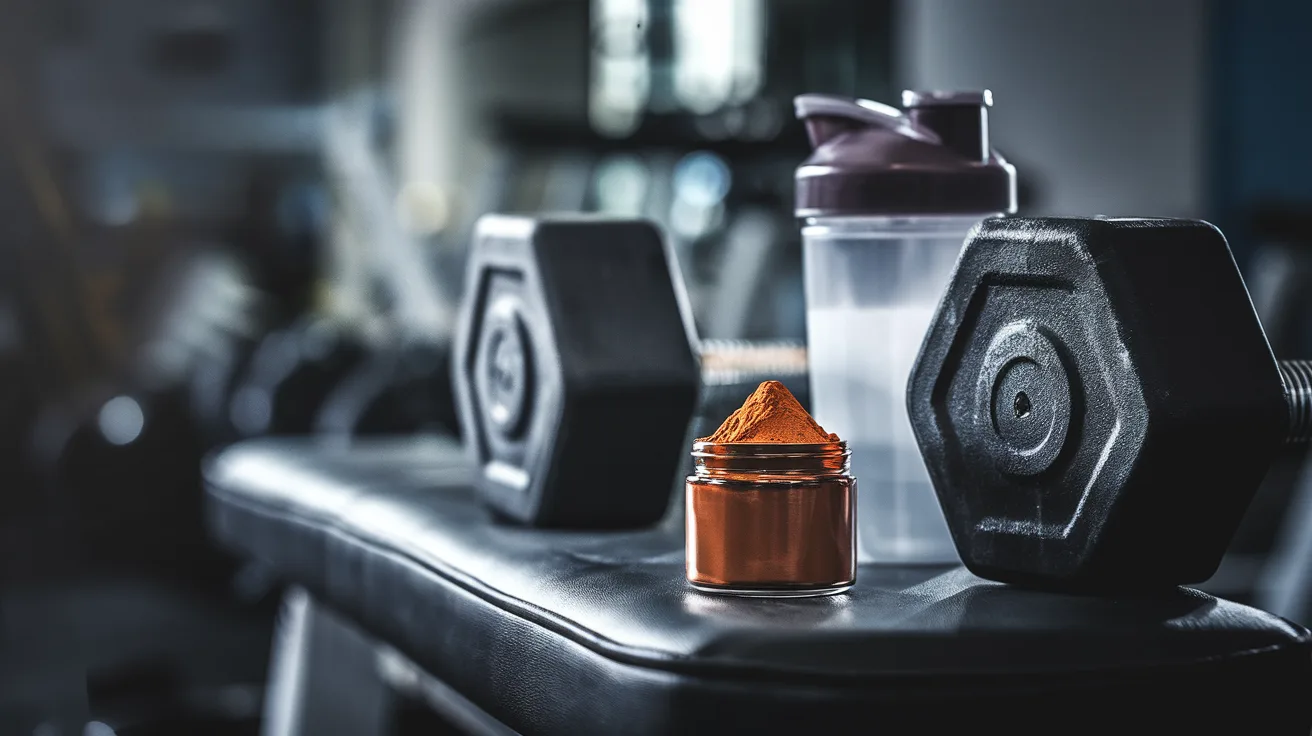

Cordyceps has a reputation problem — and a marketing problem. The reputation: it's the "zombie fungus" that hijacks caterpillar brains in the Himalayas. The marketing: supplement companies claiming it'll turn you into a superhuman endurance athlete overnight. The reality, as usual, is more interesting and more nuanced than either story.
Cordyceps supplements — primarily Cordyceps militaris and the cultured mycelium of Cordyceps sinensis (Cs-4) — are among the fastest-growing segments in the functional mushroom market, with sales up 8.9% year-over-year in 2025. Athletes, biohackers, and regular people looking for a natural energy boost are all reaching for it. But does it actually work?
Let's look at what the science says — not the Instagram ads.
01What Is Cordyceps, Exactly?
The genus Cordyceps contains over 400 species of parasitic fungi, most of which infect insects. The two species relevant to human supplementation are very different:
- Cordyceps sinensis — the original "caterpillar fungus" that grows wild on ghost moth larvae at 3,000-5,000 meters altitude on the Tibetan Plateau. Wild specimens sell for $20,000-$50,000 per kilogram. You are not getting this in your $30 supplement bottle. What you might get is Cs-4, a fermented mycelium culture derived from a C. sinensis isolate, which has been used in Chinese clinical trials since the 1990s.
- Cordyceps militaris — a related species that can be commercially cultivated on grain or insect-based substrates. This is what most modern cordyceps supplements contain, and it actually produces higher concentrations of cordycepin than wild C. sinensis. It's the species with the most recent and relevant research.
02How Cordyceps Affects Energy Production
Before diving into the clinical trials, it helps to understand why cordyceps might improve physical performance. The mechanisms aren't magic — they're biochemistry:
1. ATP Production and Oxygen Utilization
Multiple animal studies have demonstrated that cordyceps supplementation increases ATP (adenosine triphosphate) production in cells — ATP being the fundamental energy currency of every cell in your body. A 2007 study in the Journal of Alternative and Complementary Medicine showed that Cs-4 supplementation improved the ATP/inorganic phosphate ratio in the liver by 55% in mice, suggesting more efficient energy metabolism.
Cordyceps also appears to improve how efficiently your body uses oxygen. This is critical for endurance performance. When your muscles can extract and use more oxygen from each breath, you can sustain higher intensities before hitting your anaerobic threshold.
2. Blood Flow and Vasodilation
Adenosine — which cordycepin mimics — is a potent vasodilator. Cordyceps supplementation has been shown to increase nitric oxide production and improve blood flow in animal models. Better blood flow means more oxygen and nutrients reaching working muscles, and faster clearance of metabolic waste products like lactate.
3. Lactate Clearance
One of the limiting factors in high-intensity exercise is lactate accumulation. When lactate builds up faster than your body can clear it, fatigue sets in rapidly. Research suggests cordyceps may enhance lactate clearance by improving blood flow to the liver (where lactate is metabolized) and to non-exercising skeletal muscle (which can oxidize lactate for fuel).
4. Antioxidant Defense
Intense exercise generates massive amounts of reactive oxygen species (ROS). While some ROS signaling is necessary for training adaptation, excessive oxidative stress causes fatigue and delays recovery. Cordyceps contains potent antioxidant compounds including superoxide dismutase (SOD), glutathione peroxidase, and various polysaccharides that help buffer this oxidative load.
5. Stem Cell Recruitment
A fascinating 2024 study published in Food & Function (Royal Society of Chemistry) found that pre-exercise C. sinensis supplementation accelerated CD34+ stem cell recruitment and Pax7+ satellite cell expansion in human skeletal muscle after high-intensity interval exercise. In plain English: cordyceps may help your muscles repair and rebuild faster after hard workouts. This was a randomized, double-blind, placebo-controlled crossover study with 14 young adults — small but well-designed.
03The Clinical Trials: What Actually Happened
Here's where things get interesting — and where the nuance matters. The research on cordyceps and exercise performance is a mixed bag, but the pattern is telling.
Positive Results: Untrained and Older Adults
The Hirsch 2017 Study (Key Paper)
A randomized, double-blind, placebo-controlled study published in the Journal of Dietary Supplements tested Cordyceps militaris in 28 healthy adults during high-intensity cycling. After just one week, the cordyceps group showed improved ventilatory threshold (the point at which breathing becomes labored during increasing exercise intensity). After three weeks, the cordyceps group showed significantly improved VO2 max — the gold standard measure of aerobic fitness — compared to placebo.
This is one of the cleanest studies in the literature and is frequently cited because it used C. militaris fruiting body extract (the same form most consumers buy) and saw meaningful improvements in a relatively short timeframe.
The Cs-4 Study in Older Adults
A double-blind, placebo-controlled trial tested Cs-4 (fermented C. sinensis mycelium) in 20 healthy adults aged 50-75. After 12 weeks of supplementation at 333mg three times daily, the cordyceps group showed a 7% improvement in VO2 max and a 11% increase in metabolic threshold compared to placebo. The placebo group showed no improvement. For older adults, a 7% VO2 max increase is clinically significant — it translates to meaningful improvements in daily functional capacity.
The 2024 Oxygen Saturation Study
A 2024 study in the Asian Journal of Biological Sciences found that C. militaris supplementation improved oxygen saturation levels and exercise performance metrics in athletes, further supporting the oxygen utilization mechanism.
Null Results: Elite and Trained Athletes
The Parcell Study
A study testing Cs-4 supplementation in trained competitive cyclists found no significant improvements in VO2 max or time trial performance after 5 weeks. The likely explanation: elite athletes are already operating near their physiological ceiling. Their oxygen utilization systems are highly optimized, leaving less room for a supplement to make a measurable difference.
Other Negative Findings
Several studies in trained runners and cyclists have similarly found no ergogenic benefit. This is actually consistent with how most natural performance enhancers work — the further you are from your genetic ceiling, the more room there is for improvement.
04Cordyceps vs. Traditional Pre-Workouts
A lot of people discover cordyceps while looking for alternatives to caffeine-heavy pre-workout supplements. Here's how they compare:
| Factor | Cordyceps | Caffeine Pre-Workout |
|---|---|---|
| Energy mechanism | Improved oxygen utilization + ATP production | CNS stimulation + adenosine receptor blocking |
| Onset | Cumulative (1-3 weeks) | Acute (30-60 minutes) |
| Crash | None | Common |
| Tolerance buildup | Not reported | Significant over time |
| Sleep disruption | None (may improve sleep) | Major concern with PM use |
| Best for | Endurance, daily energy, recovery | Acute high-intensity performance |
| Evidence quality | Moderate (growing) | Strong (decades of research) |
The key difference: caffeine gives you a temporary burst by blocking the "tired" signal (adenosine). Cordyceps works at a deeper level, improving your body's actual capacity to produce and use energy. They work through completely different mechanisms, which means they can be stacked effectively. Many athletes take cordyceps daily as a baseline support and use caffeine strategically for competition or key training sessions.
05How to Dose Cordyceps for Performance
Dosing matters more than most people realize. Under-dosing is the most common reason people don't see results.
Recommended Protocol
- Form: Cordyceps militaris fruiting body extract (hot water or dual extraction)
- Daily dose: 1,000-3,000mg per day
- Loading phase: Start at 2,000-3,000mg for the first 2-3 weeks
- Maintenance: 1,000-2,000mg daily
- Timing: Morning or 30-60 minutes before exercise. Avoid late evening if you're stimulant-sensitive (though most people report no sleep disruption).
- Duration: Commit to at least 3-4 weeks before evaluating results. Some studies show continued improvement through 12 weeks.
What to Look for on the Label
- Cordycepin content — the primary bioactive. Quality extracts will list this. Look for ≥0.3% cordycepin.
- Adenosine content — the secondary bioactive. Good products list this too.
- Beta-glucans ≥ 25% — confirms genuine mushroom content, not filler.
- "Fruiting body" on the label — not "myceliated grain" or "mycelial biomass."
- Third-party COA — especially important for heavy metals, as cordyceps can accumulate them from substrates.
06Stacking Cordyceps with Other Supplements
Cordyceps doesn't work in isolation, and strategic stacking can amplify its effects:
Cordyceps + Lion's Mane (The Focus-Energy Stack)
Lion's mane for cognitive clarity and nerve growth factor (NGF) support, cordyceps for physical energy and endurance. This is arguably the most popular functional mushroom stack, and it makes biological sense — different mechanisms, complementary benefits. Ideal for people who want both mental sharpness and physical energy without caffeine jitters.
Cordyceps + Rhodiola Rosea (The Endurance Stack)
Rhodiola is an adaptogenic herb with strong evidence for reducing perceived exertion during exercise. Combined with cordyceps' oxygen utilization benefits, this stack targets endurance from two angles: your body works more efficiently (cordyceps) and your brain perceives the effort as less intense (rhodiola).
Cordyceps + Beetroot Juice (The VO2 Max Stack)
Beetroot juice increases nitric oxide availability, which improves blood flow and oxygen delivery. Cordyceps improves how efficiently cells use that oxygen. Together, they address both sides of the oxygen equation. Some endurance athletes swear by this combination for race day.
Cordyceps + Creatine (The Power-Endurance Stack)
Creatine enhances short-burst power (phosphocreatine system). Cordyceps supports aerobic energy production. Together, they cover both energy systems — useful for sports that demand both power and endurance, like CrossFit, MMA, or football.
07Who Benefits Most from Cordyceps?
Based on the available research, the people most likely to notice benefits are:
- Recreational exercisers looking to improve endurance and reduce fatigue
- Adults over 50 seeking to maintain or improve aerobic capacity
- People transitioning from sedentary to active — the performance gains are most pronounced when starting from a lower baseline
- Anyone seeking a non-stimulant energy boost — cordyceps provides sustained energy without the crash or sleep disruption of caffeine
- Athletes focused on recovery — even if the direct performance benefits are modest for trained individuals, the anti-inflammatory and stem cell recruitment effects may accelerate recovery between sessions
Who's less likely to notice a difference? Highly trained endurance athletes already operating near their VO2 max ceiling. That doesn't mean cordyceps is useless for this group — the recovery benefits still apply — but the performance gains will be smaller and harder to detect without formal testing.
08The Bottom Line
Cordyceps is not a magic performance pill. But it's also not just hype. The research shows a genuine, if modest, ability to improve oxygen utilization, endurance capacity, and recovery — particularly for people who aren't already elite athletes. A 4-7% improvement in VO2 max over 4-12 weeks is meaningful. That's the difference between struggling on a hilly hike and enjoying it.
The key is choosing the right product (C. militaris fruiting body extract with verified cordycepin content), dosing adequately (1-3g/day), and giving it enough time to work (minimum 3 weeks). Pair it with consistent training and you have a solid, evidence-backed addition to your performance toolkit.
Is it as dramatic as pre-workout loaded with 300mg caffeine? No. But you can take it every day without building tolerance, it won't wreck your sleep, and it's working on the actual machinery of energy production — not just masking fatigue. For most people, that's a better long-term strategy.
09Who Should (and Shouldn't) Take Cordyceps for Athletics
HIGHEST BENEFIT: endurance athletes (runners, cyclists, swimmers, rowers), high-altitude athletes, anyone whose performance is primarily limited by oxygen delivery or VO2 max. Cordyceps works on the oxygen utilization and ATP production machinery — the specific rate-limiting factors in aerobic performance.
MODERATE BENEFIT: strength athletes and team sport athletes (soccer, basketball, hockey) who have significant aerobic conditioning components. Cordyceps helps maintain performance quality across longer sessions and through higher training volumes. It won't significantly improve your one-rep max, but it will help you maintain performance quality through a longer session or a high-volume training block.
LOWEST BENEFIT: pure powerlifters training exclusively in the phosphocreatine energy system (3-5 rep maxes, short sprints, Olympic lifting). The mitochondrial adaptation effects of cordyceps are less relevant for events lasting under 10 seconds.
CAUTION: autoimmune conditions (immune-modulating properties), diabetics on medication (blood-sugar-lowering effects may potentiate medication), anticoagulant users (possible interaction at high doses).
10Stacking Cordyceps for Maximum Athletic Performance
The Endurance Stack (Pre-Workout): Cordyceps militaris fruiting body — 2,000mg, 45 minutes pre-workout. Beetroot powder (400mg nitrate standardized) — nitric oxide vasodilation. L-citrulline (6g) — enhances blood flow further. Optional: 100mg caffeine (not 300mg — the goal is performance support, not CNS overdrive).
The Recovery Stack (Post-Workout): Chaga (1,000mg) — antioxidant protection against exercise-induced oxidative stress. Magnesium glycinate (400mg) — muscle relaxation and sleep quality. This is when your training adaptation actually happens — overnight recovery. Reishi (1,500mg) in the evening for HPA axis support and sleep architecture improvement. Training adaptation happens during sleep, not during the workout.
Full combination protocols with doses and timing in our stacks guide. Quality cordyceps options in our capsules category.
11Frequently Asked Questions
Is cordyceps a banned substance in sports?
No. Cordyceps militaris and all its compounds are not on the WADA (World Anti-Doping Agency) prohibited list. The 1993 Chinese women's running team controversy was investigated and no prohibited substances were found. Cordyceps is used openly by many professional athletes and is freely available in competition. This is one of the key advantages of functional mushroom performance supplementation over pharmaceutical performance enhancers.
How does cordyceps compare to creatine for performance?
They target completely different energy systems and are best used together. Creatine improves the phosphocreatine system — short-duration, maximal-effort work. Cordyceps improves the mitochondrial aerobic system — sustained effort, endurance, aerobic efficiency. A strength-endurance athlete (CrossFit, soccer, MMA) benefits from both simultaneously with no competition or interaction between them. The combined effect covers more performance dimensions than either alone.
Can cordyceps help with high-altitude performance?
This is one of the most historically supported applications. Cordyceps' origin in high-altitude Tibetan ecosystems is no coincidence. The mechanisms — improved oxygen utilization efficiency, potentially upregulated oxygen-binding proteins — are directly relevant for high-altitude conditions where ambient oxygen partial pressure is lower. Starting supplementation 2-4 weeks before altitude exposure is the recommended protocol for maximizing the adaptive benefit before you need it.
I've been taking cordyceps for three weeks and don't notice anything. What should I check?
Three most common reasons: 1) Product quality — is it fruiting body extract with a COA showing cordycepin content? Many cordyceps products are CS-4 mycelium on grain with negligible cordycepin. 2) Dose — are you taking 1,500-3,000mg/day? Typical label doses of 500mg are sub-therapeutic. 3) Performance metric — are you testing the right thing? Cordyceps helps aerobic endurance, not how you feel waking up. Do a timed run or track heart rate during steady-state cardio after 4 weeks versus your baseline. The improvement may be real but require objective measurement to quantify.
What's the best form of cordyceps for athletes?
For athletes who want precise pre-workout timing, capsules or measured powder are most practical. Tinctures have highest bioavailability but are less convenient for volume dosing. The most important factor isn't form — it's that the product is Cordyceps militaris fruiting body extract with verified cordycepin content. Some athletes mix cordyceps powder into their pre-workout drink or mushroom coffee. Find quality-verified options in our capsules category or ask at a quality headshop for brands that provide COA documentation.
12Real World Results: What Athletes Report After Consistent Use
The clinical trial data is compelling, but it's also conducted in controlled conditions with specific populations. What do real athletes report after consistent cordyceps supplementation? I've read extensively through community reports on r/Fitness, r/nootropics, endurance athlete forums, and CrossFit communities to give you an honest picture.
The most consistent positive reports: endurance athletes — runners, cyclists, and swimmers especially — who report noticeably easier breathing at sustained effort levels after 3-4 weeks. The metric they describe most often is something like "I can hold a pace I used to find uncomfortable without it feeling hard now." This aligns exactly with what the VO2 max data predicts: the same effort level requires less cardiorespiratory strain because oxygen is being utilized more efficiently.
The most consistent negative reports: people who expected immediate pre-workout stimulation and got nothing. Cordyceps is not a stimulant. If you take it 30 minutes before a workout hoping to feel energized and activated, you'll be disappointed — it doesn't work that way. The benefit is structural (better mitochondrial function, better oxygen utilization) and takes weeks to develop, not acute activation that you'd feel session-to-session.
The second most common negative report: people who used MOG products and reported no effect. This is the quality problem discussed throughout this guide. Anecdotally, the majority of "cordyceps doesn't work" reports come from people who were likely using mycelium-on-grain products with negligible cordycepin content. When those same people switch to a verified fruiting body extract with documented cordycepin content, the results frequently reverse. This isn't placebo effect — the mechanism requires cordycepin, and MOG products often don't have meaningful cordycepin content.
The most interesting category: altitude athletes and mountain sport practitioners (climbers, trail runners, high-altitude hikers) who report particularly pronounced benefits. This aligns with the traditional Tibetan high-altitude use history and the proposed mechanism of oxygen utilization enhancement being most relevant in conditions where oxygen availability is limited. If you do any high-altitude activity, cordyceps is probably the highest-priority functional mushroom supplement for your specific use case.
Explore quality options for your training protocol in our capsules category. If you're doing a full performance stack, our stacks guide covers how to combine cordyceps with lion's mane, reishi, and chaga for comprehensive athletic support. Quality products are also available at specialty headshops that focus on wellness and performance supplements.
Tags
Frequently Asked Questions
What does this article about "Cordyceps for Athletic Performance & Energy: What the Research Actually Shows" cover?
Can cordyceps mushroom supplements really boost VO2 max, endurance, and energy? We break down the clinical trials, the biology of cordycepin and adenosine, dosing protocols, and how to choose a supplement that works.
Who reviewed this article?
This article was medically reviewed by Dr. Blane Schilling, MD, Family Medicine Physician and Integrative Wellness Specialist.
What topics are related to this article?
This article covers topics including cordyceps, athletic performance, energy, VO2 max, endurance. Explore our blog for more articles on these subjects.