
Frequently Asked Questions
Everything you need to know about functional mushroom supplements.
What are functional mushrooms?
+
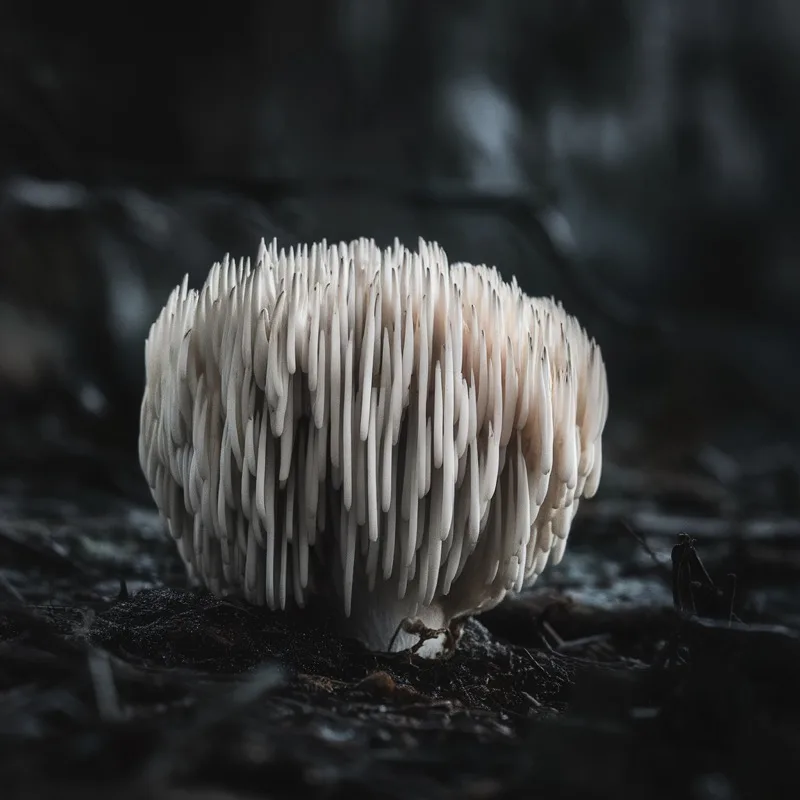
Functional mushrooms are species of fungi used for their health-promoting properties beyond basic nutrition. Unlike culinary mushrooms eaten primarily for taste, functional varieties like Lion’s Mane, Reishi, Cordyceps, and Chaga contain bioactive compounds (beta-glucans, triterpenes, hericenones) that may support cognitive function, immunity, energy, and stress management. There are roughly 2,000 species of edible fungi, but only about 15 species are widely classified as functional or medicinal based on their documented bioactive profiles. Many of these species have been used for centuries in Traditional Chinese Medicine and other Eastern healing systems. The global functional mushroom market was valued at over $25 billion in 2023, driven by growing consumer interest in adaptogenic and nootropic supplements. To qualify as functional, a mushroom must contain measurable levels of bioactive compounds such as polysaccharides, terpenoids, or phenolic compounds that have demonstrated biological activity in peer-reviewed research.

Are mushroom supplements safe?
+
Generally, yes. Functional mushroom supplements have a long history of use in traditional medicine and are considered safe for most healthy adults. However, they may interact with certain medications (blood thinners, immunosuppressants, diabetes drugs). Always consult a healthcare provider before starting any supplement, especially if pregnant, nursing, or taking medication. Clinical trials on species like Lion’s Mane, Reishi, and Cordyceps have reported minimal adverse effects at standard dosages of 1,000–3,000 mg per day. The most commonly reported side effects are mild digestive discomfort, which typically resolves within the first week of use. Reishi, in particular, should be used cautiously by anyone on blood-thinning medication because its triterpene compounds may have anti-platelet activity. Quality also matters — supplements without third-party testing may contain contaminants like heavy metals or undisclosed fillers. Choosing products with a current Certificate of Analysis (COA) helps ensure both safety and accurate labeling.
What’s the difference between fruiting body and mycelium?
+
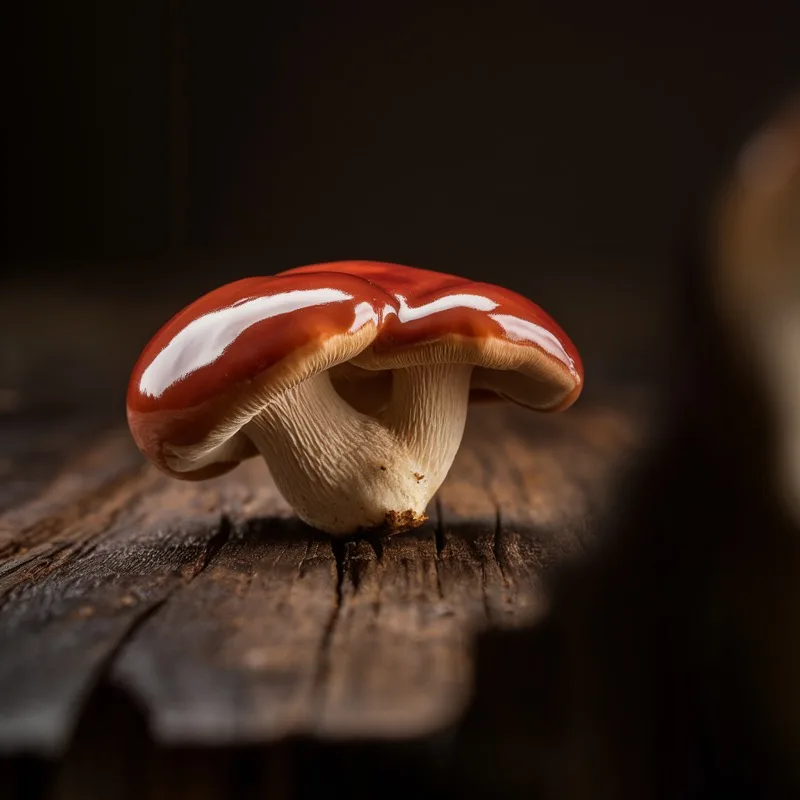
The fruiting body is the above-ground part of the mushroom you’d recognize (cap and stem). Mycelium is the root-like network that grows underground or through a substrate. Research suggests fruiting body extracts contain higher concentrations of beneficial compounds like beta-glucans. Mycelium-on-grain products may contain significant starch filler. Most experts recommend fruiting body extracts for potency. Independent lab testing has shown that some mycelium-on-grain products contain as little as 5% beta-glucans, with the remaining content being primarily rice or oat starch from the growing substrate. By contrast, quality fruiting body extracts typically contain 25–50% beta-glucans. This distinction matters because beta-glucans are the primary immune-modulating compounds in medicinal mushrooms. When reading labels, look for ‘fruiting body’ or ‘100% mushroom’ and avoid products listing ‘myceliated grain’ or ‘mycelial biomass.’ Some compounds like erinacines in Lion’s Mane are found mainly in the mycelium, so a dual-stage extraction from both sources can be ideal for that species.

How long does it take for mushroom supplements to work?
+
Most people report noticing effects within 2–4 weeks of consistent daily use. Some benefits like energy from Cordyceps may be felt within days, while cognitive benefits from Lion’s Mane or immune support from Turkey Tail typically require 4–8 weeks. Consistency is key — mushroom supplements build up effects over time. Clinical studies typically assess outcomes over 8–12 week periods. For example, the Saitsu 2019 study on Lion’s Mane measured cognitive improvements after 12 weeks of daily supplementation, and benefits reversed within 4 weeks of stopping. Adaptogens like Reishi work by gradually modulating the body’s stress response systems, so meaningful changes in sleep quality or stress resilience generally appear after 3–4 weeks. For best results, take your mushroom supplement at the same time each day with food to improve absorption. Keep a simple journal tracking the specific outcomes you are targeting so you can objectively evaluate whether the supplement is working for you.

What is a Certificate of Analysis (COA)?
+
A COA is a document from an independent third-party lab verifying the contents, potency, and purity of a supplement. It confirms the product contains what the label claims and tests for contaminants like heavy metals, pesticides, and microbial contamination. We strongly recommend only buying from brands that provide COAs. A thorough COA should include identity verification (confirming the correct species), active compound quantification (such as beta-glucan percentage), and contaminant screening for lead, arsenic, cadmium, mercury, pesticide residues, and microbial load. Reputable labs include Eurofins, NSF International, and USP. Some brands post COAs directly on their product pages, while others provide them upon request. If a company refuses or cannot provide a recent COA, that is a significant red flag. COAs should ideally be lot-specific, meaning each manufacturing batch is tested independently rather than relying on a single test from years ago.

Which mushroom is best for focus and memory?
+
Lion’s Mane (Hericium erinaceus) is the most studied mushroom for cognitive function. Research suggests its compounds — hericenones and erinacines — may stimulate nerve growth factor (NGF) production, supporting memory, focus, and overall brain health. It’s the go-to choice for nootropic benefits. A 2019 clinical trial (Saitsu et al.) found that older adults with mild cognitive impairment showed significant improvements on cognitive tests after 12 weeks of daily Lion’s Mane supplementation. A 2023 study (Docherty et al.) demonstrated improved processing speed in healthy young adults after acute supplementation. Research from Martinez-Marmol et al. (2023) identified novel hericerin derivatives that enhanced spatial memory in preclinical models by activating neurotrophic pathways in hippocampal neurons. For best cognitive results, look for Lion’s Mane products using fruiting body extract with standardized hericenone content, and plan on at least 4–8 weeks of consistent daily use at dosages of 1,000–2,000 mg per day.

Which mushroom is best for sleep and stress?
+
Reishi (Ganoderma lucidum) is traditionally known as the ‘Mushroom of Immortality’ and is the top choice for calm, sleep support, and stress management. Its triterpene compounds have adaptogenic properties that may help regulate the body’s stress response. Many users take Reishi in the evening as part of a wind-down routine. Reishi contains over 400 identified bioactive compounds, with ganoderic acids (a type of triterpene) being the most relevant for stress and sleep. These compounds may modulate the HPA axis, which governs cortisol and the body’s fight-or-flight response. Research in the Journal of Ethnopharmacology has shown Reishi extract increased total sleep time and non-REM sleep in animal models. For sleep support, look for dual-extracted Reishi products that capture both water-soluble beta-glucans and alcohol-soluble triterpenes. A typical evening dose is 1,000–1,500 mg taken 30–60 minutes before bedtime. Reishi pairs well with magnesium and L-theanine for a comprehensive wind-down protocol.
Which mushroom is best for energy and athletic performance?
+
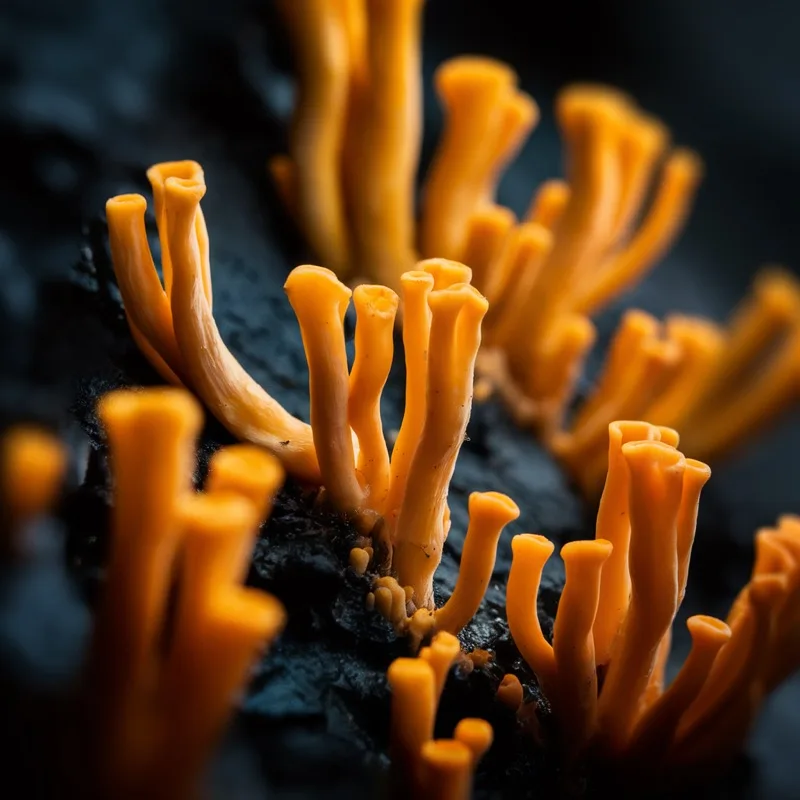
Cordyceps (particularly Cordyceps militaris) is most associated with energy and physical performance. Research suggests it may improve oxygen utilization, support ATP production, and enhance endurance. It’s popular among athletes and people seeking a natural energy boost without caffeine. Cordyceps contains cordycepin (3’-deoxyadenosine), a compound structurally similar to adenosine that may support cellular energy metabolism. A 2010 study published in the Journal of Alternative and Complementary Medicine found that Cordyceps supplementation improved VO2 max in older adults after 12 weeks. The mushroom’s potential to enhance oxygen uptake makes it particularly relevant for endurance athletes and high-altitude training. Cordyceps militaris is the cultivated species used in most supplements, as wild Cordyceps sinensis is extremely rare and expensive. For athletic performance, look for products providing 1,000–3,000 mg per day of Cordyceps militaris fruiting body extract. Take it in the morning or 30–60 minutes before exercise for best results, and avoid taking it late in the day as it may interfere with sleep.

What are beta-glucans and why do they matter?
+
Beta-glucans are polysaccharides found in mushroom cell walls that are responsible for many immune-supporting benefits. They activate immune cells like macrophages and natural killer cells. Higher beta-glucan content generally indicates a more potent mushroom extract. Look for products that list beta-glucan percentage on the label — 20%+ is considered good. Mushroom beta-glucans have a unique 1,3/1,6 branching structure that distinguishes them from beta-glucans found in oats or yeast. This specific structure is recognized by receptors on immune cells called Dectin-1 and complement receptor 3 (CR3), which trigger a cascade of immune-modulating activity. Research published in the journal Frontiers in Immunology has documented how mushroom-derived beta-glucans can prime the innate immune system without overstimulating it, making them true immunomodulators rather than simple immune boosters. When evaluating mushroom supplements, the Megazyme assay is considered the gold standard for measuring beta-glucan content. Products listing only ‘polysaccharide’ content can be misleading, as starch from grain fillers also registers as polysaccharide on basic tests.
Can I take multiple mushroom supplements together?
+
Yes, many people ‘stack’ multiple mushroom species for complementary benefits — for example, Lion’s Mane for focus plus Cordyceps for energy. Many multi-mushroom blends already combine several species. There are no known negative interactions between common functional mushroom species. A popular daily stack combines Lion’s Mane in the morning for cognitive support, Cordyceps before exercise for energy, and Reishi in the evening for sleep and recovery. When using multi-mushroom blend products, check the label to ensure each species is present in a meaningful dose rather than a small amount spread across many species. A product with 10 mushrooms at 200 mg total may be less effective than a focused product with 2–3 species at 500 mg or more each. If you are stacking individual supplements, start with one species for 2 weeks before adding the next so you can identify which mushrooms are contributing to the effects you experience. Consult a healthcare provider if you are taking prescription medications.
Are mushroom gummies as effective as capsules or powders?
+
Gummies can be effective but often contain lower mushroom doses due to formulation constraints, plus added sugars. Capsules and powders typically offer higher potency per serving. That said, the best supplement is one you’ll actually take consistently — if gummies help you stay consistent, they’re a good choice. Most gummies deliver 250–500 mg of mushroom extract per serving, while capsules commonly provide 500–1,000 mg per capsule. Powders offer the most flexibility, with typical servings around 1,000–2,000 mg. Another consideration is that gummies require heat during manufacturing, which can degrade some heat-sensitive bioactive compounds. They also typically contain 2–4 grams of added sugar per serving. However, advances in gummy formulation have improved extract stability, and several brands now use concentrated extracts to achieve clinically relevant doses. When choosing gummies, check for products that specify the extract ratio (such as 8:1 or 10:1), list beta-glucan content, and use fruiting body extract rather than mycelium-on-grain.
Do mushroom supplements contain psilocybin?
+
No. Legal functional mushroom supplements do not contain psilocybin or any psychoactive compounds. Species like Lion’s Mane, Reishi, Cordyceps, Chaga, and Turkey Tail are completely non-psychoactive. Psilocybin is found only in specific ‘magic mushroom’ species, which are controlled substances in most jurisdictions. Functional mushrooms and psilocybin-containing mushrooms belong to entirely different genera and families. Psilocybin mushrooms (primarily Psilocybe species) produce psilocybin and psilocin, which act on serotonin receptors in the brain to produce psychoactive effects. Functional mushrooms produce beta-glucans, triterpenes, hericenones, cordycepin, and other non-psychoactive bioactive compounds with wellness applications. There is no overlap in active chemistry between these groups. All reputable functional mushroom supplement brands test their products to confirm the absence of psilocybin. If a product marketed as a functional mushroom supplement claims or implies psychoactive effects, that is a warning sign of either mislabeling or adulteration, and the product should be avoided.

What’s the best way to take mushroom supplements?
+
It depends on the form. Capsules are convenient and pre-dosed. Powders are versatile — add to coffee, smoothies, or food. Gummies are tasty and easy. Tinctures (liquid extracts) offer fast absorption. For most people, taking mushroom supplements in the morning with food works well, except Reishi which is often best in the evening. Taking mushroom supplements with a meal that contains some dietary fat can improve absorption of fat-soluble compounds like triterpenes and hericenones. Tinctures are absorbed sublingually within minutes, making them the fastest-acting format, while capsules and powders are absorbed through the digestive tract over 30–60 minutes. If you choose powders, mixing them into hot beverages like coffee or tea can help dissolve the extract and may improve bioavailability. The optimal timing depends on the species: energizing mushrooms like Cordyceps are best in the morning, calming species like Reishi work best in the evening, and Lion’s Mane can be taken at any time you need cognitive support.

How should I choose a mushroom supplement brand?
+
Look for: (1) Third-party lab testing with available COAs, (2) Fruiting body extracts rather than mycelium-on-grain, (3) Clearly labeled mushroom species and dosages, (4) Beta-glucan content listed, (5) No unnecessary fillers or artificial ingredients. Our methodology page explains our full rating criteria. Beyond these basics, consider the extraction method. Dual-extracted products (using both hot water and alcohol) capture a broader spectrum of bioactive compounds than single-extraction methods. Check whether the supplement facts panel lists the actual mushroom extract amount versus total capsule weight, which may include fillers like rice flour or silica. Transparency is a strong indicator of quality — brands that disclose their sourcing, extraction ratios, and growing methods tend to produce more reliable products. Country of origin matters too; many high-quality mushroom extracts are grown and processed in controlled facilities in China, where medicinal mushroom cultivation has been refined over centuries. Avoid brands that make vague claims without supporting data or refuse to share testing results.

Are mushroom coffees worth it?
+
Mushroom coffees combine the benefits of functional mushrooms with coffee, often with reduced caffeine. They’re worth it if you want a convenient way to get mushroom benefits as part of your morning routine. The best options use real coffee beans with meaningful mushroom extract doses (500mg+). Check our mushroom coffee reviews for top picks. When evaluating mushroom coffees, compare the mushroom extract dose per serving against standalone supplements. Many mushroom coffees contain only 200–300 mg of mushroom extract, which may be below the clinically studied dosages for cognitive or immune benefits. The most effective products provide 500–1,000 mg of extract per serving. Also check whether the product uses mushroom extract or whole mushroom powder, as extracts are more concentrated. Popular mushroom coffee species include Lion’s Mane for focus, Chaga for antioxidant support, and Cordyceps for energy. The reduced caffeine content (typically 40–75 mg versus 95 mg or more in regular coffee) makes mushroom coffee a good option for people sensitive to caffeine or looking to reduce their intake without giving up their morning ritual.
Can children take mushroom supplements?
+
Some mushroom supplements are formulated for children (like certain gummy products), but you should always consult a pediatrician first. Dosages for children are typically lower than adult doses. Products specifically marketed for kids tend to have appropriate dosing and kid-friendly formats. Functional mushrooms like Lion’s Mane, Reishi, and Chaga have been consumed as food and medicine by children in Asian cultures for centuries. However, the concentrated extract forms found in modern supplements are more potent than culinary preparations. Children’s dosages are generally set at one-quarter to one-half of the adult dose, depending on the child’s age and weight. Avoid giving mushroom supplements to children under 2 years old without explicit guidance from a pediatrician. For older children, gummy formats are the most common kid-friendly option. Be mindful of added sugar content in gummy products, especially if the child takes multiple gummies daily. Parents should also verify that any children’s mushroom product has third-party testing and a current COA confirming purity and absence of contaminants.

What does ‘dual extraction’ mean?
+
Dual extraction uses both hot water and alcohol to extract different types of beneficial compounds from mushrooms. Hot water extracts water-soluble compounds like beta-glucans, while alcohol extracts fat-soluble compounds like triterpenes. Dual-extracted products generally offer a fuller spectrum of benefits than single-extraction methods. The process typically involves first simmering the dried mushroom material in hot water for several hours to release polysaccharides and beta-glucans. The remaining material is then soaked in ethanol (alcohol) to extract lipophilic compounds including triterpenes, sterols, and certain phenolic compounds. The two extracts are then combined and concentrated. Dual extraction is particularly important for Reishi, where the triterpenes responsible for stress and sleep benefits are not water-soluble, and for Chaga, where the betulinic acid requires alcohol extraction. For species like Turkey Tail, where the primary benefits come from water-soluble polysaccharides (PSK and PSP), a hot-water-only extraction may be sufficient. Always check whether a product specifies its extraction method on the label.

How do I know if a mushroom supplement is working?
+
Track specific outcomes over 4–8 weeks: improved focus and mental clarity (Lion’s Mane), better sleep quality (Reishi), more sustained energy (Cordyceps), fewer sick days (Turkey Tail/Chaga). Keep a simple daily journal rating relevant metrics. Some benefits are subtle and cumulative rather than immediately obvious. A practical approach is to rate your target outcome on a 1–10 scale each day before starting, then continue rating daily after you begin supplementation. After 4 weeks, compare your averages. For Lion’s Mane, track focus duration, task completion, and mental clarity. For Reishi, monitor sleep onset time, wake frequency, and morning energy. For Cordyceps, note workout performance, endurance, and recovery time. For immune-supporting mushrooms like Turkey Tail and Chaga, track how often you get sick over a season compared to previous years. If you do not notice meaningful improvements after 8 weeks of consistent use at recommended dosages, consider switching brands or trying a different extract form before concluding the mushroom is not effective for you.