
The ShrooMap Blog
Mushroom Intel
Research breakdowns, buying guides, and expert analysis from the functional mushroom space.

Functional Mushrooms in Europe: How Manufacturing, Sourcing and Traceability Affect Product Quality
Two supplements built on the same mushroom species can start from different raw materials and end up with different analytical profiles. This guest contribution walks the chain from cultivation and processing to the batch number on the packaging, and separates what a raw material analysis proves from what a finished-product analysis would prove.

Birch Polypore: The Mushroom Ötzi the Iceman Carried 5,300 Years Ago
When researchers discovered Ötzi the Iceman in the Alps, they found two pieces of birch polypore (Fomitopsis betulina) strung on his belt. Five thousand years later, pharmacologists are finally explaining why: F. betulina produces triterpenoids and unique glucans with documented antibacterial, anti-inflammatory, immunomodulatory, and anticancer activity. Here's what the peer-reviewed literature actually says.

Can Lion's Mane Mushroom Help with ADHD? A Physician's Honest Look at the Research
ADHD medications target dopamine and norepinephrine. Lion's mane targets nerve growth factor. Those are different systems — but the overlap may be more clinically useful than you'd expect. Here's what four human RCTs actually show.

Nootropic vs. Adaptogen: What Kind of Supplement Is Your Functional Mushroom?
Your lion's mane is not an adaptogen. Your reishi is not a nootropic. Your turkey tail is neither. The supplement industry has turned both words into marketing mush, but the science behind each category is actually fascinating — and knowing the difference will make you a sharper buyer.

Reishi Mushroom and Cancer Support: What a Cochrane Systematic Review Actually Found
A 2016 Cochrane systematic review of five RCTs found that reishi alongside chemotherapy increased positive tumor response by 50% relative to chemo alone, while simultaneously raising CD3+, CD4+, and CD8+ T-cell counts. As an adjunct — not a replacement — the evidence is more credible than most supplements. Here's what a physician actually thinks about it.

Maitake Mushroom: The Complete Guide to Grifola frondosa
Maitake (Grifola frondosa) is one of the most pharmacologically interesting mushrooms in the functional supplement world, with robust pre-clinical data on insulin resistance, immune modulation, and inflammation. Here's what the research actually says — and what to look for in a supplement.

Agaricus blazei Murill: The Brazilian Sun Mushroom Your Immune System Might Thank You For
You've heard of lion's mane, reishi, and turkey tail. But this Brazilian mushroom has real human clinical data behind it — including a controlled trial in cancer patients that actually raised NK cell counts. Here's what you need to know.

Shiitake Mushroom Benefits: What Lentinan, AHCC, and the Clinical Trials Actually Tell Us
Shiitake is the world's second most cultivated mushroom and has been used medicinally in East Asia for over a thousand years. But 'traditional use' isn't a clinical trial. Here's what the actual human data says — the good, the sobering, and the genuinely interesting.

Phellinus linteus (Mesima): The Overlooked Immune Mushroom With an RCT to Its Name
Turkey tail gets the RCT headlines, reishi gets the wellness influencers, and lion's mane gets the neuroscience crowd. Meanwhile, Phellinus linteus — known as Mesima in Korea and Sanghuang in Chinese medicine — quietly accumulated a body of clinical evidence that most Western supplement buyers have never encountered.

Mushroom Supplements and Drug Interactions: What Your Doctor Needs to Know
Functional mushrooms are marketed as safe and natural, but that doesn't mean they're inert. As a physician, I'm seeing more patients combine these supplements with prescription medications without a second thought — and some of those combinations deserve a second (and third) thought.

Maitake Mushroom and Blood Sugar: What the Science Actually Says
Maitake is the most under-discussed functional mushroom with genuinely compelling blood sugar research. Multiple independent studies show it repairs insulin signaling at the molecular level—activating the IR/IRS-1/PI3K/Akt cascade and PPARδ pathways simultaneously. A Phase II trial at Memorial Sloan Kettering also confirmed real immunomodulatory effects in humans.

Reishi Mushroom for Sleep: What the Science Actually Says
Reishi has been used as a sleep aid in traditional Chinese medicine for millennia, but what does the modern pharmacology actually show? The answer involves GABA receptors, specific triterpene compounds, and a 2025 study that finally explains the mechanism in detail.

Is Chaga Safe? Oxalates, Kidney Risk, and Who Should Think Twice
Chaga mushroom has real, documented biological activity — antidiabetic, antioxidant, immunomodulatory. It also has an underreported safety issue: a measured oxalate content of 14.2g per 100g, higher than spinach, with published case reports of kidney failure in people taking it in supplement doses. Here's what you need to know.

Functional Mushrooms and Longevity: What the Latest Science Says
A compound from reishi extends lifespan in animal models as well as rapamycin. Lion's mane's ergothioneine may be a genuine 'longevity vitamin.' Here's how the science of mushrooms and aging is developing — and what it means practically.

Mushroom Supplements and Blood Pressure: What the Science Shows
Hypertension affects nearly half of American adults, and the side-effect profiles of antihypertensive drugs keep patients searching for alternatives. Three functional mushroom species have credible pharmacological mechanisms — here's what the evidence actually shows.

Ashwagandha vs. Functional Mushrooms: A Physician's Guide to Choosing the Right Adaptogen
Ashwagandha and functional mushrooms like lion's mane, reishi, and cordyceps share shelf space and marketing claims, but they work through completely different biological mechanisms. A 2024 meta-analysis of 9 RCTs confirms ashwagandha's cortisol-lowering effects, while mushroom research points to immune modulation, neurogenesis, and mitochondrial support. Knowing the difference could save you money — and actually solve the health problem you're trying to address.

Turkey Tail Mushroom and Gut Health: The Prebiotic Connection
Most people know turkey tail for its immune-boosting PSK and PSP compounds. But its most underrated benefit might be what it does to your gut bacteria — and a randomized trial from Harvard shows the effect is real, measurable, and clinically meaningful.

Lion's Mane and Working Memory: What Three Clinical Trials Actually Found
Three randomized controlled trials on Lion's Mane and cognition have been published in the last two years alone. Dr. Blane Schilling, MD breaks down what they measured, what they found, and why the results are both genuinely promising and a lot more nuanced than the supplement industry would have you believe.

Cordyceps and Lung Health: What the Clinical Evidence Actually Shows
Cordyceps has been prescribed for lung conditions in Traditional Chinese Medicine for over a thousand years. But does it hold up to modern clinical scrutiny? I dug into the peer-reviewed data so you don't have to.

Reishi Mushroom and Cortisol: What the Research Actually Says About Stress Hormones
Reishi has been marketed as a cortisol-lowering adaptogen for decades. As a physician who has watched functional medicine trends come and go, I wanted to know what the controlled trials actually say — and the answer is more nuanced than the supplement industry would like you to believe.

Shiitake Mushroom Benefits: What the Science Actually Says
Shiitake is the world's second most-cultivated mushroom, but most people only know it from stir-fry. As a physician who follows the functional mushroom literature, I'm here to tell you the bioactive compounds inside Lentinula edodes have earned serious research attention — with a few important caveats worth understanding before you add a supplement to your cart.

Poria Cocos (Fu Ling): The Ancient TCM Mushroom Western Buyers Are Discovering
Most Americans know lion's mane and reishi. Almost none know Poria cocos — yet it appears in more classical Chinese medicine formulas than nearly any other herb. The science on its GABA-A sedative mechanism and gut microbiome effects is genuinely compelling. Here's what I tell my patients.

Reishi vs. Lion's Mane: A Doctor's Guide to Choosing the Right Mushroom
Both sit in the 'functional mushroom' aisle and both have real research behind them — but reishi and lion's mane target completely different systems. Here's how to stop guessing and start choosing.

Lion's Mane Mushroom for Anxiety and Stress: What the Human Research Shows
Lion's mane is everywhere in the nootropic world, but can it actually reduce anxiety? Three randomized controlled trials give us real data — and the mechanism is more interesting than most supplement companies let on.

Cordyceps and Libido: Does the 'Himalayan Viagra' Actually Work?
Cordyceps has been called 'Himalayan Viagra' for centuries, but what does the science actually say? I dug through the peer-reviewed literature so you don't have to — and the results are more nuanced than the supplement label claims.

Can Mushroom Supplements Help With Weight Loss? A Physician's Take
Functional mushroom brands love to imply their products will help you lose weight. Let's separate the hype from the actual research — because there's a genuinely interesting story here, and it's not the one most supplement companies are telling.

AHCC: The Shiitake-Derived Compound With the Most Compelling Immune Data You've Never Heard Of
AHCC is a shiitake-derived cultured mycelia extract with unusually deep human clinical data for a mushroom supplement. This review explains the immune mechanisms, trial signals, dosage patterns, and product checks that matter before treating AHCC claims as proven.
AHCC: The Shiitake-Derived Compound With the Most Compelling Immune Data You've Never Heard Of
If you want to make a pharmacologist's eyes light up, mention AHCC. It's derived from shiitake mycelium, it has multiple published randomized controlled trials in humans, and one of those trials achieved something that no pharmaceutical has managed: a 64% clearance rate for persistent high-risk HPV infection. That's worth understanding.

Psilocybin Mushrooms: What the 2025 Research Actually Tells Us
Psilocybin is no longer a fringe topic. With 25+ pipeline clinical trials and FDA Breakthrough Therapy designation, the science has moved faster than most physicians realize — and the honest picture is both more promising and more nuanced than headlines suggest.

Mushroom Supplements for Men: Testosterone, DHT, and What the Research Actually Shows
Men's supplement marketing loves the word 'testosterone.' So I went to the actual research on cordyceps, reishi, and DHT to find out what functional mushrooms can and can't do for male hormonal health. The answer is more nuanced — and more interesting — than most brands will tell you.

Enoki Mushroom Benefits: The Science Behind the Ramen Mushroom You're Underestimating
Most people know enoki as those wispy little mushrooms floating in their miso soup. What they don't know is that this unassuming fungus has some of the most interesting anticancer and cardiovascular research of any edible mushroom — including a unique protein that caught oncologists' attention decades ago.

Mushroom Supplements and Autoimmune Disease: What the Research Actually Says
Autoimmune disease affects over 50 million Americans, and many of them are quietly adding mushroom supplements to their regimen. As a physician, I wanted to know if that's brilliant, harmless, or potentially dangerous — so I went deep into the literature.
Reishi Mushroom for Sleep: What the Science Actually Says
Reishi has been prescribed for insomnia in Traditional Chinese Medicine for over 2,000 years. But does the modern science hold up? I dug into the research so you don't have to — and the answer is more interesting than a simple yes or no.

Reishi Mushroom for Sleep: What the Research Actually Shows
Reishi has been called the 'mushroom of immortality' for 2,000 years — but does it actually help you sleep? I dug into the peer-reviewed literature so you don't have to. Here's what the evidence says, what it doesn't say, and how to use it practically.

Maitake Mushroom and Blood Sugar: What the Research Actually Shows
Maitake is one of the few functional mushrooms with a credible mechanistic story behind its glucose-lowering effects. Here's what the research actually says — and what it doesn't.

Reishi Mushroom for Sleep: What the Research Actually Says
Reishi has been prescribed for sleeplessness in traditional Chinese medicine for over 2,000 years. Now, cutting-edge metabolomics research is finally identifying exactly which triterpenes are responsible — and the mechanism looks surprisingly familiar to anyone who knows how sleep medications work.

Can Mushrooms Replace Your Vitamin D Supplement? What the Clinical Research Shows
Here's something most people don't know: mushrooms synthesize vitamin D using the same photochemical pathway as human skin. Expose them to UV light and they convert ergosterol into vitamin D2. Two human clinical trials now confirm that UV-treated mushrooms genuinely raise serum vitamin D levels — though the story has some important nuance.

Lion's Mane for Menopause and Brain Fog: What the Research Actually Shows
Brain fog, mood changes, and memory slips during menopause have a real neurobiological cause: declining estrogen lowers BDNF in the brain. Lion's mane stimulates the same neurotrophic pathway. Here's what the human studies actually show.

Mushroom Supplements and Heart Health: What the Clinical Evidence Shows
Cardiovascular disease kills more Americans than any other condition — yet most people have never heard that certain edible mushrooms have been tested in randomized human trials for cholesterol and blood pressure. Here's what the data actually shows, and what it doesn't.

Tremella vs. Hyaluronic Acid: Which Is Actually Better for Skin Hydration?
The beauty world keeps crowning new 'natural alternatives' to hyaluronic acid — and most don't survive a look at the actual evidence. Tremella fuciformis, the snow mushroom, is different. ShrooMap Editorial Team reviews the real science and explains exactly how these two stack up.

Can Lion's Mane Prevent Cognitive Decline? A Physician's Look at the Evidence
Lion's mane is the only edible mushroom known to stimulate nerve growth factor synthesis in the brain. Three human clinical trials now back that up—here's what the data actually show, what they don't, and who should consider adding it to their routine.
Reishi Mushroom and Your Immune System: What the Science Actually Shows
Reishi is one of the most-studied functional mushrooms in immunology, with a Cochrane meta-analysis of five clinical trials showing it increases key immune cell populations (CD3, CD4, CD8) and enhances NK-cell activity. But calling it an 'immune booster' misses the point — reishi is a modulator, not a stimulator. Here's what that distinction means for you.

Lion's Mane and Depression: What the Science Actually Says
Depression affects hundreds of millions of people worldwide, yet conventional antidepressants fail or cause intolerable side effects in a significant portion of patients. Lion's Mane mushroom has emerged as a genuinely interesting candidate — not because it's trendy, but because the mechanisms it targets are exactly the ones modern psychiatry considers most important. Let me walk you through what the evidence actually shows.

Reishi Mushroom and Liver Health: What the Science Actually Shows
Your liver quietly processes everything you eat, drink, and swallow — including your supplements. So when people claim reishi protects the liver, I want to see the receipts. Turns out, there are some. Here's what the clinical and mechanistic research actually shows.

Cordyceps and Chronic Kidney Disease: What Three Meta-Analyses of RCTs Show
Most people know Cordyceps as the pre-workout mushroom. But in nephrology clinics across East Asia, it has been tested in hundreds of randomized controlled trials for chronic kidney disease. Here is what the combined data actually shows — and why it matters for the roughly 850 million people living with CKD worldwide.

Ergothioneine: The 'Longevity Vitamin' Found Almost Exclusively in Mushrooms
Your body evolved a dedicated transporter just to absorb one compound from food. That compound is ergothioneine, and it's found almost nowhere except mushrooms. Here's what the research says about why that matters for your brain and how long you live.

Mushrooms and Your Gut: How Functional Fungi Feed Your Microbiome
Your gut microbiome is arguably the most influential ecosystem on the planet — at least from your body's perspective. Medicinal mushrooms, it turns out, are some of the best food you can feed it. Here's what the science actually says.

Turkey Tail Mushroom and Cancer: Inside the PSK and PSP Research
PSK (Polysaccharide-K) from turkey tail mushroom is an approved cancer adjunct drug in Japan. But what does the research actually say about how it works, and can a supplement deliver the same effects? The evidence is more substantial than most people realize — and more nuanced than most supplement labels suggest.

Beta-Glucans 101: The Active Compound That Makes Mushroom Supplements Worth Taking
Every serious mushroom supplement claim traces back to one thing: beta-glucans. Here's the molecular science, the real clinical data, and a practical guide to knowing whether your capsule actually contains them.

Oyster Mushroom Benefits: The Underrated Functional Mushroom Backed by Science
Oyster mushrooms have been flying under the radar while lion's mane and reishi grab all the headlines — but the research on Pleurotus ostreatus is genuinely impressive. From cholesterol to blood sugar to immune function, here's what the science actually says.

Mushroom Supplements for Inflammation: What the Science Actually Says
Inflammation is the root of almost everything that hurts us chronically. I dug into the preclinical data on functional mushrooms—and the results are more interesting than the marketing suggests.

Chaga Mushroom: The Antioxidant Powerhouse with Real Immune Science Behind It
Chaga has been brewed as a folk remedy for centuries, but what does modern science actually say? I looked at the studies so you don't have to — and the results are more interesting than the hype suggests.

Lion's Mane and Nerve Regeneration: What the Research Actually Shows
Lion's Mane is the only edible mushroom known to stimulate Nerve Growth Factor (NGF). But what does that actually mean for your brain? ShrooMap Editorial digs into the compounds, the clinical trials, and the honest caveats you won't find on supplement labels.

Lion's Mane and Gut Health: What the Research Actually Shows
Lion's Mane has earned its reputation as a brain-booster, but a growing body of research suggests it may be just as impressive below the neck. Here's what the science says about its effects on your gut.

Reishi Mushroom for Sleep and Stress: What the Science Actually Shows
Reishi has been called the 'mushroom of immortality' for thousands of years — but does it actually hold up for modern sleep and stress problems? I dug into the latest research so you don't have to.
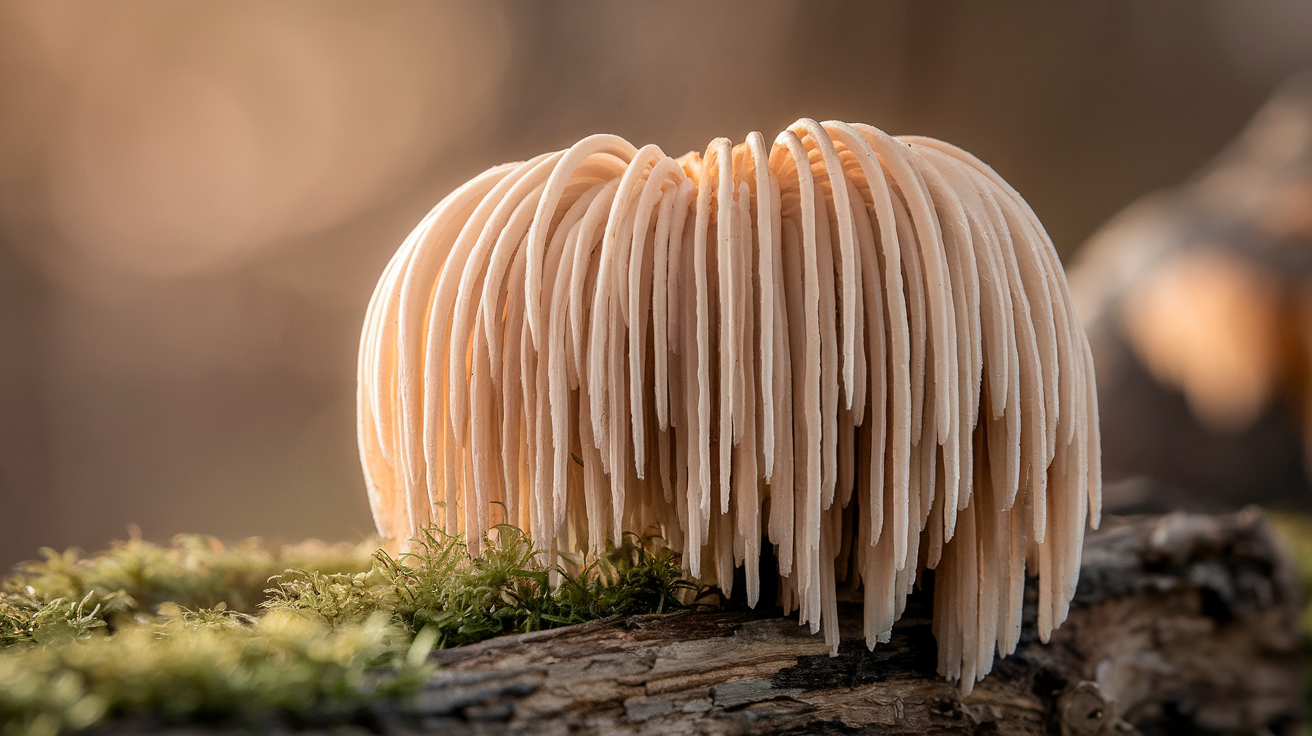
How Long Does Lion's Mane Take to Work? The Real Timeline (With Data)
Lion's Mane works through nerve growth factor (NGF) stimulation, a biological process that takes time to produce noticeable cognitive effects. Clinical trials show measurable improvements in mild cognitive impairment scores beginning at week 8, with peak benefits at weeks 12-16. Most consumers abandon supplementation by week 2, well before the compound reaches effective tissue concentrations. This timeline guide explains the neuroscience behind the delayed onset and why extract quality and dosage (1,000-3,000 mg daily) determine how quickly results appear.

Fruiting Body vs Mycelium: Why Your Expensive Mushroom Supplement is Just Oats
Many mushroom supplement companies sell mycelium grown on grain (MOG) rather than actual fruiting body extract, resulting in products that are up to 70% starch filler. Lab tests show some MOG products contain less than 5% beta-glucans compared to 30%+ in quality fruiting body extracts. Learn how to read supplement labels and avoid overpaying for ground-up oats.
Why I Threw My Pre-Workout in the Trash (And Started Drinking Fungus)
Cordyceps militaris contains cordycepin, a compound that supports cellular ATP production — the body's primary energy currency. Clinical studies show cordyceps may improve VO2 max by 7-11% and delay exercise fatigue. This article compares the crash-free energy profile of cordyceps extract against traditional pre-workout supplements loaded with synthetic caffeine and beta-alanine.
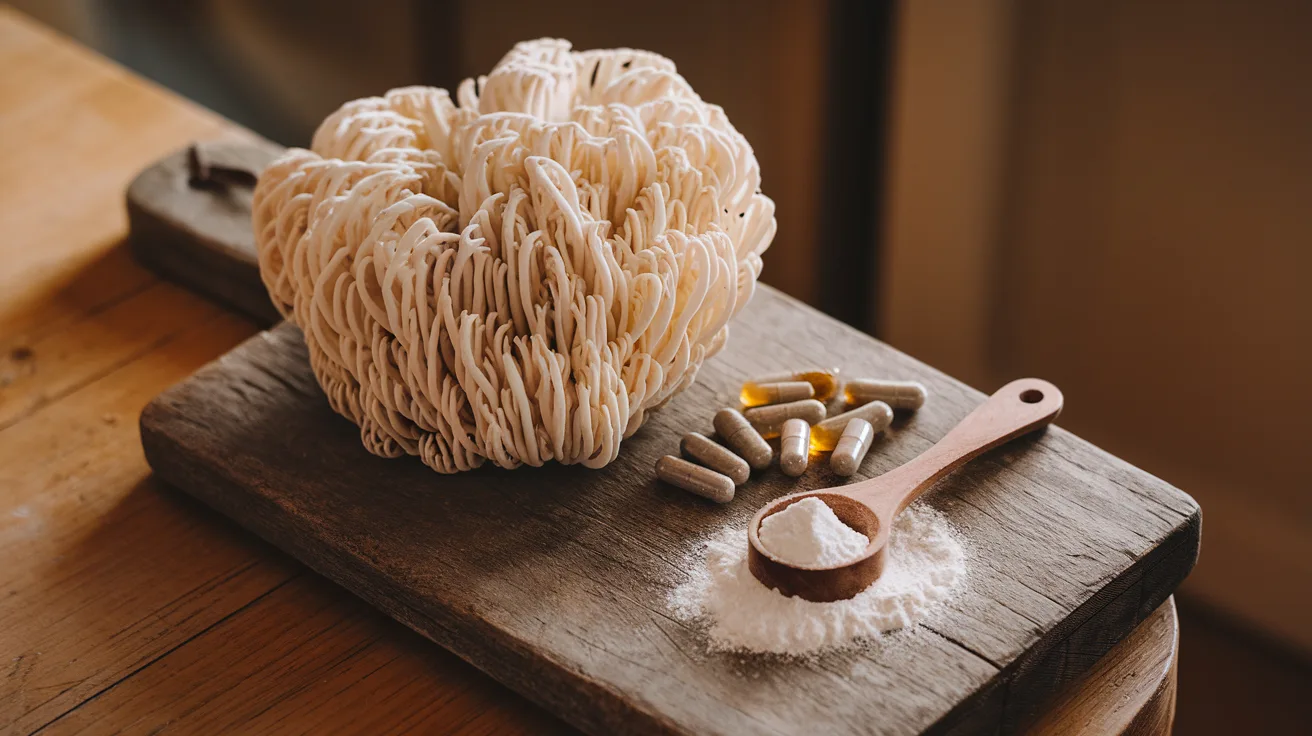
Lion's Mane Dosage: I Tracked 14 Months of Data to Find the Right Amount
Published clinical trials on Lion's Mane (Hericium erinaceus) typically use 1,800-3,000 mg of fruiting body extract daily, yet most consumer products recommend just 500 mg. This guide presents 14 months of personal dosage tracking data alongside peer-reviewed research to help determine the effective dose range for cognitive benefits, including NGF stimulation and memory support.
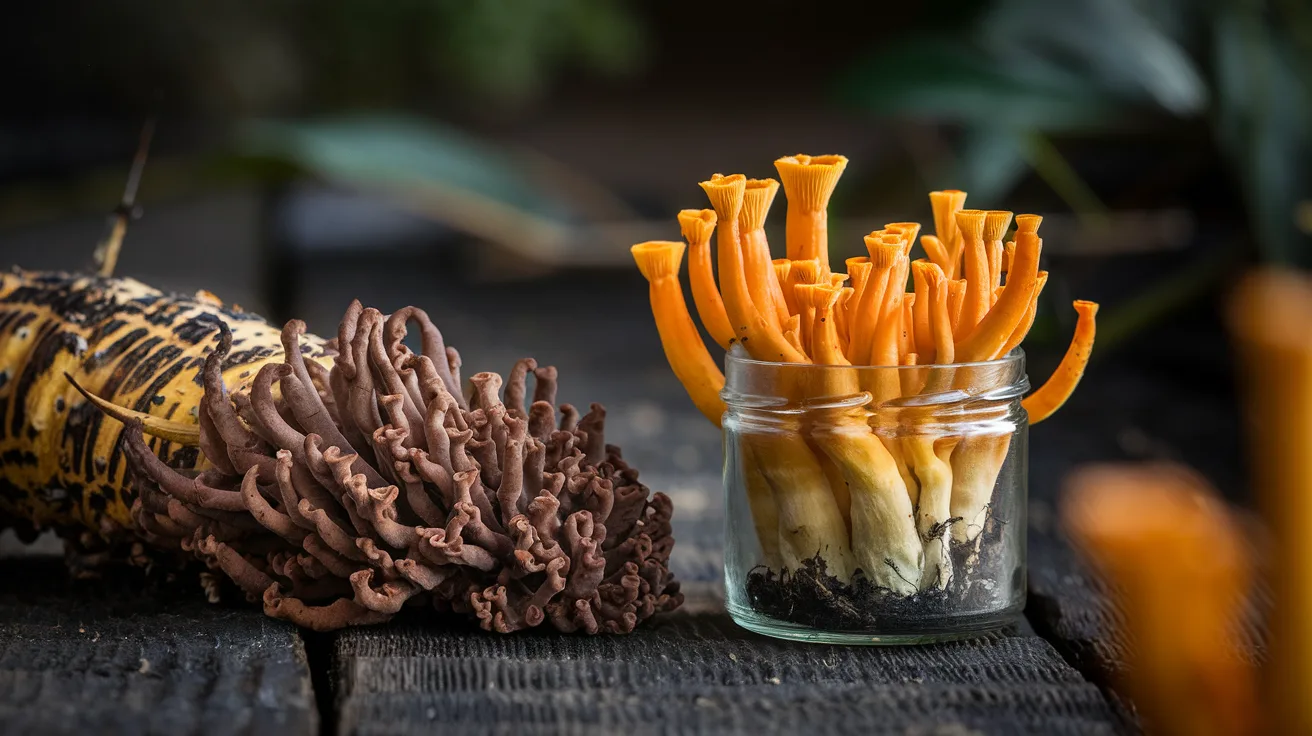
Cordyceps Militaris vs Sinensis: I Wasted $40 Before Learning the Difference
Wild Cordyceps sinensis is one of the most expensive biological materials on earth at $20,000+ per kilogram, and most products claiming to contain it are counterfeit. Lab-cultivated Cordyceps militaris produces up to 90 times more cordycepin — the primary bioactive compound — at a fraction of the cost. This comparison covers the biochemistry, clinical evidence, and practical buying guidance for each species.
Tremella Mushroom for Skin: Nature's Hyaluronic Acid Alternative
Tremella fuciformis (snow mushroom) produces polysaccharides capable of holding up to 500 times their weight in water, exceeding the moisture retention capacity of hyaluronic acid. Research suggests tremella supplementation may support skin hydration, reduce transepidermal water loss, and provide antioxidant protection against UV-induced aging. This guide covers dosing (typically 1,000-2,000 mg daily), supplement forms, and the clinical evidence for tremella's dermatological benefits.
Best Time to Take Mushroom Supplements: A Species-by-Species Timing Guide
Supplement timing can influence both absorption and efficacy of functional mushrooms. Lion's Mane is most effective taken in the morning for daytime cognitive support, while Reishi's triterpenes are best utilized in the evening due to their calming, sleep-promoting properties. Cordyceps should be taken 30-60 minutes before exercise for ATP support. This species-by-species timing guide covers optimal schedules, food pairing recommendations, and how to sequence multi-mushroom stacks.
Mushroom Coffee: Benefits, Side Effects, and Whether It's Worth the Hype
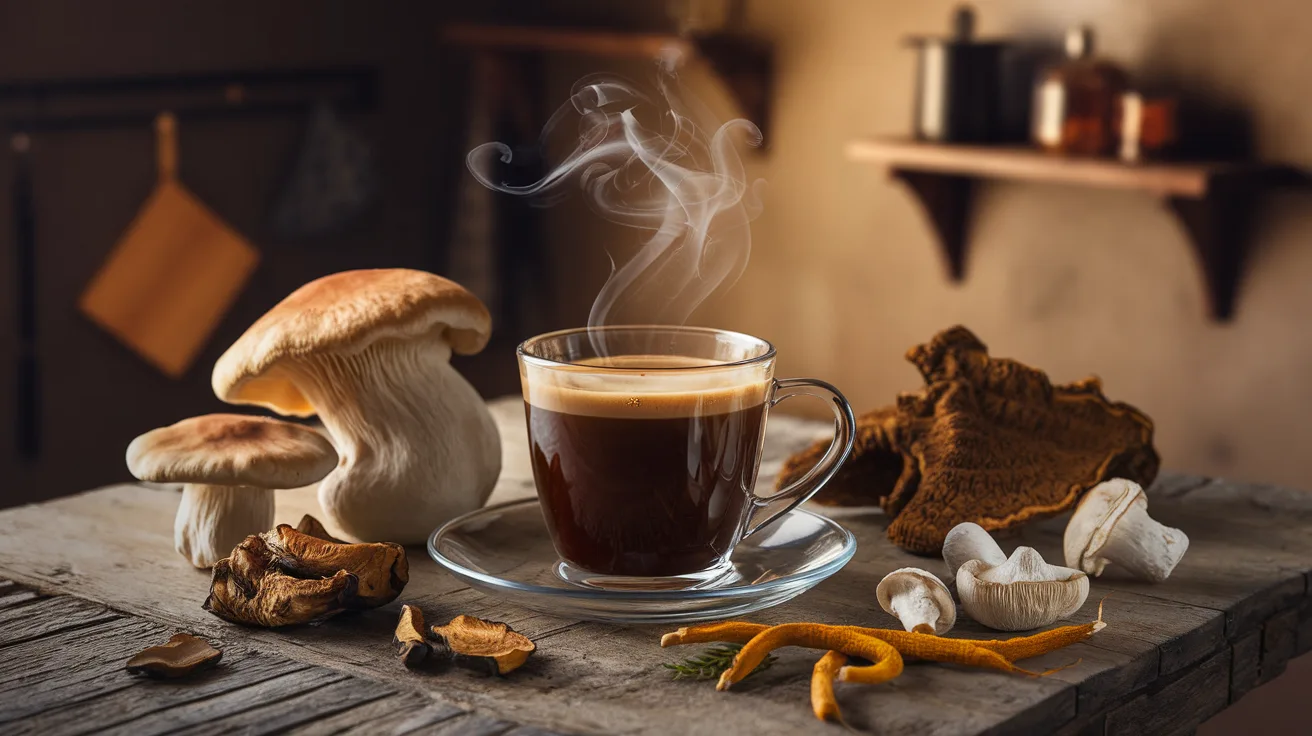
Mushroom coffee blends typically contain 40-75 mg caffeine per serving (vs. 95 mg+ in standard coffee) combined with 250-2,000 mg of functional mushroom extracts. The added Lion's Mane may support focus through NGF stimulation, while Reishi's adaptogenic compounds can buffer caffeine's cortisol spike. This guide covers whether mushroom coffee delivers on its claims, what extract dosages are clinically meaningful, taste comparisons across major brands, and potential side effects.
Best Mushroom Supplements for Anxiety: What Actually Works (2026 Guide)
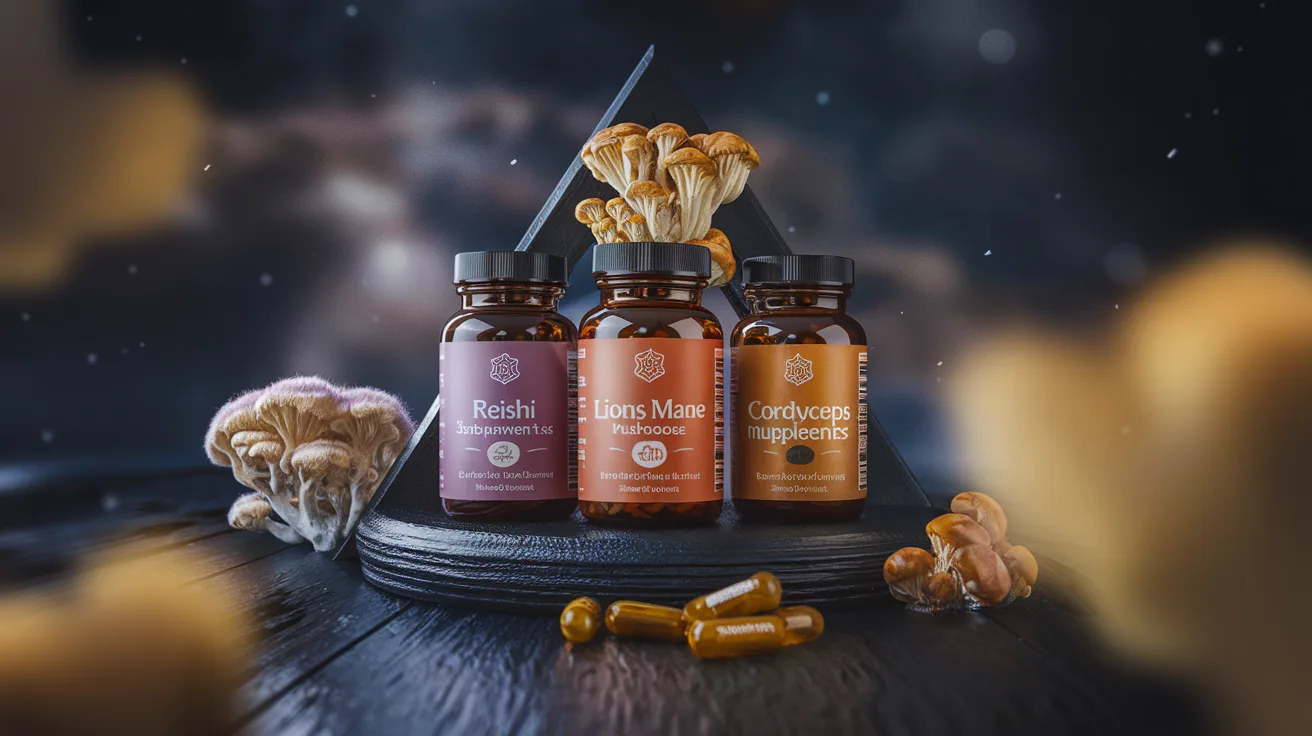
Reishi mushroom (Ganoderma lucidum) has demonstrated anxiolytic effects in preliminary human studies, with triterpenes modulating the HPA axis and reducing cortisol levels. Lion's Mane may reduce anxiety symptoms by 34% in some clinical trials through NGF-mediated neuroplasticity. This guide ranks functional mushrooms by strength of evidence for anxiety relief, provides species-specific dosing protocols, and identifies the most effective supplement forms.
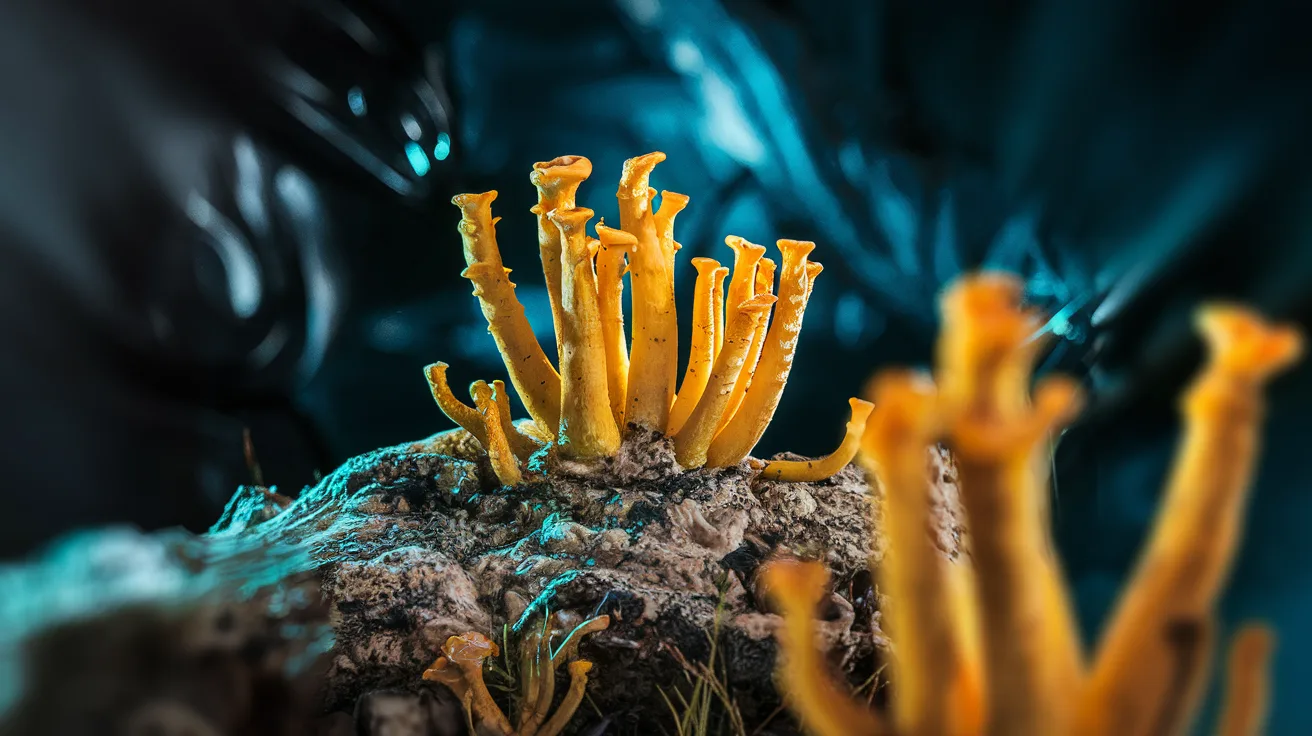
Cordyceps for Athletic Performance & Energy: What the Research Actually Shows
Multiple clinical trials have investigated Cordyceps militaris for athletic performance, with some showing VO2 max improvements of 7-11% over 3-week supplementation periods. Cordycepin and adenosine — the mushroom's primary bioactive compounds — support mitochondrial ATP production and oxygen utilization. This guide analyzes the clinical trial data, effective dosing protocols (1,000-3,000 mg daily), timing relative to exercise, and how to distinguish quality cordyceps supplements from ineffective products.
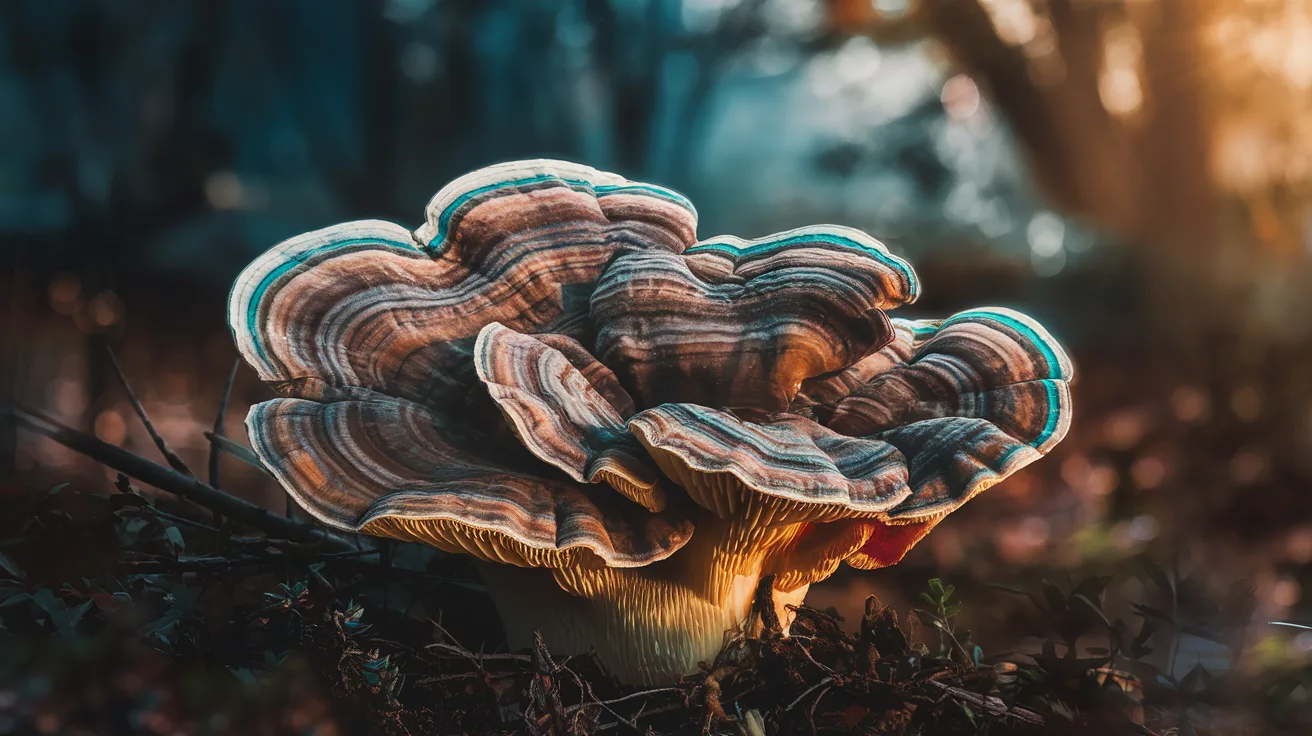
Turkey Tail Mushroom: Benefits, Research and Limits
Turkey-tail research involves different preparations and patient groups. This source-linked guide separates clinical PSK from retail supplements, explains the limits of a nine-participant phase I study, and gives a checklist for comparing labels and laboratory documents.
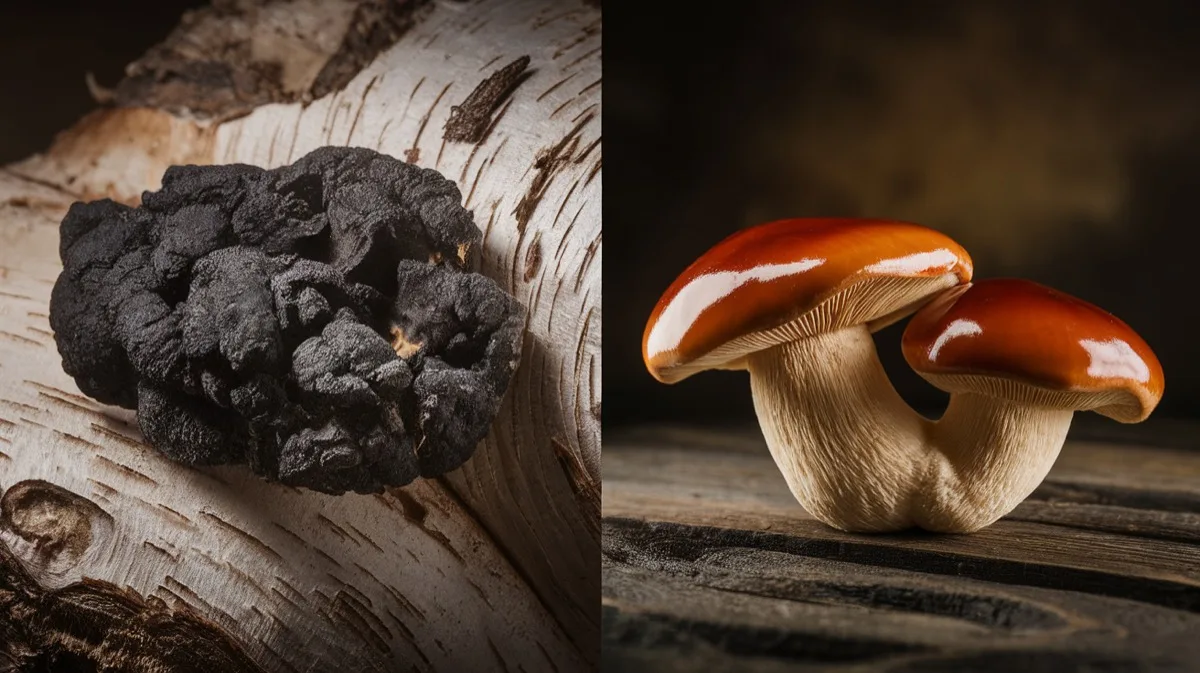
Chaga vs Reishi: Which Immune-Boosting Mushroom Is Right for You?
Chaga (Inonotus obliquus) and Reishi (Ganoderma lucidum) are both immune-supporting mushrooms, but they work through different mechanisms. Chaga is exceptionally rich in antioxidants (ORAC score of 146,700) and melanin, while Reishi's triterpenes and ganoderic acids target stress response and sleep quality. This comparison covers their distinct bioactive profiles, clinical evidence, optimal dosing, and which mushroom suits specific health goals.
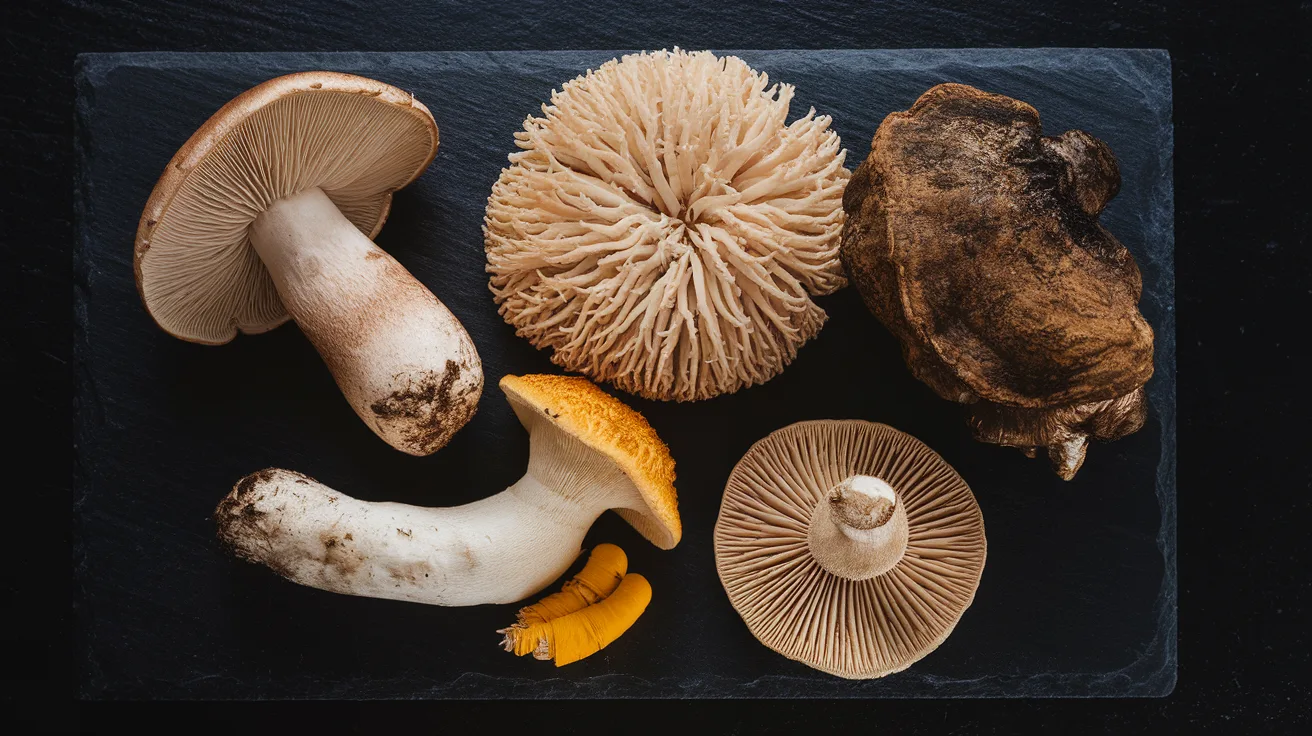
The Complete Guide to Functional Mushrooms in 2026
The functional mushroom supplement market is projected to exceed $19 billion by 2027, yet product quality varies dramatically across brands. This comprehensive guide covers all major species — Lion's Mane, Reishi, Cordyceps, Turkey Tail, Chaga, and Tremella — along with extraction methods, beta-glucan standardization, the fruiting body vs. mycelium debate, and evidence-based criteria for evaluating supplement quality.
Lion's Mane vs Adderall: What the Human Evidence Can Tell Us
The cited lion's mane trials studied cognitive impairment or healthy adults, not replacement of ADHD medication. Their findings cannot establish that a commercial supplement works like Adderall.

How to Read a Mushroom Supplement COA (Certificate of Analysis)
A Certificate of Analysis (COA) is the only objective way to verify what is actually in a mushroom supplement. This step-by-step guide explains how to read COA panels for beta-glucan content (look for >20%), heavy metals testing (arsenic, lead, cadmium, mercury), microbial contamination limits, and starch/filler detection. Learn to identify red flags like missing lot numbers, outdated tests, and unaccredited labs.
Amanita Muscaria Gummies: Everything You Need to Know
Amanita muscaria gummies contain muscimol, a GABAergic compound that produces sedative and mildly psychoactive effects — distinct from psilocybin mushrooms, which act on serotonin receptors. Amanita muscaria is legal in most U.S. states (Louisiana being a notable exception) because it does not contain psilocybin. This guide covers muscimol pharmacology, safe dosing ranges (typically 5-15 mg muscimol), decarboxylation requirements, and product quality indicators.

The Best Mushroom Stacks for Focus, Sleep, and Energy
Mushroom stacking combines two or more functional mushroom species to target specific health goals. For focus, Lion's Mane (1,000 mg) paired with Cordyceps (500 mg) provides both NGF support and ATP-driven energy. For sleep, Reishi (1,500 mg) combined with ashwagandha supports HPA axis regulation and sleep onset. This guide covers the most effective research-backed combinations, optimal dosing ratios, and timing protocols.

Headshop vs Online: Where to Buy Mushroom Supplements
Headshops and smoke shops now carry functional mushroom supplements alongside their traditional inventory, offering the advantage of same-day purchase and in-person product inspection. However, online retailers typically offer 20-40% lower prices and better access to COAs and third-party lab results. This comparison covers pricing data, product selection differences, quality verification strategies, and when each buying channel makes the most sense.
Get the Latest Mushroom Research & Deals
Join thousands of mushroom enthusiasts. Weekly insights on new products, science updates, and exclusive discounts.