
Mejor Meshima Suplementos 2026
Revisado y clasificado de forma independiente por el equipo de investigación de ShrooMap
Por qué Meshima?
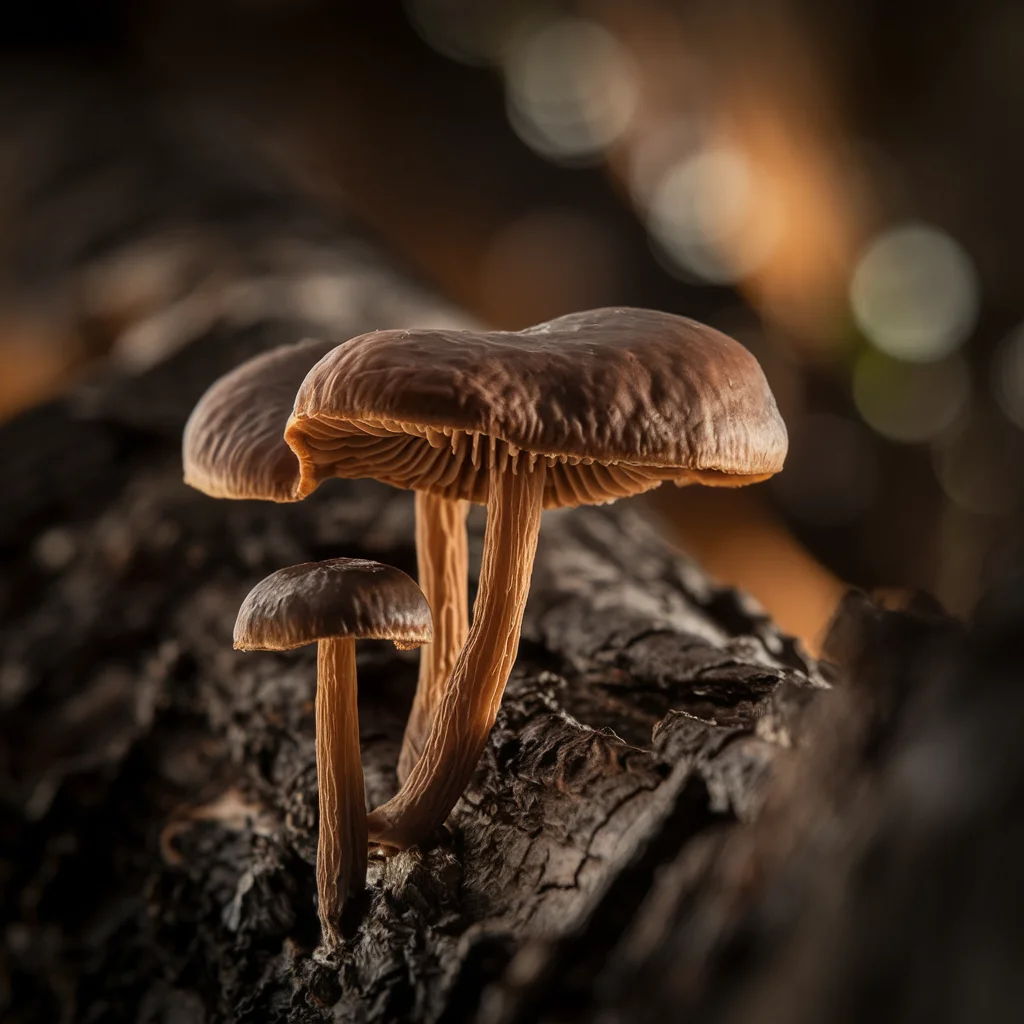
Meshima is a dark, woody bracket fungus that grows on mulberry trees and has become one of the most intensively researched medicinal mushrooms in the world, particularly in Japan and Korea. Its Japanese name, Meshima, means "women's island" — a reference to Meshima Island in Nagasaki Prefecture where the mushroom was traditionally harvested. In Korea, it is called Sang-Hwang and has been used for centuries as a traditional remedy for various ailments, particularly those related to immune function.
Meshima Guía de dosificación
| Objetivo | Dosis (mg/día) | Formulario |
|---|---|---|
| immune support | 1000–3000 mg | Phellinus linteus extract |
Qué hacer Buscar
Not all meshima supplements are created equal. Here is what separates high-quality products from the rest.
Cuerpo fructífero frente a micelio
El cuerpo fructífero es la parte aérea del hongo y contiene la mayor concentración de compuestos bioactivos. Muchos suplementos más baratos utilizan micelio cultivado en grano, que diluye la potencia con relleno de almidón. Busque "cuerpo fructífero" o "extracto de cuerpo fructífero" en la etiqueta.
Contenido en betaglucano
Los betaglucanos son los principales polisacáridos bioactivos de los hongos funcionales, responsables de los efectos inmunomoduladores. Los productos de calidad especificarán el contenido de betaglucanos (busque un 20% o más). Si un producto sólo incluye "polisacáridos" sin especificar los betaglucanos, es posible que contenga rellenos de almidón.
Pruebas de laboratorio de terceros
Las marcas de renombre publican Certificados de Análisis (COA) de laboratorios independientes acreditados. Éstos verifican la potencia, los niveles de metales pesados, la seguridad microbiana y las pruebas de pesticidas. Los productos marcados como "Verificados por el laboratorio" en ShrooMap tienen COA actualizados y a disposición del público que hemos confirmado de forma independiente.
Método de extracción
Las paredes celulares de los hongos están compuestas de quitina, que el ser humano no puede digerir. La extracción con agua caliente rompe estas paredes para liberar betaglucanos y polisacáridos. Algunos compuestos (como los triterpenos) requieren la extracción con alcohol. los productos de "doble extracción" utilizan ambos métodos para obtener el perfil de compuestos más completo.
Frequently Asked Questions
What is the best Meshima supplement?
We regularly evaluate meshima supplements based on ingredient quality, lab testing, value, and user reviews.
How much Meshima should I take daily?
Dosage depends on your goals. For immune support: 1000–3000 mg/day (Phellinus linteus extract). Clinical product specifics vary; compare extract identity and testing carefully. Always start with a lower dose and consult a healthcare provider.
What are the benefits of Meshima supplements?
Meshima supplements are primarily used for Immune Modulation, Anti-Cancer Research, Anti-Inflammatory, Antioxidant Protection, Gut Health. These benefits are attributed to active compounds including Hispolon, Polysaccharides, Interfungins, Protocatechualdehyde. The research level for Meshima is rated as Extensive.
Are Meshima supplements safe?
Meshima human safety data is still limited compared with mainstream culinary mushrooms. Immune-related contexts need clinician review. Contraindications: Active cancer treatment without clinician approval; Immunosuppressant medications; Autoimmune disease; Pregnancy or nursing.
What should I look for in a Meshima supplement?
Look for these key quality markers: 1) Fruiting body extract (not mycelium on grain). 2) Standardized beta-glucan content (at least 20–30%). 3) Third-party lab testing with a Certificate of Analysis (COA). 4) Dual extraction (hot water + alcohol) for full-spectrum compounds. 5) Transparent labeling showing exact mushroom content in mg per serving.
Is it better to take Meshima as capsules or gummies?
Both forms can be effective. Capsules typically deliver higher doses of extract per serving and are better for therapeutic use. Gummies are easier to take and taste better, but often contain lower mushroom content and added sugars. For maximum benefit, capsules or powdered extracts are generally preferred. The best choice depends on your dosage needs and personal preference.