🏆 Editor's Pick 🏆

Lab VerifiedThis product has been independently lab tested with full COA results available. Beta-glucan content, heavy metals, microbials, and potency have been verified.
$55.00 $1.83/serving
View Review
Auricularia auricula-judae
Medically reviewed by Dr. Irvine Russell, M.D.
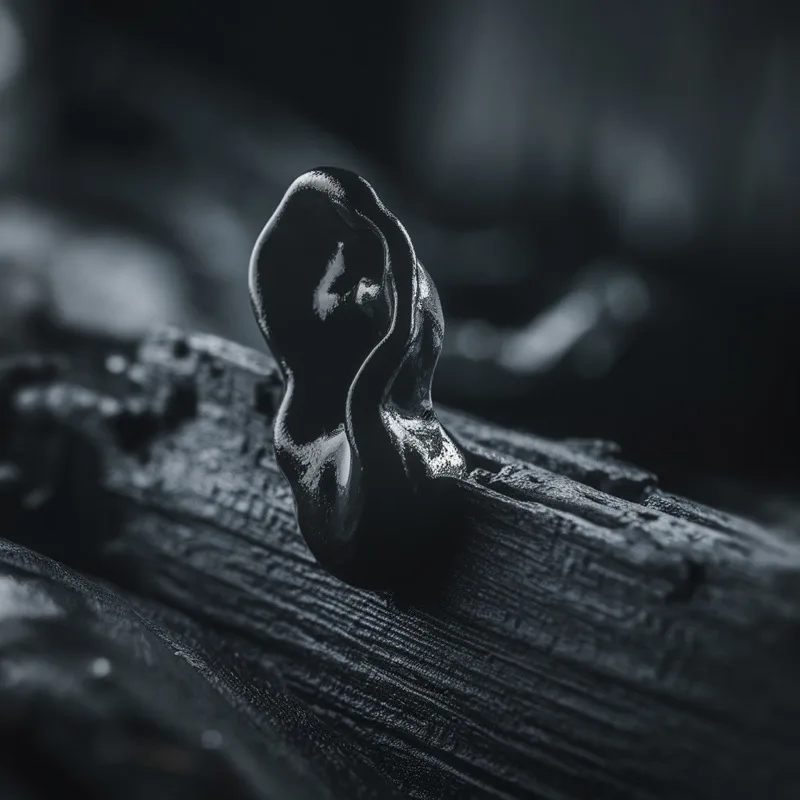
Auricularia auricula-judae is a species of fungus in the order Auriculariales, characterized by its brown, gelatinous, ear-shaped fruiting bodies that grow on wood, especially elder, throughout Europe and Asia. The species has a tough, gelatinous, elastic texture when fresh but dries hard and brittle, with a reddish-tan-brown upper surface and a lighter grey-brown smooth underside. Key pharmacological properties include anticoagulant activity mediated by acidic polysaccharides, hypocholesterolemic effects, and significant iron content, making it a subject of interest in cardiovascular and hematological research.
#12
Popularity Rank
Moderate
Research Level
3
References
3
Key Compounds

Board-Certified Physician · Medical Reviewer · Last Reviewed February 12, 2026
Black Fungus (Auricularia auricula-judae) is a functional mushroom with a moderate level of scientific research supporting its use. Its primary bioactive compounds — Polysaccharides, Iron, Dietary Fiber — have been studied for benefits including cardiovascular health, blood circulation, iron, fiber. Several preclinical studies and initial human trials support these uses, though additional clinical research is ongoing. Black Fungus is ranked #12 in popularity among functional mushroom species, with 3 cited research references in our database. The most commonly recommended form is dried and reconstituted. Typical supplemental dosages range from 500 mg to 3,000 mg per day depending on extract concentration and intended use.
Black Fungus has moderate research support with several preclinical studies and some human trials. More research is needed to confirm benefits.
In plain English, Black Fungus (also called Wood Ear or Jelly Ear) is that dark, floppy, ear-shaped mushroom you've probably encountered in Chinese hot and sour soup, moo shu pork, or a stir-fry at...
Black Fungus has been used in traditional medicine systems for centuries, particularly in Traditional Chinese Medicine (TCM) and other Asian healing practices.
Historical Context: Traditional use does not guarantee efficacy or safety. Modern research is ongoing to validate traditional claims.
In plain English, Black Fungus (also called Wood Ear or Jelly Ear) is that dark, floppy, ear-shaped mushroom you've probably encountered in Chinese hot and sour soup, moo shu pork, or a stir-fry at your local Asian restaurant. It has an incredibly distinctive texture — crunchy, slippery, and slightly chewy all at once — that adds a satisfying bite to dishes. The flavor is very mild, almost neutral, which means it takes on the flavors of whatever sauce or broth it's cooked in.
What makes Black Fungus medically interesting is its traditional reputation as a blood health mushroom. In Chinese medicine, it's been used for centuries to "invigorate the blood" and promote healthy circulation. Modern research has begun to validate this traditional use: studies have identified polysaccharides in Black Fungus with anticoagulant properties — meaning they may help prevent blood from clotting too readily. This has led some researchers to call it a natural blood thinner, though it's important to note that anyone on blood-thinning medication should consult their doctor before consuming large amounts.
Black Fungus is also notably high in iron — one of the richest plant-based sources available, which makes it particularly valuable for vegetarians, vegans, and anyone prone to iron deficiency. It's rich in dietary fiber that may support gut health and cholesterol management, and its polyphenols provide antioxidant protection. Traditional Chinese Medicine practitioners have long recommended it for supporting cardiovascular health, maintaining healthy blood pressure, and aiding digestion.
In the kitchen, Black Fungus is incredibly easy to work with. Dried Black Fungus is inexpensive and available at virtually any Asian grocery store. Simply soak the dried pieces in warm water for 20 to 30 minutes — they'll expand dramatically, sometimes to five or ten times their dry size. Once rehydrated, they're ready to slice and toss into soups, stir-fries, salads, spring rolls, or noodle dishes. They hold up well to cooking and maintain their signature crunch even in hot broths.
As a supplement, Black Fungus is less commonly available than mushrooms like Lion's Mane or Reishi, but you can find it in capsule form and occasionally in mushroom blend products focused on cardiovascular support. Most people simply incorporate it into their diet as a whole food, which is easy given its affordability and wide availability. Typical dietary intake in Asian cuisines is about 5 to 15 grams of dried fungus per serving, rehydrated before cooking.
When buying dried Black Fungus, look for pieces that are uniformly dark, dry, and free from debris or unusual odors. Store dried Black Fungus in an airtight container in a cool, dry place where it will keep for months or even years. Once rehydrated, use it within a day or two. As with any blood-affecting food, moderation is key — enjoy it as part of a varied diet rather than consuming very large amounts daily, especially if you're taking anticoagulant medications.
Top products containing verified Auricularia auricula-judae extracts.


Personalized dosage recommendations based on your experience level, body weight, and goals.
Board-Certified Physician · Medical Reviewer
Board-certified physician affiliated with UC Irvine, the Gavin Herbert Eye Institute, and the UCI School of Medicine. Dr. Russell reviews all mushroom encyclopedia entries for scientific accuracy, ensuring claims are supported by peer-reviewed research.
Last reviewed: February 12, 2026
Click anywhere or press Escape to close