🏆 Editor's Pick 🏆

Lab VerifiedThis product has been independently lab tested with full COA results available. Beta-glucan content, heavy metals, microbials, and potency have been verified.
$55.00 $1.83/serving
View Review
Agaricus bisporus
Medically reviewed by Dr. Irvine Russell, M.D.
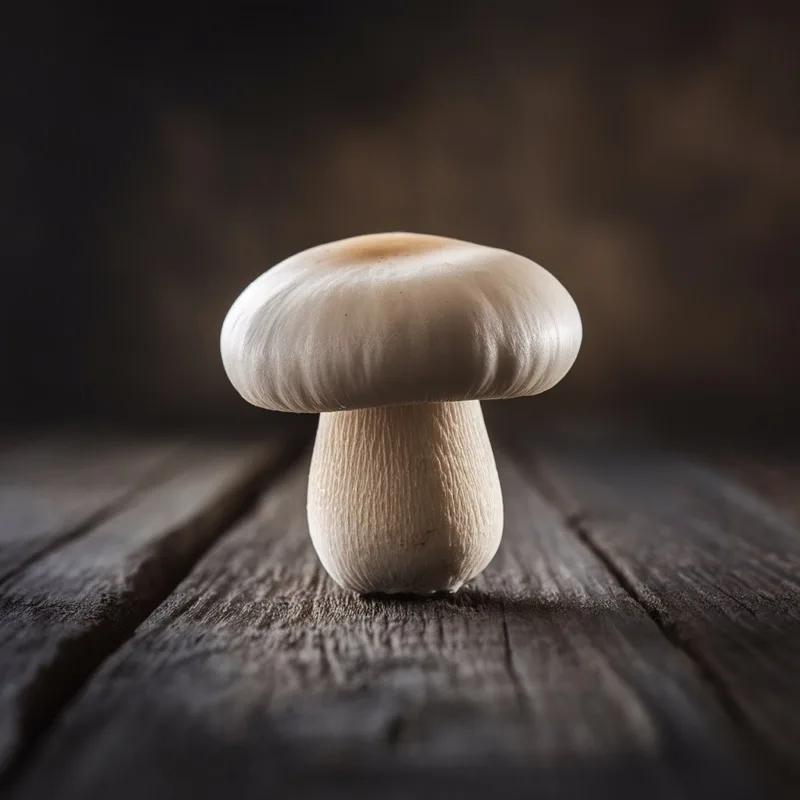
Agaricus bisporus is a basidiomycete fungus belonging to the family Agaricaceae, native to grasslands in Eurasia and North America. This saprotrophic species thrives in humus-rich soil and compost, with a pileus that is initially hemispherical and becomes convex to flattened with age, gills that progress from pink to dark brown, and a stipe bearing a persistent annulus. Key pharmacological properties are attributed to its rich composition of polysaccharides (β-glucans), ergosterol (a precursor to vitamin D2 upon UV exposure), and ergothioneine — a powerful antioxidant amino acid — which exhibit antioxidant, anti-inflammatory, and immunomodulatory effects.
#11
Popularity Rank
Extensive
Research Level
3
References
3
Key Compounds

Board-Certified Physician · Medical Reviewer · Last Reviewed February 12, 2026
White Button (Agaricus bisporus) is a functional mushroom with a extensive level of scientific research supporting its use. Its primary bioactive compounds — Polysaccharides, Ergothioneine, Selenium — have been studied for benefits including immunity, vitamin d, antioxidants, general wellness. Multiple human clinical trials have investigated White Button, making it one of the most evidence-backed functional mushrooms available. White Button is ranked #11 in popularity among functional mushroom species, with 3 cited research references in our database. The most commonly recommended form is fresh or cooked. Typical supplemental dosages range from 500 mg to 3,000 mg per day depending on extract concentration and intended use.
White Button has been extensively studied in both preclinical and clinical research. Multiple human trials have investigated its potential benefits.
In plain English, the White Button mushroom is the one you already know — it's the small, smooth, white-capped mushroom sitting in virtually every grocery store produce section worldwide. It's the...
White Button has been used in traditional medicine systems for centuries, particularly in Traditional Chinese Medicine (TCM) and other Asian healing practices.
Historical Context: Traditional use does not guarantee efficacy or safety. Modern research is ongoing to validate traditional claims.
In plain English, the White Button mushroom is the one you already know — it's the small, smooth, white-capped mushroom sitting in virtually every grocery store produce section worldwide. It's the same species as cremini (brown) mushrooms and portobellos; the difference is just the stage of maturity and the strain. White Buttons are simply harvested youngest, cremini are a bit older and browner, and portobellos are fully mature with wide, open caps. Together, they account for roughly 90% of all mushrooms consumed in the United States.
Because they're so common and affordable, people tend to overlook White Button mushrooms as "just food" — but the science tells a more interesting story. Research has shown that regular consumption of White Button mushrooms can measurably improve immune function, provide significant antioxidant benefits through compounds like ergothioneine and selenium, and even serve as one of the only non-animal sources of vitamin D when the mushrooms are exposed to sunlight or UV light. Some grocery stores now sell UV-treated White Button mushrooms that contain as much vitamin D as a supplement.
The practical beauty of White Button mushrooms is their accessibility. You don't need to order specialty supplements from overseas or pay premium prices for exotic extracts. A few servings of White Button mushrooms per week — sautéed, added to omelets, tossed into pasta, or blended into sauces — delivers meaningful amounts of beneficial compounds. Studies have shown that eating just 5 to 10 grams of dried mushroom equivalent daily (roughly a cup of fresh) can improve immune markers in healthy adults.
White Button mushrooms have a mild, slightly earthy flavor that pairs with almost anything. They're incredibly versatile in the kitchen — equally at home in a French omelet, an Italian pizza, a Chinese stir-fry, or a classic American burger. Raw, they add a clean crunch to salads. Cooked, they develop a deeper, more savory flavor as their moisture evaporates and their natural glutamates concentrate.
Nutritionally, White Button mushrooms are low in calories (about 22 per cup), fat-free, and provide good amounts of B vitamins (riboflavin, niacin, pantothenic acid), potassium, phosphorus, and copper. The ergothioneine content, while lower than specialty mushrooms like King Trumpet, is still significant and accumulates in the body over time with regular consumption.
While you can find White Button mushroom supplements in capsule and extract form, most health experts agree that simply eating them regularly as part of a varied diet is the easiest and most cost-effective approach. When buying fresh, look for firm mushrooms with closed caps and no dark spots or sliminess. Store them in a paper bag in the refrigerator — never in plastic, which traps moisture and accelerates spoilage. For a vitamin D boost, place them gill-side up in direct sunlight for 15 to 30 minutes before cooking.
Top products containing verified Agaricus bisporus extracts.

Mushroom Adventures


Personalized dosage recommendations based on your experience level, body weight, and goals.
Board-Certified Physician · Medical Reviewer
Board-certified physician affiliated with UC Irvine, the Gavin Herbert Eye Institute, and the UCI School of Medicine. Dr. Russell reviews all mushroom encyclopedia entries for scientific accuracy, ensuring claims are supported by peer-reviewed research.
Last reviewed: February 12, 2026
Click anywhere or press Escape to close