

$20.95
View Review
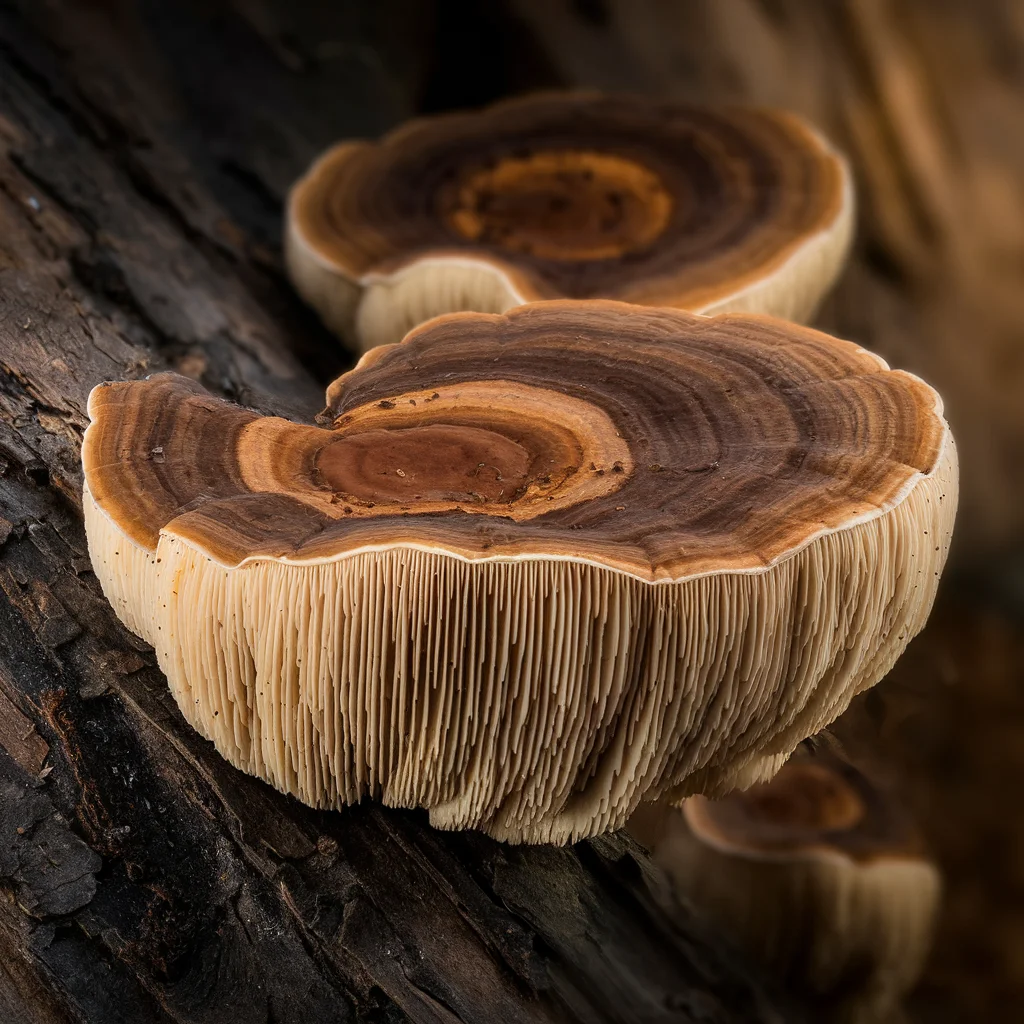
Ganoderma applanatum

Board-Certified Physician · Medical Reviewer · Last Reviewed February 25, 2026
Latin Name
Ganoderma applanatum
Research Level
Limited
Popularity
#25 Ranked
Cited Studies
3 References
Ganoderma applanatum is a perennial polypore fungus of the family Ganodermataceae, closely related to the renowned Ganoderma lucidum (Reishi). It forms large, flat, semicircular to fan-shaped basidiocarps (up to 60 cm across) on dead or dying hardwood trees, particularly beech, oak, and maple. The upper surface displays concentric brown growth zones with a hard, woody texture, while the lower surface features a white pore layer that bruises brown when scratched — a property that has made it a canvas for artists, hence the common name. G. applanatum shares a similar triterpenoid and polysaccharide profile with G. lucidum, including ganoderic acids with documented anti-inflammatory, anti-tumor, and hepatoprotective activities, along with immunomodulatory beta-glucans.
Artist's Conk is a large, flat bracket fungus that you have probably walked past in the forest without realizing it was a close relative of the famous Reishi mushroom. Named for the remarkable property of its white underside — which turns brown when scratched, allowing artists to etch detailed drawings that are preserved as the fungus dries — Ganoderma applanatum is one of the most common polypore fungi in temperate forests worldwide. It grows on dead or dying hardwood trees and can persist for decades, adding a new layer of growth each year.
From a health perspective, Artist's Conk shares many of the same beneficial compounds as its more famous cousin, Reishi (Ganoderma lucidum). Both species produce triterpenes, including ganoderic acids, which have demonstrated anti-inflammatory and immune-modulating properties in laboratory studies. Artist's Conk also contains immunomodulatory beta-glucans and has shown antibacterial activity in research, supporting its traditional use in wound healing applications.
Traditional use of Artist's Conk spans multiple cultures. Indigenous peoples in North America used it as a wound dressing and for respiratory complaints. In European folk medicine, it was used similarly for its antimicrobial properties. Chinese traditional medicine has long recognized the Ganoderma genus as a whole, though G. lucidum (Reishi) has received far more attention in both traditional and modern contexts.
Artist's Conk supplements are relatively niche compared to Reishi, but they are available from specialty mushroom supplement companies, typically in powder or tincture form. Some multi-mushroom blends include G. applanatum alongside other Ganoderma species. Typical dosages follow similar guidelines to Reishi — 500 mg to 2,000 mg per day of extract. The mushroom is also popular among foragers and wild-crafters who harvest it for personal use.
When sourcing Artist's Conk, wild-harvested specimens are the most common, as commercial cultivation is limited. If purchasing supplements, look for products that clearly identify the species as G. applanatum rather than generic "Ganoderma" labeling, which could refer to any species in the genus. Dual extraction (hot water plus alcohol) is recommended to capture both the water-soluble polysaccharides and the alcohol-soluble triterpenes.
Artist's Conk is best understood as a complement to Reishi rather than a replacement. For those interested in the Ganoderma genus, combining Artist's Conk with Reishi provides a broader spectrum of triterpenes and polysaccharides than either species alone. It is also valued by the ancestral health and traditional herbalism communities for its long history of human use and its accessibility as a wild-foraged mushroom.
Verified supplements featuring Artist's Conk — ranked by quality and value

Based on available research evidence
Based on available research evidence
Based on available research evidence
Based on available research evidence
Based on available research evidence
⚠️ Important: These statements have not been evaluated by the FDA. Functional mushrooms are not intended to diagnose, treat, cure, or prevent any disease. Consult with a healthcare provider before starting any new supplement.
Bioactive compounds with potential anti-inflammatory and adaptogenic properties.
Complex carbohydrates that may support immune health and gut function.
Bioactive compound with potential health benefits. Consult scientific literature for detailed information.
Bioactive compound with potential health benefits. Consult scientific literature for detailed information.
Artist's Conk has been used in traditional medicine systems for centuries, particularly in Traditional Chinese Medicine (TCM) and other Asian healing practices.
📖 Historical Context: Traditional use does not guarantee efficacy or safety. Modern research is ongoing to validate traditional claims and understand mechanisms of action.
Artist's Conk has limited scientific research. Most evidence comes from traditional use and preliminary studies.
Research Areas: Studies have focused on immune support, anti-inflammatory, antioxidant protection, and other potential applications. Results are promising but more high-quality human trials are needed.
The following studies have been reviewed and cited by our medical team to support the claims on this page.
Smania, A., Delle Monache, F., Smania, E. F., Gil, M. L., Benchetrit, L. C., & Cruz, F. S. (1995). Antibacterial activity of a substance produced by the fungus Ganoderma applanatum. Phytomedicine, 2(3), 207-211.
This study isolated antibacterial compounds from G. applanatum that demonstrated significant activity against both Gram-positive and Gram-negative bacteria, supporting the mushroom's traditional use in wound healing and infection prevention.
Jeong, Y. T., Yang, B. K., Jeong, S. C., Kim, S. M., & Song, C. H. (2008). Ganoderma applanatum: a promising mushroom for antitumor and immunomodulating activity. Phytotherapy Research, 22(5), 614-619.
This study demonstrated that polysaccharide extracts from G. applanatum exhibited significant antitumor activity against sarcoma cells in mice and enhanced immune cell proliferation, confirming its potential as an immunomodulatory agent.
Usui, T., Iwasaki, Y., Mizuno, T., Tanaka, M., Shinkai, K., & Arakawa, M. (1983). Isolation and characterization of antitumor active beta-D-glucans from the fruit bodies of Ganoderma applanatum. Carbohydrate Research, 115, 273-280.
This early study isolated and characterized beta-D-glucans from G. applanatum with significant antitumor activity, establishing the foundational evidence for the mushroom's bioactive polysaccharide content.
📋 Methodology: References are sourced from PubMed, major mycology journals, and peer-reviewed medical literature. Each entry is reviewed by Dr. Igor I. Bussel, M.D. for accuracy and clinical relevance.
Board-Certified Physician · Medical Reviewer
Board-certified physician affiliated with UC Irvine, the Gavin Herbert Eye Institute, and the UCI School of Medicine. Dr. Bussel reviews all mushroom encyclopedia entries for scientific accuracy, ensuring claims are supported by peer-reviewed research.
Last reviewed: February 25, 2026
Discover more functional mushroom species
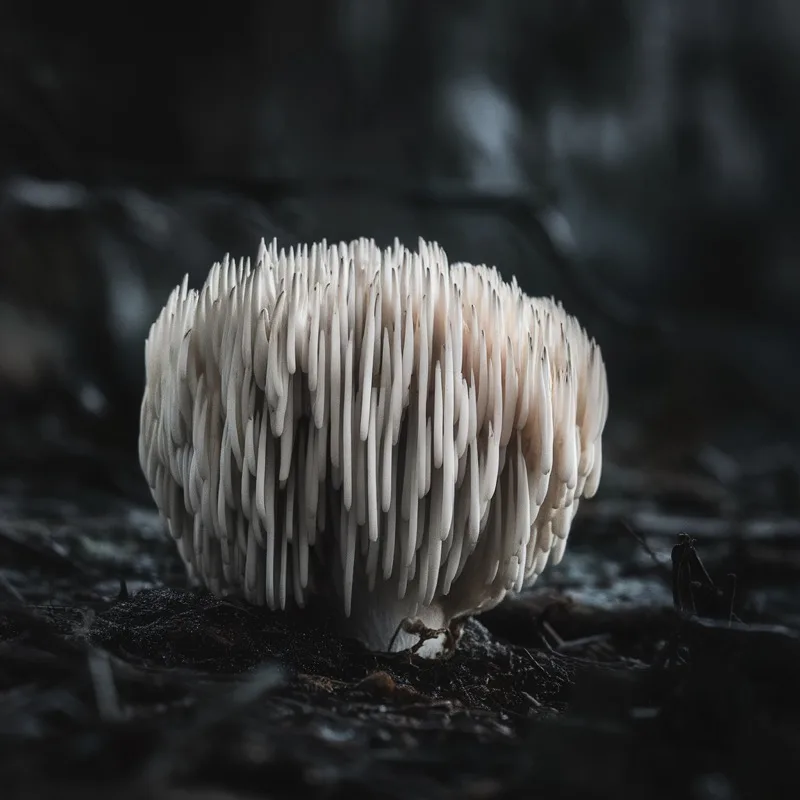
Hericium erinaceus
Hericium erinaceus is a saprotrophic fungus of the family Hericiaceae, commonly found on dead or wounded hardwood trees in North America, Europe, and Asia. Its morphology is characterized by a large, irregular, bulbous fruiting body with long, dangling spines, lacking a distinct cap or stipe. Key pharmacological properties are attributed to its unique bioactive compounds, including hericenones and erinacines, which have demonstrated neuroprotective and neurotrophic effects by stimulating nerve growth factor (NGF) synthesis in preclinical and clinical studies.
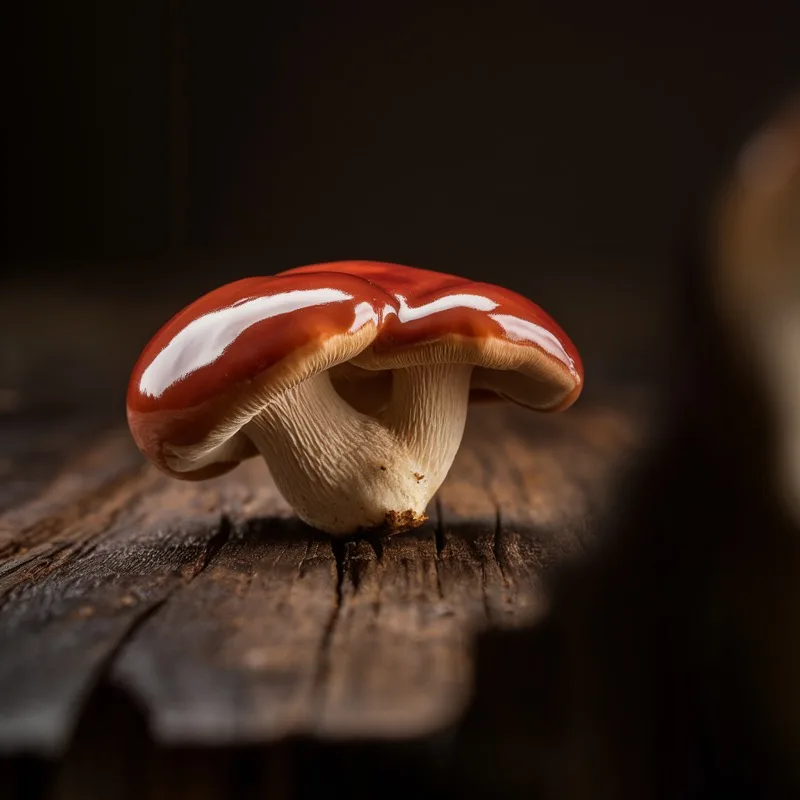
Ganoderma lucidum
Ganoderma lucidum is a polypore basidiomycetous fungus belonging to the family Ganodermataceae, characterized by its laccate cap surface and double-walled basidiospores. This large, woody mushroom thrives in hot and humid subtropical climates, growing on decaying hardwood, and is identified by its distinct red-varnished, fan-like or kidney-shaped cap. Its key pharmacological properties include immunomodulation, hepatoprotection, and adaptogenic effects, primarily mediated by its rich content of polysaccharides and over 130 identified triterpenoid compounds.
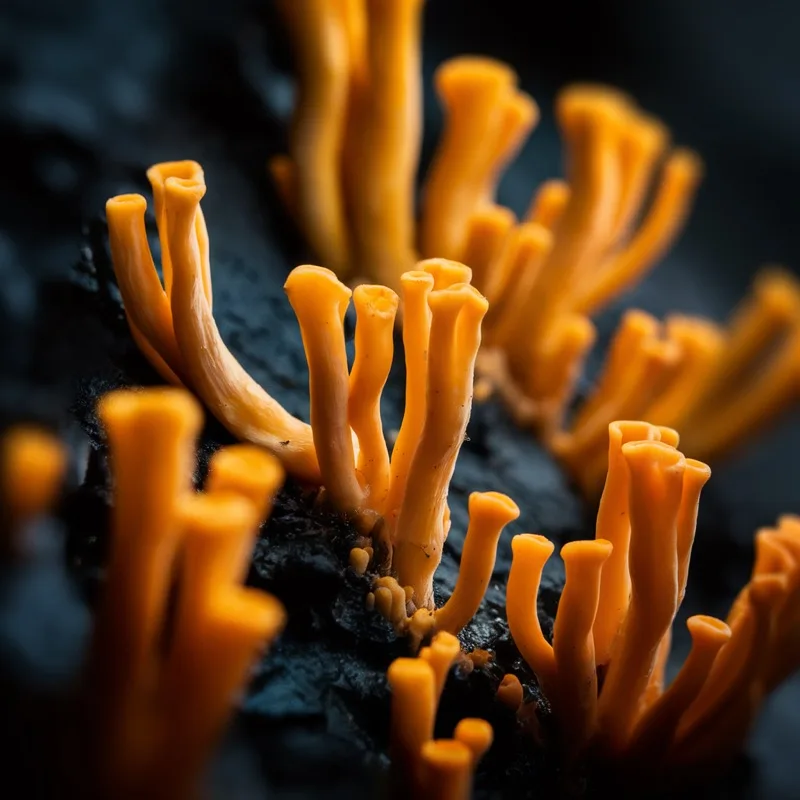
Cordyceps militaris
Cordyceps militaris is a parasitic ascomycete fungus belonging to the phylum Ascomycota, which primarily grows on the pupae of insects in the Northern Hemisphere. It is characterized by its bright orange-red, club-shaped fruiting body that emerges from the deceased host. This fungus is a source of several bioactive compounds, most notably cordycepin (3'-deoxyadenosine) and adenosine, which are nucleoside analogs with demonstrated effects on cellular energy metabolism, oxygen utilization, and anti-inflammatory pathways.
Click anywhere or press Escape to close