

$34.95 $1.17/serving
View Review
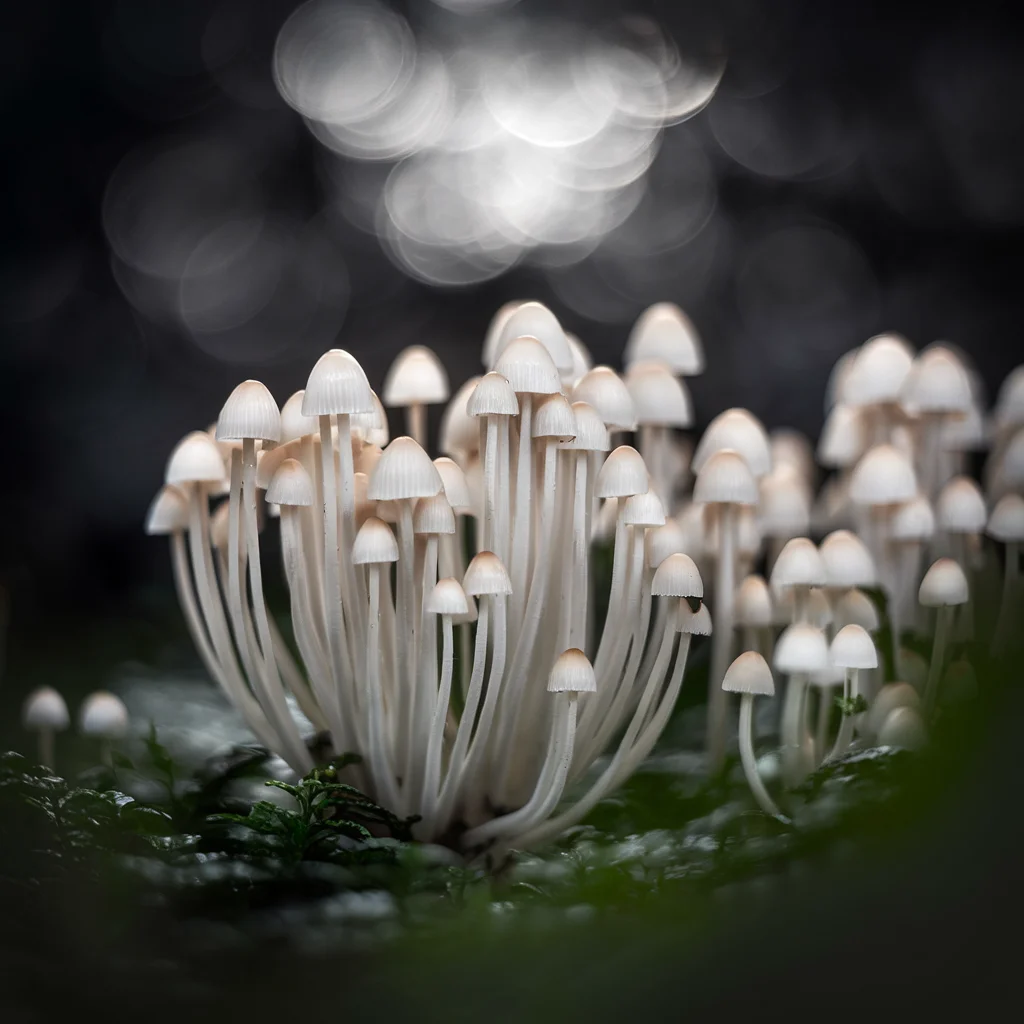
Flammulina velutipes

Board-Certified Physician · Medical Reviewer · Last Reviewed February 25, 2026
Latin Name
Flammulina velutipes
Research Level
Moderate
Popularity
#21 Ranked
Cited Studies
3 References
Flammulina velutipes is a basidiomycete fungus of the family Physalacriaceae, order Agaricales, commonly known as enoki, enokitake, golden needle mushroom, or winter mushroom. In its cultivated form, it presents as clusters of long, thin, white stems (5–14 cm) topped by small, convex caps (1–2 cm diameter), grown in CO2-rich environments that promote stem elongation. Wild specimens differ markedly, featuring shorter stems, larger orange-brown caps with a sticky surface, and a velvety dark stipe base. F. velutipes is notable for its cold tolerance, fruiting at temperatures as low as -10°C. Pharmacologically, it contains flammulin and proflamin — glycoproteins with demonstrated antitumor activity — along with immunomodulatory beta-glucans, ergothioneine, and various phenolic compounds with antioxidant properties.
Enoki mushrooms are those elegant, long-stemmed, tiny-capped mushrooms you have probably seen in Asian soups and hot pot dishes. The cultivated version — bright white with thin, noodle-like stems — looks completely different from its wild counterpart, which has a brown, sticky cap and a velvety dark stem. Also called golden needle mushroom, winter mushroom, or enokitake in Japanese, this species is one of the most widely consumed mushrooms in East Asia and is rapidly gaining popularity in Western markets both as a food and as a supplement ingredient.
What makes enoki interesting from a health perspective is its unique compounds. Flammulin and proflamin are glycoproteins found in enoki that have shown antitumor activity in laboratory studies — research that has generated significant interest in the scientific community. Enoki also contains beta-glucans for immune support, ergothioneine (a potent antioxidant), and various B vitamins. Epidemiological studies from Japan have noted that regions with high enoki consumption tend to have lower cancer mortality rates, though more research is needed to establish causation.
In traditional medicine, enoki has been used in China and Japan for centuries. Chinese practitioners have used it to support digestive health, reduce inflammation, and boost vitality. In Japan, it is considered a health food and is consumed regularly as part of a balanced diet. The mushroom's ability to fruit in cold temperatures — even below freezing — earned it the name "winter mushroom" and made it a valuable food source during colder months.
Enoki supplements are available in capsule form, with The Shroom Shop (UK) offering dedicated enoki capsules, and the extract appears in several multi-mushroom blend formulas. Typical supplement dosages range from 500 mg to 1,500 mg per day. The mushroom is also widely available fresh in grocery stores, where it can be added to soups, salads, stir-fries, and ramen. Fresh enoki should be stored in the refrigerator and used within a week.
When choosing enoki supplements, look for products that specify the extraction method and beta-glucan content. Hot water extraction is the most common method for pulling out the beneficial polysaccharides. As with all mushroom supplements, fruiting body extracts are generally preferred over mycelium-on-grain products. Third-party testing and clear labeling are important quality markers.
Enoki pairs well with other immune-supporting mushrooms like turkey tail and maitake, and can be part of a comprehensive mushroom supplement stack. For culinary enthusiasts, enoki is one of the most versatile cooking mushrooms — it can be eaten raw in salads, added to soups at the last minute for a delicate crunch, wrapped in bacon and grilled, or used as a crispy topping when lightly fried. Its mild, slightly fruity flavor makes it accessible even to people who don't typically enjoy mushrooms.
Verified supplements featuring Enoki — ranked by quality and value


Host Defense
Based on available research evidence
Based on available research evidence
Based on available research evidence
Based on available research evidence
Based on available research evidence
⚠️ Important: These statements have not been evaluated by the FDA. Functional mushrooms are not intended to diagnose, treat, cure, or prevent any disease. Consult with a healthcare provider before starting any new supplement.
Bioactive compound with potential health benefits. Consult scientific literature for detailed information.
Bioactive compound with potential health benefits. Consult scientific literature for detailed information.
Bioactive compound with potential health benefits. Consult scientific literature for detailed information.
A powerful antioxidant amino acid that may protect cells from oxidative damage.
Enoki has been used in traditional medicine systems for centuries, particularly in Traditional Chinese Medicine (TCM) and other Asian healing practices.
📖 Historical Context: Traditional use does not guarantee efficacy or safety. Modern research is ongoing to validate traditional claims and understand mechanisms of action.
Enoki has moderate research support with several preclinical studies and some human trials. More research is needed to confirm benefits.
Research Areas: Studies have focused on immune support, antioxidant protection, digestive health, and other potential applications. Results are promising but more high-quality human trials are needed.
The following studies have been reviewed and cited by our medical team to support the claims on this page.
Chang, S. T., & Wasser, S. P. (2012). The Role of Culinary-Medicinal Mushrooms on Human Welfare with a Pyramid Model for Human Health. International Journal of Medicinal Mushrooms, 14(2), 95-134.
This comprehensive review documented the dual culinary-medicinal role of Flammulina velutipes, highlighting its flammulin and proflamin glycoproteins with antitumor properties, and its significant beta-glucan content supporting immune function.
Tang, C., Hoo, P. C., Tan, L. T., Pusparajah, P., Khan, T. M., Lee, L. H., Goh, B. H., & Chan, K. G. (2016). Golden Needle Mushroom: A Culinary Medicine with Evidenced-Based Biological Activities and Health Promoting Properties. Frontiers in Pharmacology, 7, 474.
This review systematically evaluated the biological activities of F. velutipes, confirming its immunomodulatory, antioxidant, anti-inflammatory, and antitumor properties through multiple in vitro and in vivo studies.
Wu, M., Luo, X., Xu, X., Wei, W., Yu, M., Jiang, N., Ye, L., Yang, Z., & Fei, X. (2014). Antioxidant and immunomodulatory activities of a polysaccharide from Flammulina velutipes. Journal of Traditional Chinese Medicine, 34(6), 733-740.
This study isolated and characterized a polysaccharide from F. velutipes that demonstrated significant antioxidant activity and enhanced immune cell proliferation, supporting the mushroom's traditional use for immune support.
📋 Methodology: References are sourced from PubMed, major mycology journals, and peer-reviewed medical literature. Each entry is reviewed by Dr. Igor I. Bussel, M.D. for accuracy and clinical relevance.
Board-Certified Physician · Medical Reviewer
Board-certified physician affiliated with UC Irvine, the Gavin Herbert Eye Institute, and the UCI School of Medicine. Dr. Bussel reviews all mushroom encyclopedia entries for scientific accuracy, ensuring claims are supported by peer-reviewed research.
Last reviewed: February 25, 2026
Discover more functional mushroom species
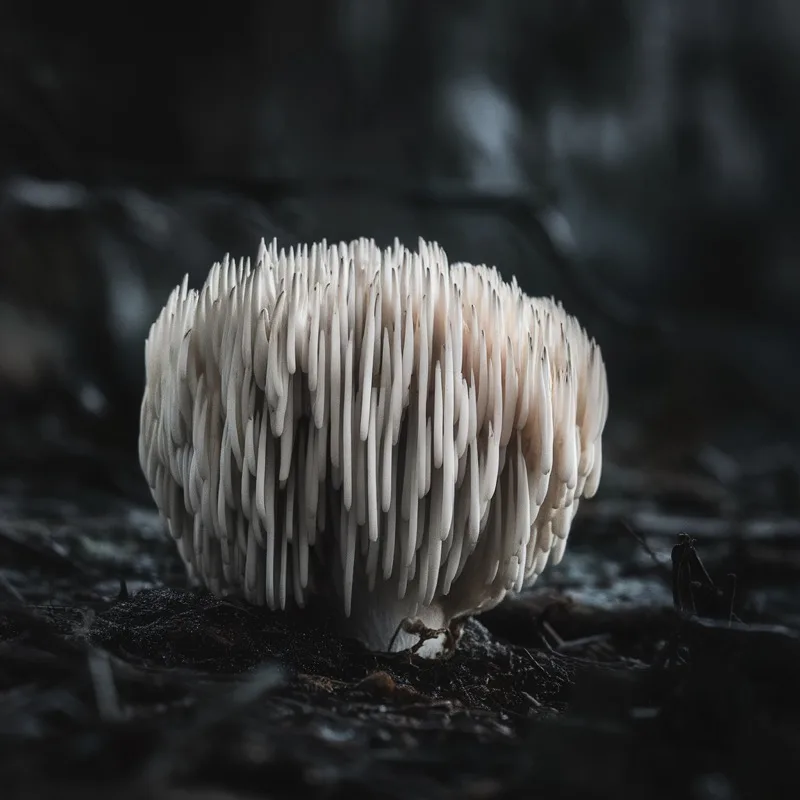
Hericium erinaceus
Hericium erinaceus is a saprotrophic fungus of the family Hericiaceae, commonly found on dead or wounded hardwood trees in North America, Europe, and Asia. Its morphology is characterized by a large, irregular, bulbous fruiting body with long, dangling spines, lacking a distinct cap or stipe. Key pharmacological properties are attributed to its unique bioactive compounds, including hericenones and erinacines, which have demonstrated neuroprotective and neurotrophic effects by stimulating nerve growth factor (NGF) synthesis in preclinical and clinical studies.
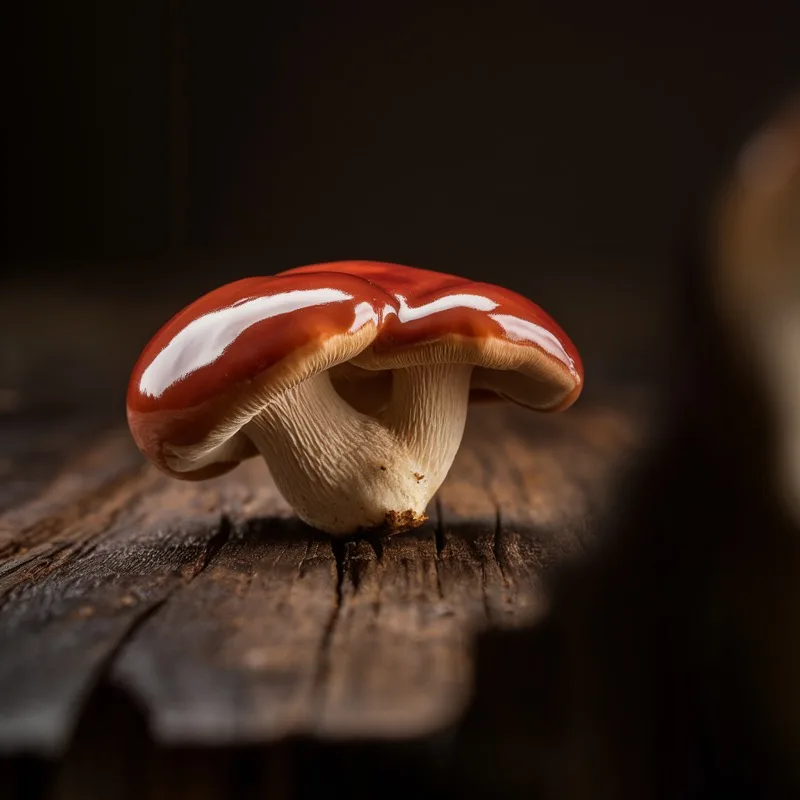
Ganoderma lucidum
Ganoderma lucidum is a polypore basidiomycetous fungus belonging to the family Ganodermataceae, characterized by its laccate cap surface and double-walled basidiospores. This large, woody mushroom thrives in hot and humid subtropical climates, growing on decaying hardwood, and is identified by its distinct red-varnished, fan-like or kidney-shaped cap. Its key pharmacological properties include immunomodulation, hepatoprotection, and adaptogenic effects, primarily mediated by its rich content of polysaccharides and over 130 identified triterpenoid compounds.
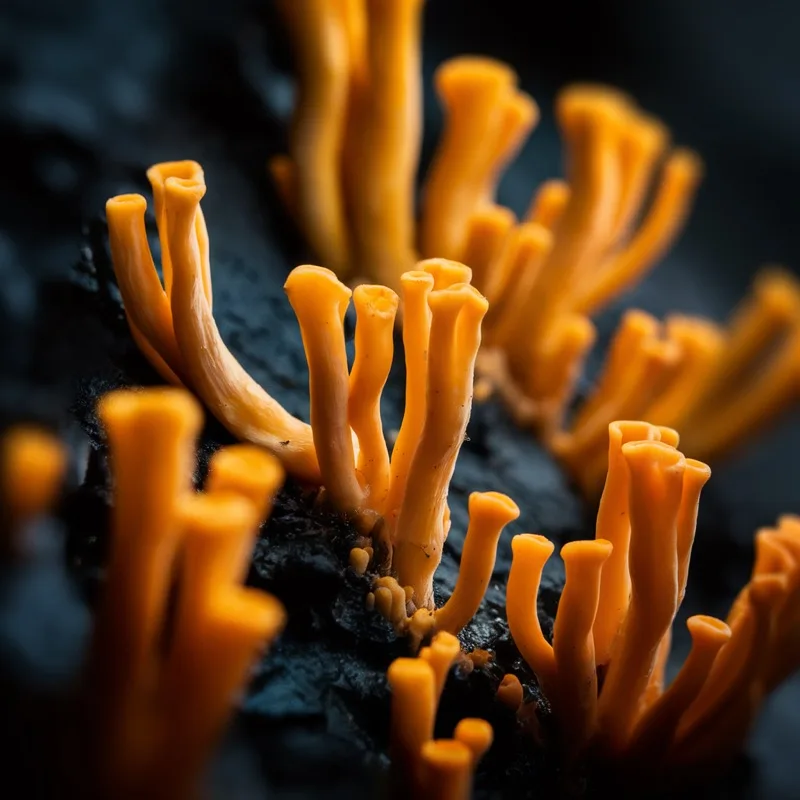
Cordyceps militaris
Cordyceps militaris is a parasitic ascomycete fungus belonging to the phylum Ascomycota, which primarily grows on the pupae of insects in the Northern Hemisphere. It is characterized by its bright orange-red, club-shaped fruiting body that emerges from the deceased host. This fungus is a source of several bioactive compounds, most notably cordycepin (3'-deoxyadenosine) and adenosine, which are nucleoside analogs with demonstrated effects on cellular energy metabolism, oxygen utilization, and anti-inflammatory pathways.
Click anywhere or press Escape to close