

$24.99 $24.99/serving
View Review
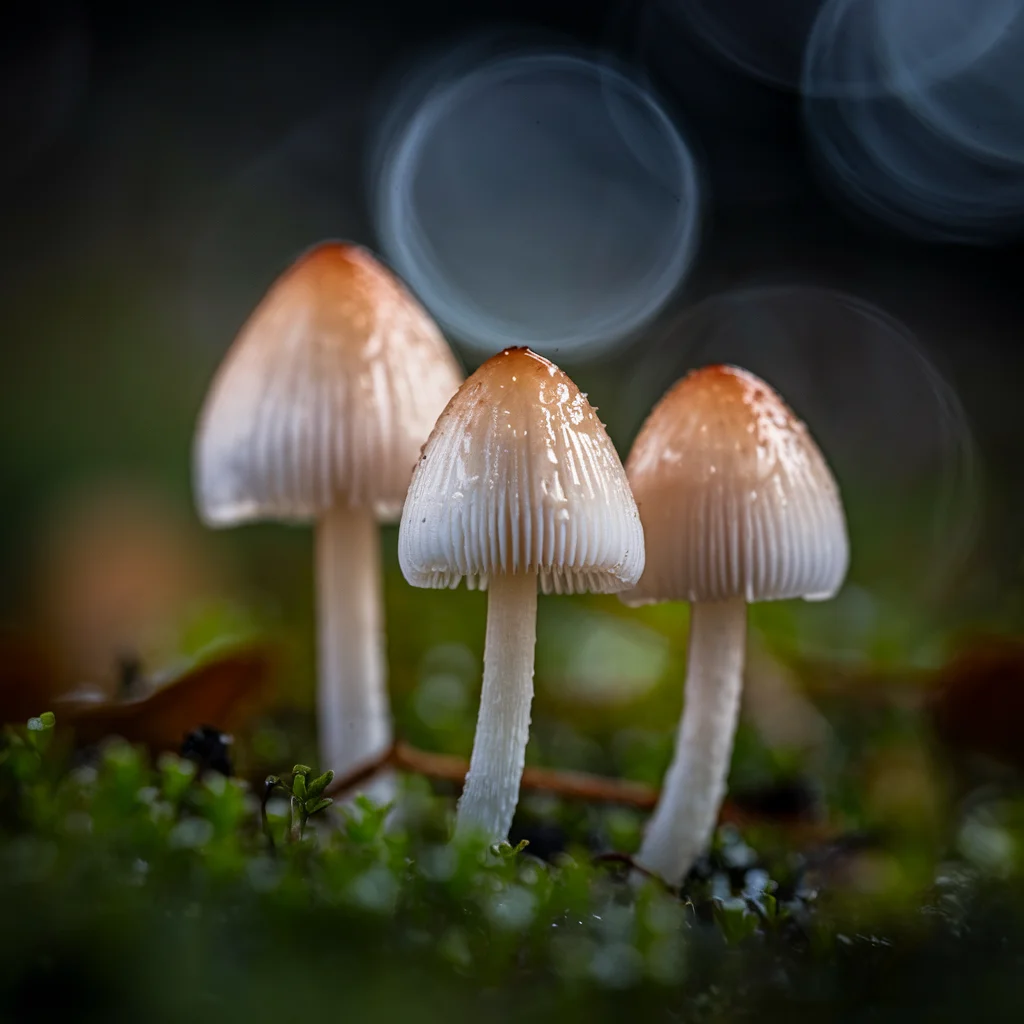
Psilocybe semilanceata

Board-Certified Physician · Medical Reviewer · Last Reviewed February 25, 2026
Latin Name
Psilocybe semilanceata
Research Level
Extensive
Popularity
#30 Ranked
Cited Studies
3 References
Psilocybe semilanceata is a saprotrophic psilocybin-containing mushroom of the family Hymenogastraceae, widely regarded as the most common and abundant wild psilocybin species in Europe and the British Isles. It is characterized by its small size (cap diameter 5–25 mm), distinctive conical to bell-shaped pileus with a pronounced papilla (nipple-like protrusion) at the apex, hygrophanous coloration ranging from chestnut brown when moist to pale straw-yellow when dry, and a thin, flexuous stipe (4–10 cm). P. semilanceata fruits in autumn (September–November) in acidic, nutrient-poor grasslands, particularly sheep and cattle pastures, across temperate regions of Europe, North America, and parts of Australasia. It was one of the first psilocybin species identified by Albert Hofmann in 1963 and contains psilocybin concentrations of 0.2–2.37% dry weight, making it moderately to highly potent. It is the most culturally significant psilocybin mushroom in European tradition.
The Liberty Cap is arguably the most iconic wild psilocybin mushroom in Europe. Small, elegant, and unmistakable with its pointed, nipple-topped cap, Psilocybe semilanceata has been part of European culture — knowingly or unknowingly — for centuries. It was one of the first psilocybin species ever scientifically identified, analyzed by Albert Hofmann (the discoverer of LSD) in 1963, and remains the most commonly encountered wild psilocybin mushroom across the British Isles, Scandinavia, and continental Europe.
Liberty Caps fruit in autumn, typically from September through November, in acidic grasslands — particularly sheep and cattle pastures, parklands, and meadows. They are small mushrooms, with caps rarely exceeding 2.5 cm in diameter, but what they lack in size they make up for in potency. Psilocybin concentrations can reach up to 2.37% of dry weight in some specimens, placing them among the more potent Psilocybe species. A typical dose for a moderate experience is 1–2 grams of dried mushrooms, though potency varies significantly between individual specimens and locations.
The cultural significance of Liberty Caps in Europe cannot be overstated. They are the psilocybin mushroom that most European users first encounter, whether through deliberate foraging or accidental discovery. The UK's "magic mushroom season" in autumn is a well-known cultural phenomenon, and Liberty Caps have been the subject of extensive mycological research, harm reduction guidance, and legal debate across European countries.
Identification of Liberty Caps requires careful attention to detail. The key features are: a conical to bell-shaped cap with a distinctive pointed papilla (nipple) at the top; hygrophanous coloration that changes from chestnut brown when wet to pale straw when dry; a thin, wavy stem; and dark purple-brown spore print. They grow in grass, never on wood or dung. Critically, several potentially dangerous lookalike species exist, including some Conocybe and Galerina species — accurate identification is essential for safety.
Liberty Caps are not commercially cultivated or sold as a product. Unlike Psilocybe cubensis (which can be grown indoors on various substrates) or psilocybin truffles (which are sold legally in Dutch smartshops), Liberty Caps are exclusively a wild species that has resisted all commercial cultivation attempts. They require specific grassland conditions, symbiotic relationships with grass roots, and particular climate patterns that cannot be replicated commercially.
For harm reduction purposes: Liberty Caps should only be consumed by those in jurisdictions where psilocybin is legal or decriminalized. Accurate identification by an experienced forager is essential — never consume wild mushrooms based solely on photographs or descriptions. Start with a low dose to assess individual sensitivity. Have a trusted, sober companion present. Choose a comfortable, familiar environment. And remember that set (your mindset) and setting (your environment) are the most important factors in determining the quality of a psilocybin experience.
Verified supplements featuring Liberty Cap — ranked by quality and value
Based on available research evidence
Based on available research evidence
Based on available research evidence
Based on available research evidence
Based on available research evidence
⚠️ Important: These statements have not been evaluated by the FDA. Functional mushrooms are not intended to diagnose, treat, cure, or prevent any disease. Consult with a healthcare provider before starting any new supplement.
The primary psychoactive prodrug in magic mushrooms. Converted to psilocin in the body, it activates serotonin 5-HT2A receptors, producing altered perception and consciousness. Breakthrough therapy designation from FDA for treatment-resistant depression.
The pharmacologically active metabolite of psilocybin. Directly binds serotonin receptors to produce psychedelic effects including visual changes, emotional openness, and neuroplasticity.
A psilocybin analog found in magic mushrooms. Thought to modulate the psychedelic experience, potentially contributing to the "entourage effect" of whole mushroom preparations.
A demethylated analog of psilocybin. Its pharmacological role is still being studied, but it may contribute to the overall psychoactive profile of psilocybin mushrooms.
Liberty Cap has been used in traditional medicine systems for centuries, particularly in Traditional Chinese Medicine (TCM) and other Asian healing practices.
📖 Historical Context: Traditional use does not guarantee efficacy or safety. Modern research is ongoing to validate traditional claims and understand mechanisms of action.
Liberty Cap has been extensively studied in both preclinical and clinical research. Multiple human trials have investigated its potential benefits.
Research Areas: Studies have focused on psilocybin source, spiritual experience, mood enhancement, and other potential applications. Results are promising but more high-quality human trials are needed.
The following studies have been reviewed and cited by our medical team to support the claims on this page.
Guzmán, G. (2005). Species diversity of the genus Psilocybe (Basidiomycotina, Agaricales, Strophariaceae) in the world mycobiota, with special attention to hallucinogenic properties. International Journal of Medicinal Mushrooms, 7(1-2), 305-331.
This comprehensive taxonomic review by the world's leading Psilocybe authority documented P. semilanceata as one of the most widely distributed and commonly encountered psilocybin species globally, with particular abundance across European grasslands.
Gartz, J. (1994). Extraction and analysis of indole derivatives from fungal biomass. Journal of Basic Microbiology, 34(1), 17-22.
This analytical chemistry study quantified psilocybin, psilocin, and baeocystin concentrations in P. semilanceata specimens, establishing the chemical basis for its psychoactive properties and documenting significant variation in potency between specimens.
van Amsterdam, J., Opperhuizen, A., & van den Brink, W. (2011). Harm potential of magic mushroom use: a review. Regulatory Toxicology and Pharmacology, 59(3), 423-429.
This harm assessment review evaluated the safety profile of psilocybin mushrooms including P. semilanceata, concluding that the overall harm potential is low compared to other psychoactive substances, with the primary risks being psychological distress in unprepared users and misidentification of wild specimens.
📋 Methodology: References are sourced from PubMed, major mycology journals, and peer-reviewed medical literature. Each entry is reviewed by Dr. Igor I. Bussel, M.D. for accuracy and clinical relevance.
Board-Certified Physician · Medical Reviewer
Board-certified physician affiliated with UC Irvine, the Gavin Herbert Eye Institute, and the UCI School of Medicine. Dr. Bussel reviews all mushroom encyclopedia entries for scientific accuracy, ensuring claims are supported by peer-reviewed research.
Last reviewed: February 25, 2026
Discover more functional mushroom species
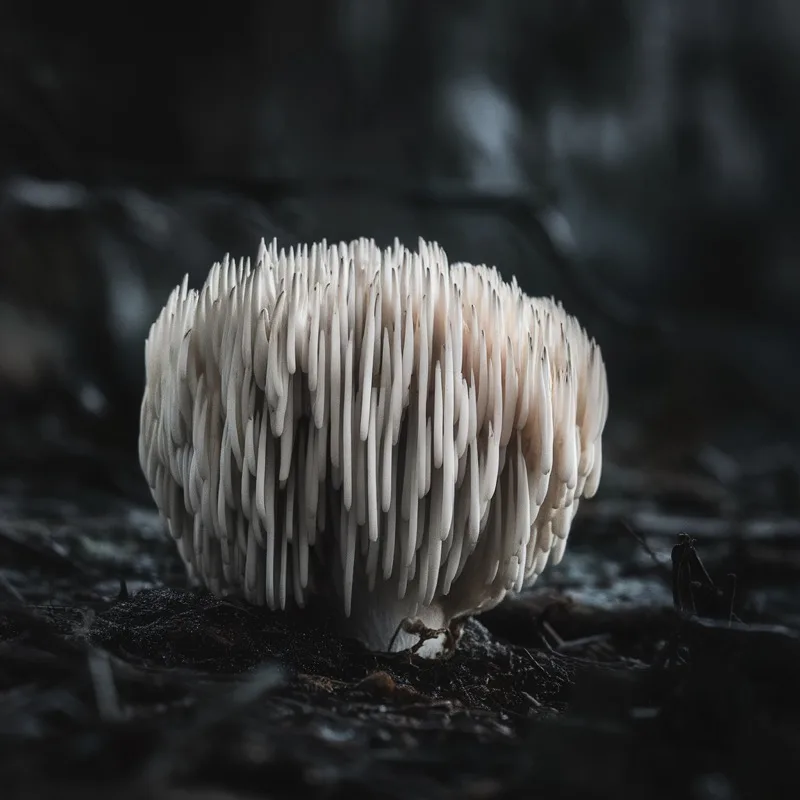
Hericium erinaceus
Hericium erinaceus is a saprotrophic fungus of the family Hericiaceae, commonly found on dead or wounded hardwood trees in North America, Europe, and Asia. Its morphology is characterized by a large, irregular, bulbous fruiting body with long, dangling spines, lacking a distinct cap or stipe. Key pharmacological properties are attributed to its unique bioactive compounds, including hericenones and erinacines, which have demonstrated neuroprotective and neurotrophic effects by stimulating nerve growth factor (NGF) synthesis in preclinical and clinical studies.
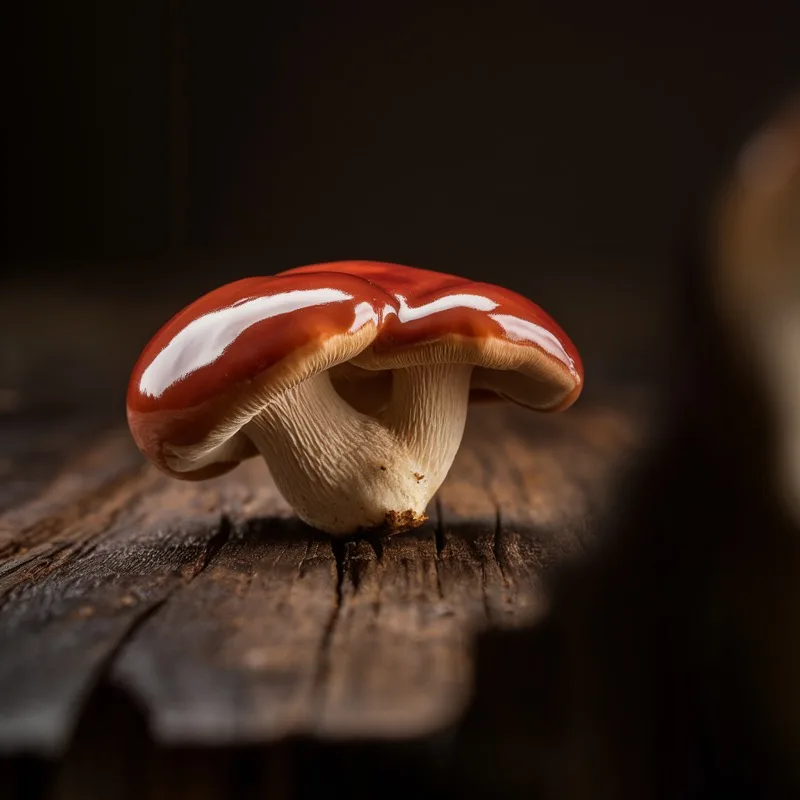
Ganoderma lucidum
Ganoderma lucidum is a polypore basidiomycetous fungus belonging to the family Ganodermataceae, characterized by its laccate cap surface and double-walled basidiospores. This large, woody mushroom thrives in hot and humid subtropical climates, growing on decaying hardwood, and is identified by its distinct red-varnished, fan-like or kidney-shaped cap. Its key pharmacological properties include immunomodulation, hepatoprotection, and adaptogenic effects, primarily mediated by its rich content of polysaccharides and over 130 identified triterpenoid compounds.
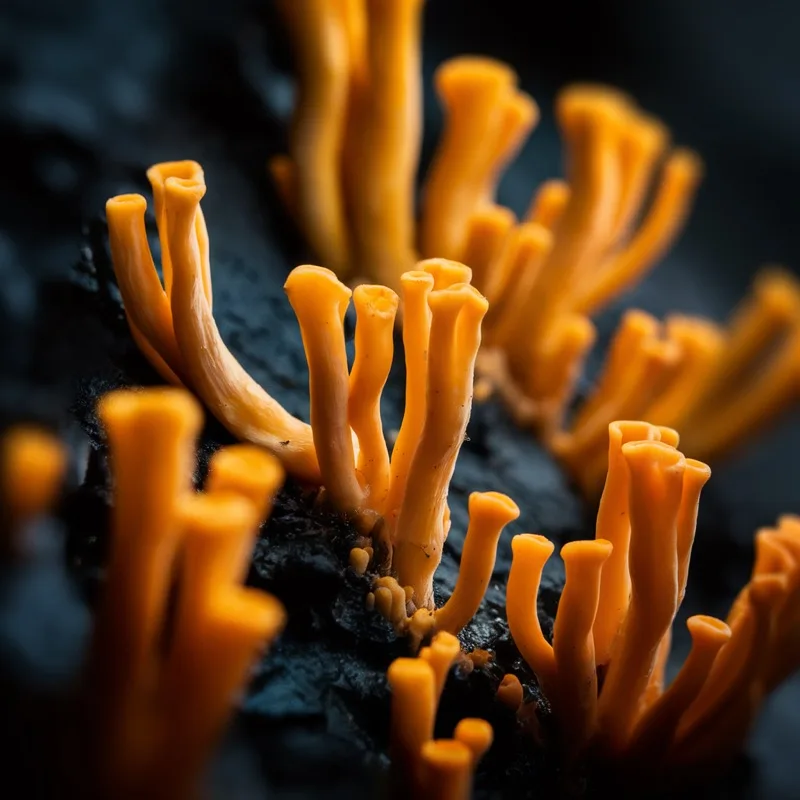
Cordyceps militaris
Cordyceps militaris is a parasitic ascomycete fungus belonging to the phylum Ascomycota, which primarily grows on the pupae of insects in the Northern Hemisphere. It is characterized by its bright orange-red, club-shaped fruiting body that emerges from the deceased host. This fungus is a source of several bioactive compounds, most notably cordycepin (3'-deoxyadenosine) and adenosine, which are nucleoside analogs with demonstrated effects on cellular energy metabolism, oxygen utilization, and anti-inflammatory pathways.
Click anywhere or press Escape to close