

$39.99 $0.89/serving
View Review
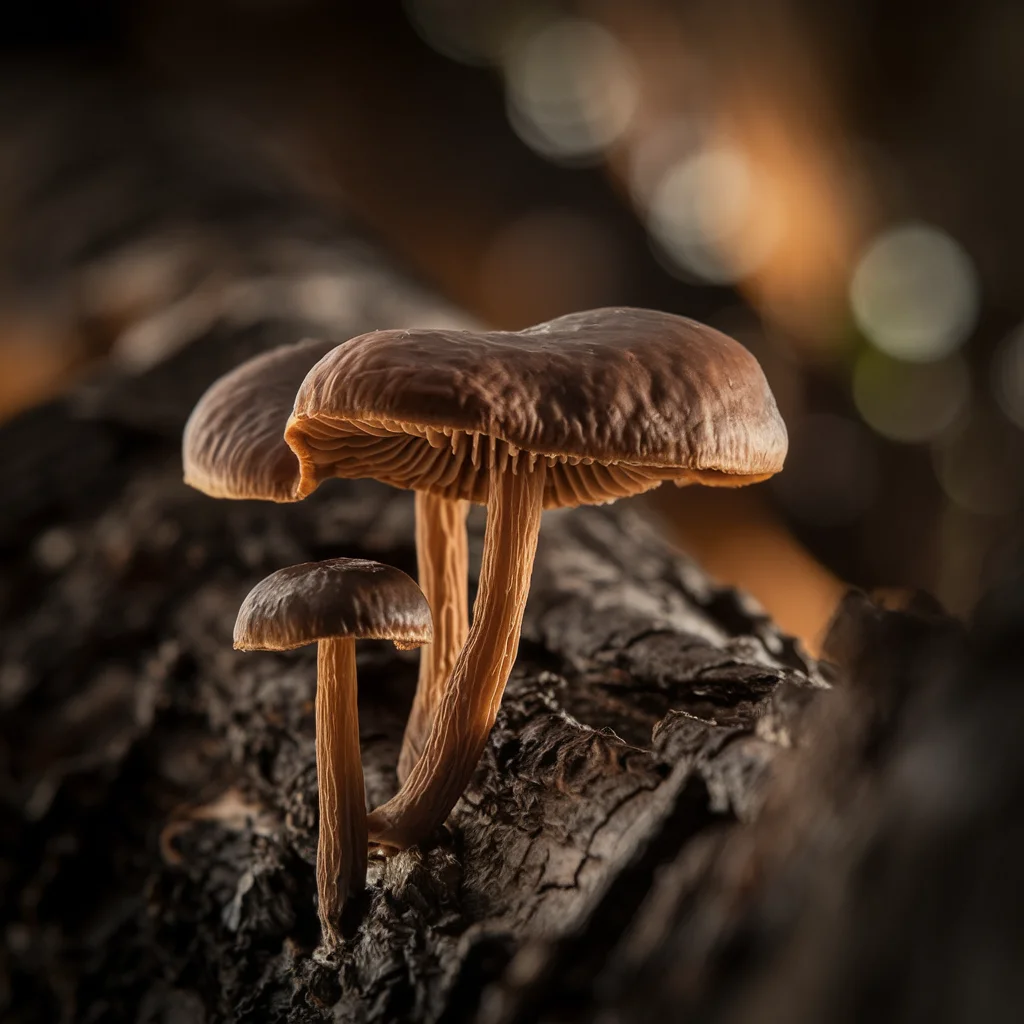
Phellinus linteus

Board-Certified Physician · Medical Reviewer · Last Reviewed February 25, 2026
Latin Name
Phellinus linteus
Research Level
Extensive
Popularity
#23 Ranked
Cited Studies
3 References
Phellinus linteus is a perennial polypore fungus of the family Hymenochaetaceae, forming large, woody, hoof-shaped basidiocarps on the trunks of living and dead hardwood trees, particularly mulberry (Morus spp.). The fruiting body is characterized by a dark brown to black upper surface with concentric zonation, a golden-yellow to brown pore surface, and extremely hard, woody tissue. Known as Meshima (women's island) in Japan, Sang-Hwang in Korea, and Song Gen in China, it has been used in East Asian traditional medicine for centuries. P. linteus has become one of the most intensively studied medicinal mushrooms in East Asian oncology, with over 100 published studies documenting its immunomodulatory, anti-tumor, anti-inflammatory, and antioxidant properties, primarily attributed to hispolon (a polyphenol), proteoglycans, and high-molecular-weight polysaccharides.
Meshima is a dark, woody bracket fungus that grows on mulberry trees and has become one of the most intensively researched medicinal mushrooms in the world, particularly in Japan and Korea. Its Japanese name, Meshima, means "women's island" — a reference to Meshima Island in Nagasaki Prefecture where the mushroom was traditionally harvested. In Korea, it is called Sang-Hwang and has been used for centuries as a traditional remedy for various ailments, particularly those related to immune function.
What sets Meshima apart from other medicinal mushrooms is the depth and focus of its research base. Over 100 published studies have investigated its properties, with particular attention to its immunomodulatory and anti-cancer potential. Korean and Japanese researchers have documented its ability to activate multiple arms of the immune system — macrophages, natural killer cells, T-cells, and dendritic cells — making it one of the most potent immune-stimulating mushrooms studied to date. Memorial Sloan Kettering Cancer Center maintains a dedicated monograph on Phellinus linteus, acknowledging the significant body of preclinical evidence.
Traditionally, Meshima was prized in Korean and Japanese folk medicine as a tonic for women's health and general vitality. Korean practitioners used it to support patients undergoing conventional medical treatments, and it remains widely used as a complementary health approach in East Asian countries. The mushroom's long history of safe use in traditional medicine has contributed to its acceptance in modern integrative health practices.
Meshima supplements are available primarily in capsule and extract form. Mushroom Wisdom (a well-known medicinal mushroom brand) sells dedicated Meshima products, and FreshCap lists Phellinus as one of its key mushroom species. The extract is also found in some premium multi-mushroom immune support formulas. Typical dosages range from 500 mg to 2,000 mg per day of standardized extract.
When selecting a Meshima supplement, look for products standardized to polysaccharide or beta-glucan content, as these are the primary bioactive compounds. Hot water extraction is the standard method for Meshima, as its woody fruiting body requires intensive processing to release the beneficial compounds. Products from reputable brands with third-party testing are recommended, as the mushroom's relative obscurity in Western markets means quality can vary significantly.
Meshima combines well with other immune-supporting mushrooms like turkey tail, maitake, and reishi for a comprehensive immune support protocol. Some practitioners recommend it alongside conventional health approaches, though it is important to consult with a healthcare provider before combining any supplement with medical treatments. While Meshima may not yet have the mainstream recognition of lion's mane or reishi, its research profile makes it one of the most scientifically compelling medicinal mushrooms available.
Verified supplements featuring Meshima — ranked by quality and value


Host Defense
Based on available research evidence
Based on available research evidence
Based on available research evidence
Based on available research evidence
Based on available research evidence
⚠️ Important: These statements have not been evaluated by the FDA. Functional mushrooms are not intended to diagnose, treat, cure, or prevent any disease. Consult with a healthcare provider before starting any new supplement.
Bioactive compound with potential health benefits. Consult scientific literature for detailed information.
Complex carbohydrates that may support immune health and gut function.
Bioactive compound with potential health benefits. Consult scientific literature for detailed information.
Bioactive compound with potential health benefits. Consult scientific literature for detailed information.
Meshima has been used in traditional medicine systems for centuries, particularly in Traditional Chinese Medicine (TCM) and other Asian healing practices.
📖 Historical Context: Traditional use does not guarantee efficacy or safety. Modern research is ongoing to validate traditional claims and understand mechanisms of action.
Meshima has been extensively studied in both preclinical and clinical research. Multiple human trials have investigated its potential benefits.
Research Areas: Studies have focused on immune modulation, anti-cancer research, anti-inflammatory, and other potential applications. Results are promising but more high-quality human trials are needed.
The following studies have been reviewed and cited by our medical team to support the claims on this page.
Zhu, T., Kim, S. H., & Chen, C. Y. (2008). A medicinal mushroom: Phellinus linteus. Current Medicinal Chemistry, 15(13), 1330-1335.
This review summarized the extensive pharmacological research on P. linteus, documenting its potent immunomodulatory effects through activation of macrophages, NK cells, and T-cells, as well as direct anti-tumor mechanisms including apoptosis induction and angiogenesis inhibition.
Kim, G. Y., Park, S. K., Lee, M. K., Lee, S. H., Oh, Y. H., Kwak, J. Y., Yoon, S., Lee, J. D., & Park, Y. M. (2003). Proteoglycan isolated from Phellinus linteus induces toll-like receptors 2- and 4-mediated maturation of murine dendritic cells via activation of ERK, p38, and NF-kappaB. Biological and Pharmaceutical Bulletin, 26(10), 1365-1369.
This study identified the molecular mechanism by which P. linteus proteoglycans activate dendritic cells through toll-like receptor signaling, providing mechanistic evidence for its potent immune-stimulating properties used in traditional cancer support.
Sliva, D. (2010). Medicinal mushroom Phellinus linteus as an alternative cancer therapy. Experimental and Therapeutic Medicine, 1(3), 407-411.
This review evaluated the evidence for P. linteus as an adjunctive cancer therapy, documenting its ability to inhibit tumor growth, metastasis, and angiogenesis across multiple cancer cell lines while enhancing the efficacy of conventional chemotherapy drugs.
📋 Methodology: References are sourced from PubMed, major mycology journals, and peer-reviewed medical literature. Each entry is reviewed by Dr. Igor I. Bussel, M.D. for accuracy and clinical relevance.
Board-Certified Physician · Medical Reviewer
Board-certified physician affiliated with UC Irvine, the Gavin Herbert Eye Institute, and the UCI School of Medicine. Dr. Bussel reviews all mushroom encyclopedia entries for scientific accuracy, ensuring claims are supported by peer-reviewed research.
Last reviewed: February 25, 2026
Discover more functional mushroom species
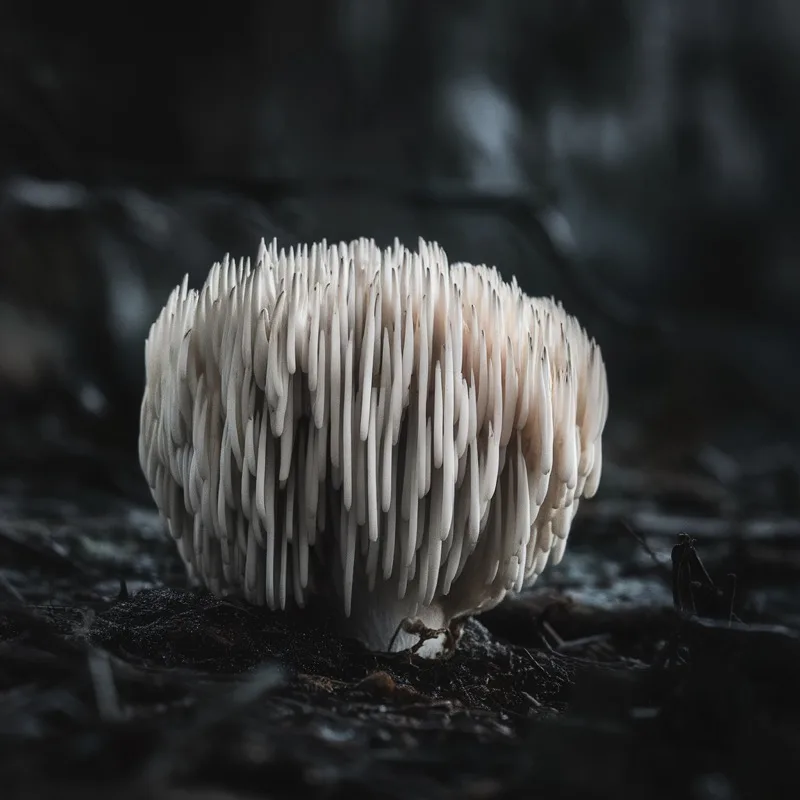
Hericium erinaceus
Hericium erinaceus is a saprotrophic fungus of the family Hericiaceae, commonly found on dead or wounded hardwood trees in North America, Europe, and Asia. Its morphology is characterized by a large, irregular, bulbous fruiting body with long, dangling spines, lacking a distinct cap or stipe. Key pharmacological properties are attributed to its unique bioactive compounds, including hericenones and erinacines, which have demonstrated neuroprotective and neurotrophic effects by stimulating nerve growth factor (NGF) synthesis in preclinical and clinical studies.
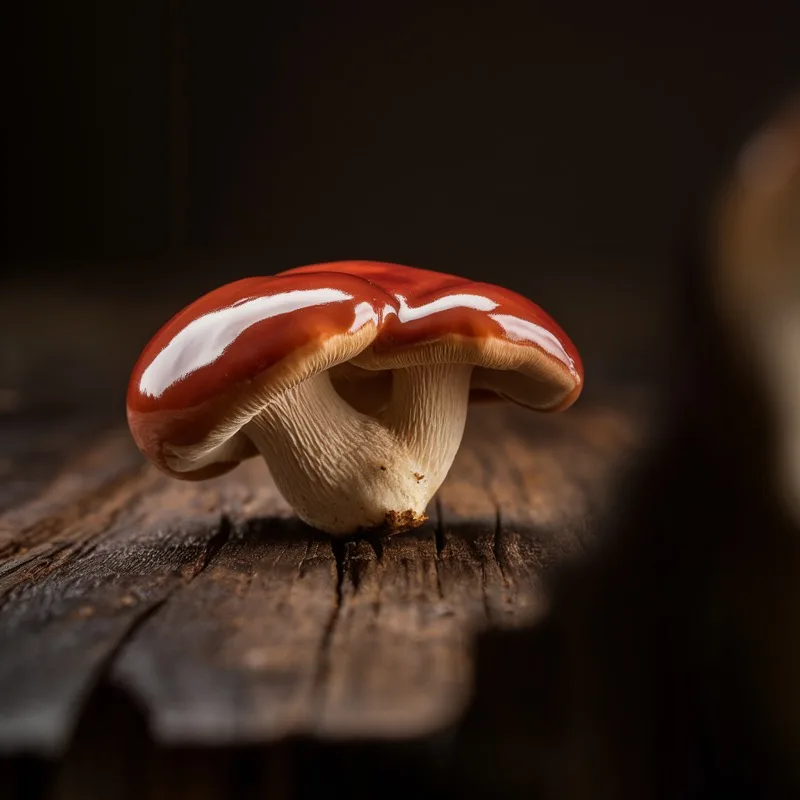
Ganoderma lucidum
Ganoderma lucidum is a polypore basidiomycetous fungus belonging to the family Ganodermataceae, characterized by its laccate cap surface and double-walled basidiospores. This large, woody mushroom thrives in hot and humid subtropical climates, growing on decaying hardwood, and is identified by its distinct red-varnished, fan-like or kidney-shaped cap. Its key pharmacological properties include immunomodulation, hepatoprotection, and adaptogenic effects, primarily mediated by its rich content of polysaccharides and over 130 identified triterpenoid compounds.
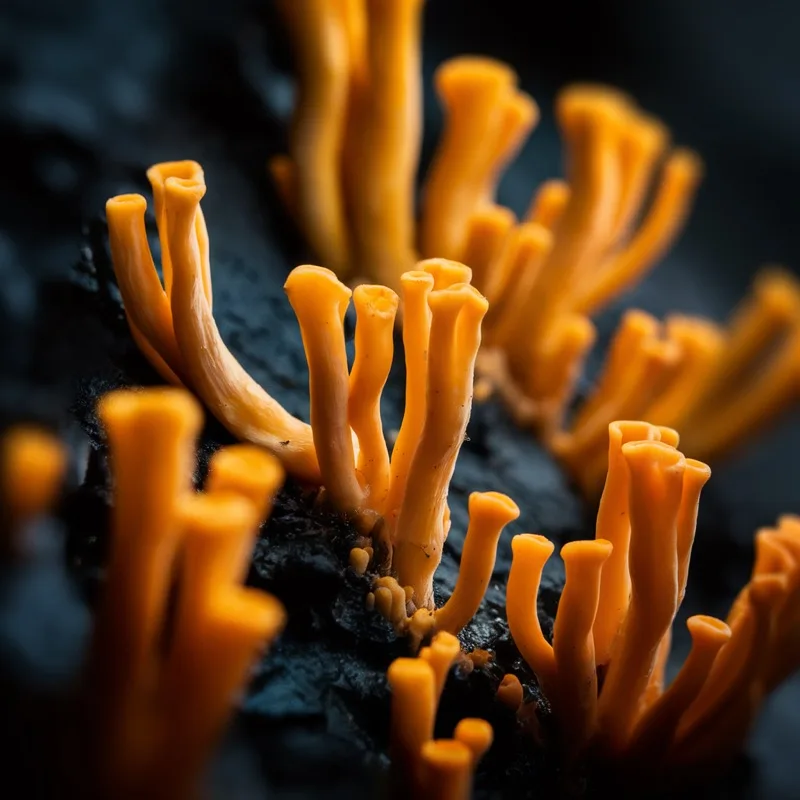
Cordyceps militaris
Cordyceps militaris is a parasitic ascomycete fungus belonging to the phylum Ascomycota, which primarily grows on the pupae of insects in the Northern Hemisphere. It is characterized by its bright orange-red, club-shaped fruiting body that emerges from the deceased host. This fungus is a source of several bioactive compounds, most notably cordycepin (3'-deoxyadenosine) and adenosine, which are nucleoside analogs with demonstrated effects on cellular energy metabolism, oxygen utilization, and anti-inflammatory pathways.
Click anywhere or press Escape to close