

$34.99 $0.58/serving
View Review
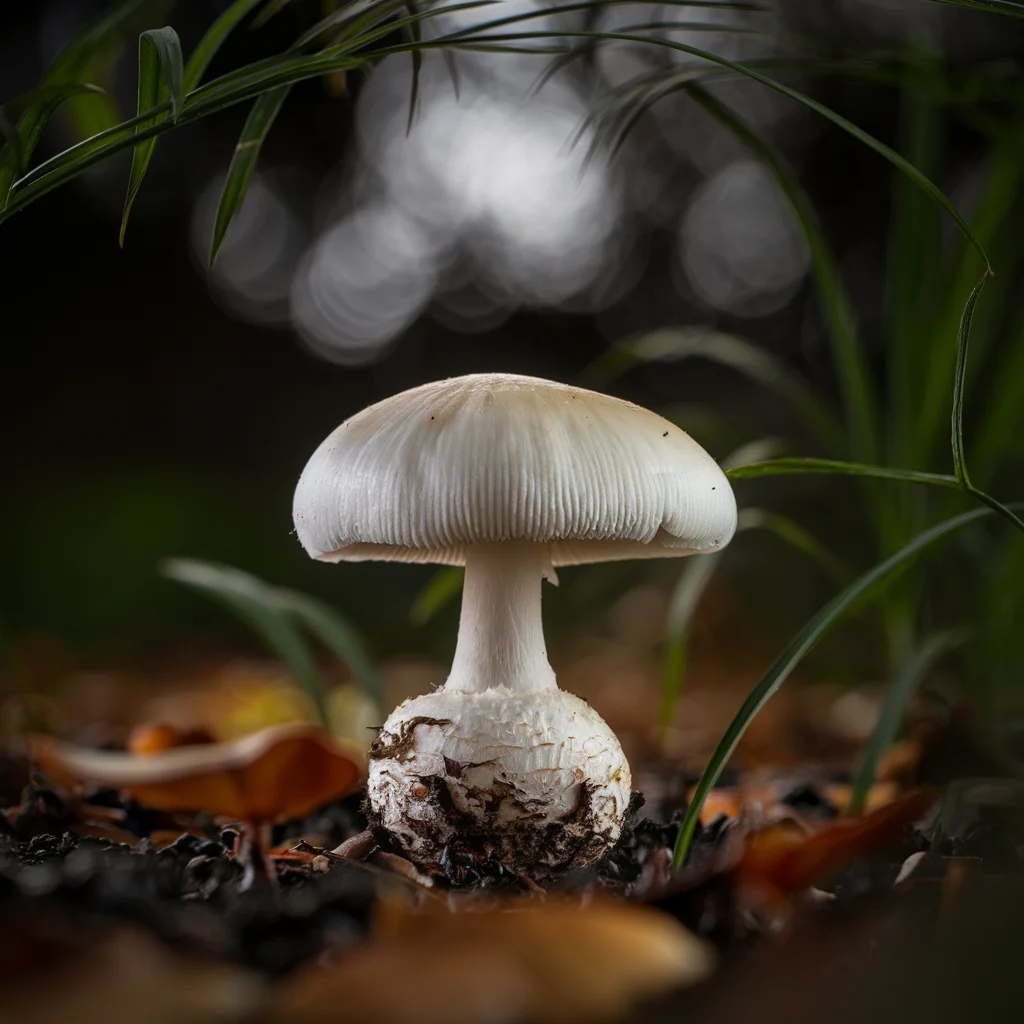
Lignosus rhinocerus

Board-Certified Physician · Medical Reviewer · Last Reviewed February 25, 2026
Latin Name
Lignosus rhinocerus
Research Level
Emerging
Popularity
#28 Ranked
Cited Studies
3 References
Lignosus rhinocerus is a rare polypore fungus of the family Polyporaceae, endemic to tropical rainforests of Southeast Asia, particularly Peninsular Malaysia, southern Thailand, and parts of Indonesia. It produces a distinctive fruiting body consisting of a centrally stipitate pileus (cap) arising from a large, underground sclerotium (tuber) that serves as the primary medicinal part. The common name derives from a Malaysian legend that the mushroom grows where tiger's milk has dripped onto the ground. L. rhinocerus has been used by indigenous Orang Asli communities in Malaysia for generations as a traditional remedy for coughs, asthma, bronchitis, and other respiratory ailments. The Malaysian government has designated it a national treasure and invested significantly in its research and cultivation. Key bioactive compounds include high-molecular-weight polysaccharide-protein complexes with demonstrated immunomodulatory, anti-inflammatory, and anti-asthmatic properties.
Tiger Milk Mushroom is one of Southeast Asia's most prized traditional medicines, used by Malaysia's indigenous Orang Asli communities for generations to treat respiratory ailments. Its evocative name comes from a Malaysian legend that the mushroom sprouts wherever a tigress's milk falls to the forest floor. In reality, it grows from a large underground tuber (sclerotium) in tropical rainforests, producing a single mushroom with a white cap on a central stalk — a sight so rare in the wild that the Malaysian government has designated it a national treasure.
The primary traditional use of Tiger Milk Mushroom is for respiratory health. Malaysian indigenous healers have prescribed it for coughs, asthma, bronchitis, and general lung support for centuries. Modern research has validated these traditional applications, with studies showing that extracts of the sclerotium have significant anti-inflammatory effects — in some tests comparable to pharmaceutical anti-inflammatory drugs. The mushroom's polysaccharide-protein complexes appear to modulate the immune response in ways that reduce airway inflammation without suppressing overall immune function.
The Malaysian government has invested substantially in Tiger Milk Mushroom research and cultivation. The mushroom was historically so rare that finding a wild specimen was considered a stroke of great fortune. Today, successful cultivation techniques have been developed, making the mushroom available as a commercial supplement. Malaysian researchers have published numerous studies on its properties, and it has become a source of national scientific pride.
Tiger Milk Mushroom supplements are available primarily in capsule and powder form, with the sclerotium (underground tuber) being the part used medicinally. The supplement market is largest in Malaysia and Southeast Asia, but products are increasingly available internationally through online retailers. Typical dosages range from 500 mg to 1,500 mg per day of sclerotium extract.
When selecting a Tiger Milk Mushroom supplement, look for products that use the sclerotium rather than the fruiting body, as the sclerotium is the traditionally used and most researched part. Products from Malaysian manufacturers may offer the most authentic formulations, given the mushroom's cultural and scientific heritage in that country. Third-party testing for identity and purity is important, as the mushroom's rarity has historically made adulteration a concern.
Tiger Milk Mushroom can be combined with other respiratory-supporting supplements like NAC, quercetin, or reishi mushroom for comprehensive lung and airway support. It is also sometimes paired with other immune-modulating mushrooms like turkey tail or maitake. While it remains relatively unknown in Western markets, Tiger Milk Mushroom's strong traditional evidence base and growing modern research make it one of the most promising emerging medicinal mushrooms for respiratory health applications.
Verified supplements featuring Tiger Milk Mushroom — ranked by quality and value
Based on available research evidence
Based on available research evidence
Based on available research evidence
Based on available research evidence
Based on available research evidence
⚠️ Important: These statements have not been evaluated by the FDA. Functional mushrooms are not intended to diagnose, treat, cure, or prevent any disease. Consult with a healthcare provider before starting any new supplement.
Complex carbohydrates that may support immune health and gut function.
Bioactive compound with potential health benefits. Consult scientific literature for detailed information.
Bioactive compound with potential health benefits. Consult scientific literature for detailed information.
Bioactive compound with potential health benefits. Consult scientific literature for detailed information.
Tiger Milk Mushroom has been used in traditional medicine systems for centuries, particularly in Traditional Chinese Medicine (TCM) and other Asian healing practices.
📖 Historical Context: Traditional use does not guarantee efficacy or safety. Modern research is ongoing to validate traditional claims and understand mechanisms of action.
Tiger Milk Mushroom is an emerging area of research with growing scientific interest. Early studies show promise but more research is needed.
Research Areas: Studies have focused on respiratory health, cough relief, immune support, and other potential applications. Results are promising but more high-quality human trials are needed.
The following studies have been reviewed and cited by our medical team to support the claims on this page.
Tan, C. S., Ng, S. T., Vikineswary, S., Lo, F. P., & Tee, C. S. (2010). Genetic markers for identification of a Malaysian medicinal mushroom, Lignosus rhinocerus (Cendawan Susu Rimau). Acta Horticulturae, 859, 205-210.
This study developed genetic markers for authenticating L. rhinocerus, supporting quality control in the growing commercial market for this traditional Malaysian medicinal mushroom used primarily for respiratory health.
Lau, B. F., Abdullah, N., Aminudin, N., Lee, H. B., & Tan, P. J. (2015). Ethnomedicinal uses, pharmacological activities, and cultivation of Lignosus spp. (tiger's milk mushrooms) in Malaysia — A review. Journal of Ethnopharmacology, 169, 441-458.
This comprehensive ethnopharmacological review documented the traditional uses of L. rhinocerus by Malaysian indigenous communities, confirmed its anti-inflammatory and immunomodulatory properties through modern pharmacological studies, and described successful cultivation methods.
Lee, S. S., Tan, N. H., Fung, S. Y., Sim, S. M., Tan, C. S., & Ng, S. T. (2014). Anti-inflammatory effect of the sclerotium of Lignosus rhinocerotis (Cooke) Ryvarden, the Tiger Milk mushroom. BMC Complementary and Alternative Medicine, 14, 359.
This study demonstrated that cold water extract of L. rhinocerus sclerotium significantly reduced inflammation in both in vitro and in vivo models, with potency comparable to the anti-inflammatory drug indomethacin, validating its traditional use for respiratory inflammation.
📋 Methodology: References are sourced from PubMed, major mycology journals, and peer-reviewed medical literature. Each entry is reviewed by Dr. Igor I. Bussel, M.D. for accuracy and clinical relevance.
Board-Certified Physician · Medical Reviewer
Board-certified physician affiliated with UC Irvine, the Gavin Herbert Eye Institute, and the UCI School of Medicine. Dr. Bussel reviews all mushroom encyclopedia entries for scientific accuracy, ensuring claims are supported by peer-reviewed research.
Last reviewed: February 25, 2026
Discover more functional mushroom species
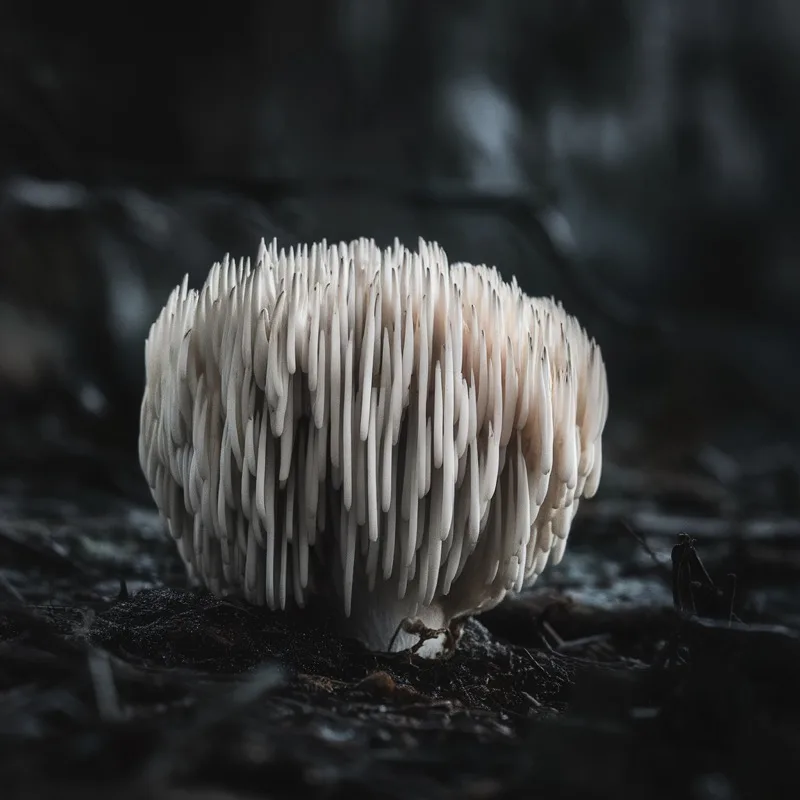
Hericium erinaceus
Hericium erinaceus is a saprotrophic fungus of the family Hericiaceae, commonly found on dead or wounded hardwood trees in North America, Europe, and Asia. Its morphology is characterized by a large, irregular, bulbous fruiting body with long, dangling spines, lacking a distinct cap or stipe. Key pharmacological properties are attributed to its unique bioactive compounds, including hericenones and erinacines, which have demonstrated neuroprotective and neurotrophic effects by stimulating nerve growth factor (NGF) synthesis in preclinical and clinical studies.
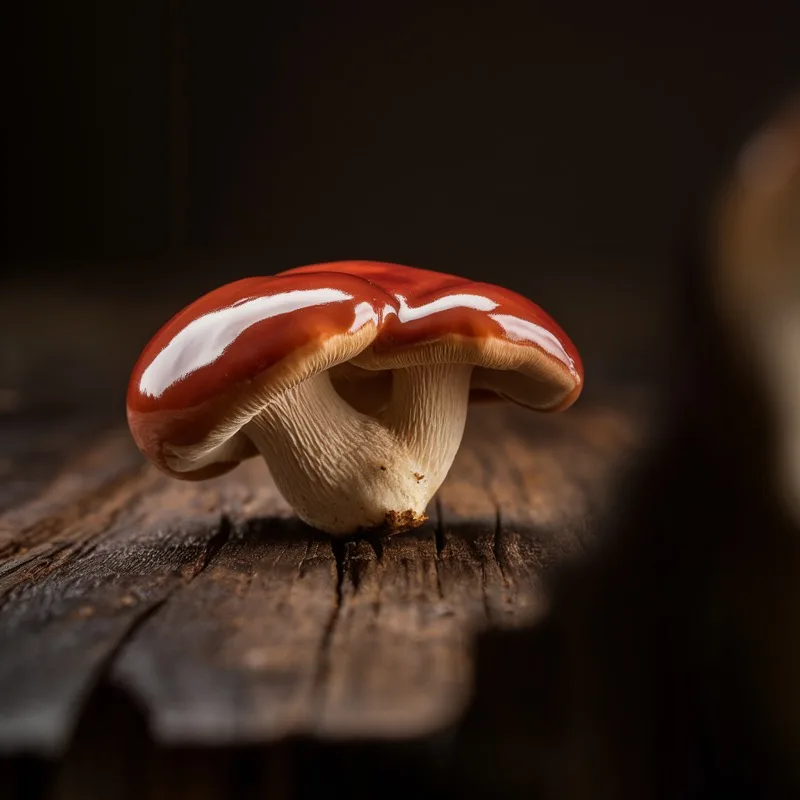
Ganoderma lucidum
Ganoderma lucidum is a polypore basidiomycetous fungus belonging to the family Ganodermataceae, characterized by its laccate cap surface and double-walled basidiospores. This large, woody mushroom thrives in hot and humid subtropical climates, growing on decaying hardwood, and is identified by its distinct red-varnished, fan-like or kidney-shaped cap. Its key pharmacological properties include immunomodulation, hepatoprotection, and adaptogenic effects, primarily mediated by its rich content of polysaccharides and over 130 identified triterpenoid compounds.
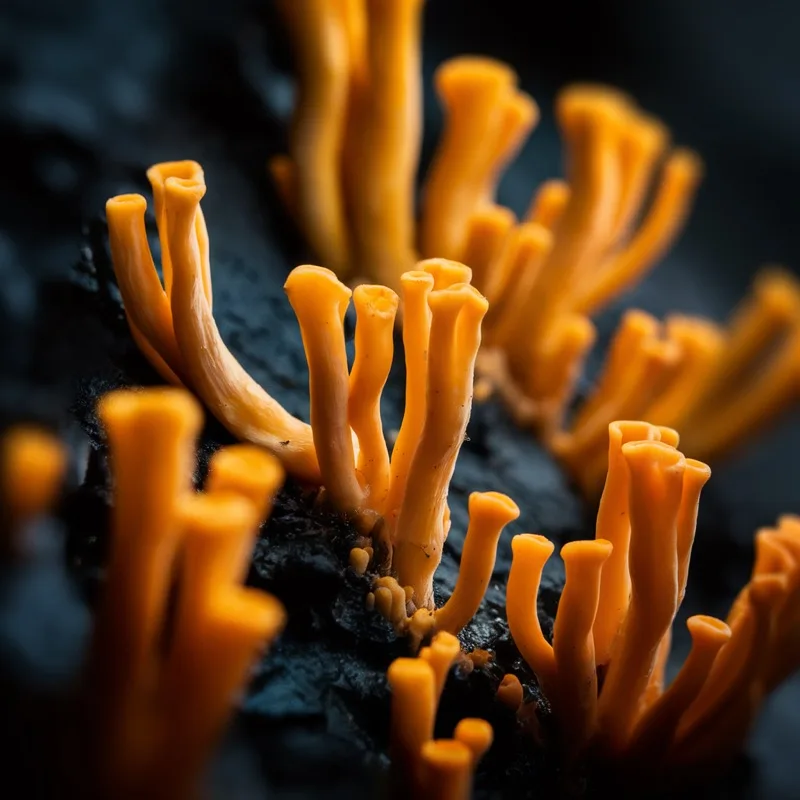
Cordyceps militaris
Cordyceps militaris is a parasitic ascomycete fungus belonging to the phylum Ascomycota, which primarily grows on the pupae of insects in the Northern Hemisphere. It is characterized by its bright orange-red, club-shaped fruiting body that emerges from the deceased host. This fungus is a source of several bioactive compounds, most notably cordycepin (3'-deoxyadenosine) and adenosine, which are nucleoside analogs with demonstrated effects on cellular energy metabolism, oxygen utilization, and anti-inflammatory pathways.
Click anywhere or press Escape to close