
The Complete Guide to Functional Mushrooms in 2026
Everything you need to know about the functional mushroom industry in 2026 — from lion's mane to reishi, what works, what doesn't, and how to choose the right supplement.

Board-Certified Physician · Medical Reviewer · Published February 10, 2026
📑 In This Article
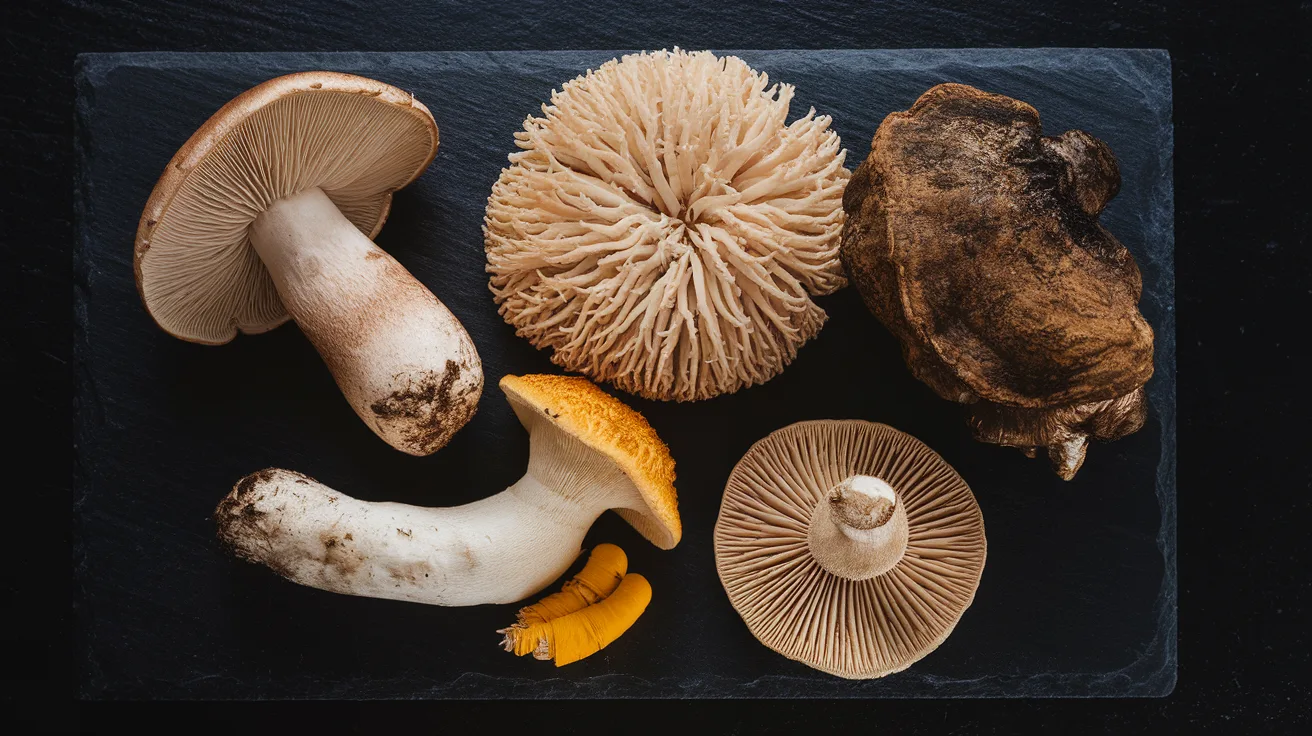
Functional mushrooms have officially crossed from niche health-food territory into the mainstream. In 2026, the global functional mushroom market is projected to exceed $35 billion, and if you've walked into any headshop, health food store, or even a gas station recently, you've probably noticed the explosion of mushroom-infused products lining the shelves.
But with popularity comes confusion. Not all mushroom supplements are created equal, and the difference between a high-quality extract and a glorified sawdust capsule can be enormous. This guide breaks down everything you need to know.
What Are Functional Mushrooms?
Functional mushrooms are species used not primarily for culinary purposes but for their bioactive compounds — beta-glucans, triterpenes, ergosterol derivatives, and other molecules that may support immune function, cognitive performance, energy, and stress resilience.
The term "functional" distinguishes these from psychoactive or "magic" mushrooms containing psilocybin. While there's some overlap in popular culture (and on store shelves), functional mushrooms like lion's mane, reishi, and cordyceps are legal everywhere and don't produce any psychedelic effects.
The Big Six: Mushrooms You'll See Everywhere
Lion's Mane (Hericium erinaceus)
The darling of the nootropic world. Lion's mane contains hericenones and erinacines — compounds that stimulate nerve growth factor (NGF) production. Research suggests benefits for cognitive function, memory, and potentially neuroprotection. It's the mushroom most often marketed for focus and brain health. Learn more about lion's mane in our encyclopedia.
Reishi (Ganoderma lucidum)
Known as the "mushroom of immortality" in traditional Chinese medicine, reishi is primarily used for stress relief, sleep support, and immune modulation. Its triterpene content gives it a distinctive bitter taste. Most people take reishi in the evening. Explore our reishi profile.
Cordyceps (Cordyceps militaris)
The energy and athletic performance mushroom. Cordyceps may improve oxygen utilization and ATP production, making it popular with athletes and anyone looking for a natural energy boost without caffeine jitters. Read more about cordyceps.
Chaga (Inonotus obliquus)
A powerhouse of antioxidants. Chaga grows on birch trees and has one of the highest ORAC (Oxygen Radical Absorbance Capacity) scores of any food. It's traditionally used for immune support and general wellness. See our chaga breakdown.
Turkey Tail (Trametes versicolor)
Perhaps the most researched functional mushroom for immune support. Turkey tail contains PSK (polysaccharide-K), which has been studied extensively in Japan as an adjunct cancer therapy. It's also one of the richest sources of beta-glucans. Turkey tail details here.
Maitake (Grifola frondosa)
Often overshadowed by the others, maitake ("dancing mushroom") has strong research behind its immune-modulating and blood sugar-regulating properties. It contains a unique beta-glucan called D-fraction.
How to Choose a Quality Mushroom Supplement
This is where most people get it wrong. The mushroom supplement market is plagued by low-quality products that use mycelium-on-grain (essentially ground-up rice colonized by mushroom mycelium) instead of actual fruiting body extracts.
Fruiting Body vs. Mycelium on Grain
The fruiting body is the actual mushroom — the part you'd recognize. It contains the highest concentrations of bioactive compounds. Mycelium-on-grain products often contain 50-70% starch filler from the grain substrate. Always look for "fruiting body" on the label.
Extraction Method Matters
Beta-glucans are locked inside chitin cell walls that humans can't digest. Hot water extraction breaks these walls open, making the compounds bioavailable. Dual extraction (hot water + alcohol) captures both water-soluble beta-glucans and alcohol-soluble triterpenes. Raw mushroom powder is largely useless.
Check the COA
A Certificate of Analysis (COA) from a third-party lab verifies the beta-glucan content, checks for heavy metals, pesticides, and microbial contamination. Any reputable brand will provide a COA on request or on their website. Read our guide on interpreting COAs.
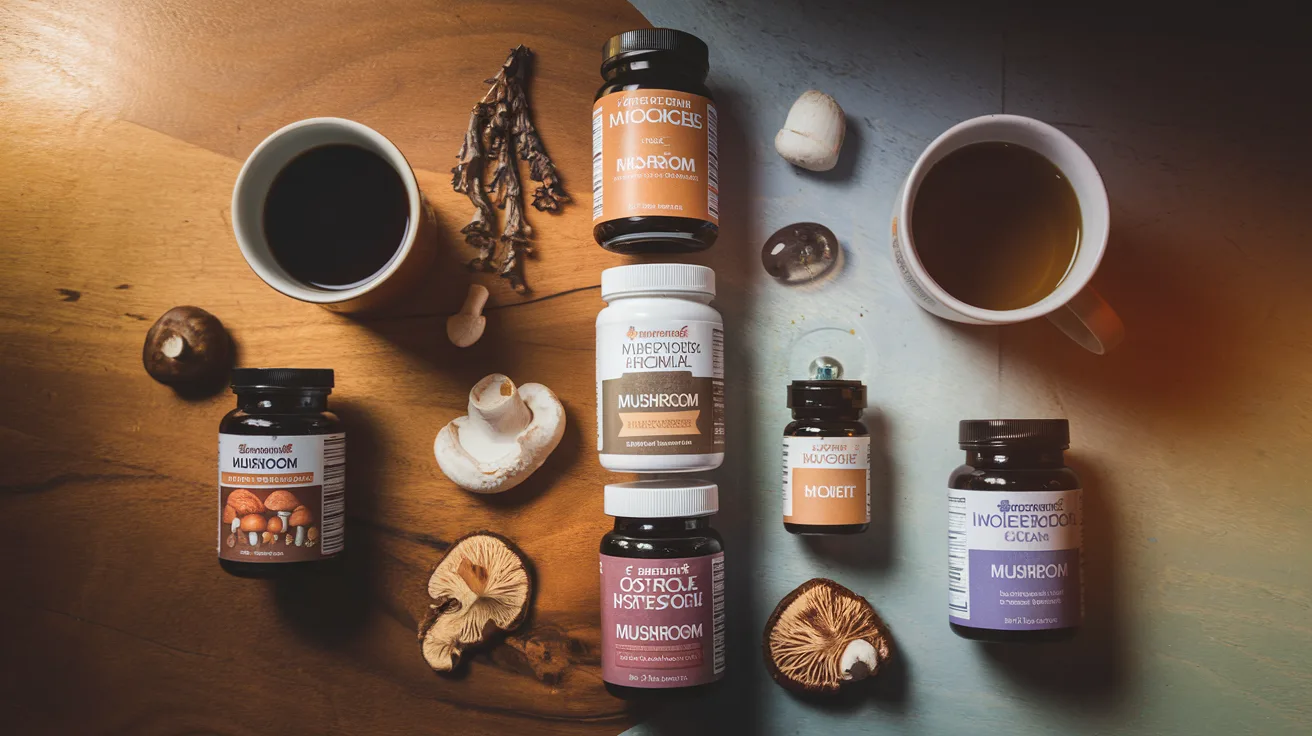
Product Formats: Gummies, Capsules, Powders, and More
The format you choose depends on your lifestyle and preferences:
- Gummies — Convenient and tasty, but check sugar content and actual mushroom dosage. Many gummies are under-dosed.
- Capsules — Easy to dose precisely. Look for veggie caps with no unnecessary fillers.
- Powders — Most versatile. Add to coffee, smoothies, or food. Usually the best value per serving.
- Tinctures — Fast absorption. Dual-extracted tinctures are ideal for reishi and chaga.
- Mushroom Coffee — A gateway product for many. Combines caffeine with functional mushrooms for balanced energy.
What the Science Actually Says
Let's be honest: while functional mushrooms have centuries of traditional use and promising preliminary research, most studies are in vitro (test tube) or in animal models. Human clinical trials are still limited, though growing rapidly.
The strongest human evidence exists for:
- Turkey tail PSK — Used as an approved adjunct therapy in Japan
- Lion's mane — A 2023 University of Queensland study confirmed it promotes nerve cell growth
- Cordyceps — Several small human trials show improved VO2 max and exercise performance
- Reishi — Moderate evidence for sleep quality improvement and immune modulation
Be wary of brands making disease-treatment claims. Functional mushrooms are supplements, not medicines.
Where to Buy
You can find mushroom supplements at local headshops and supplement stores, online retailers, and increasingly at mainstream pharmacies. For verified product comparisons with lab data, use our comparison tool to find the best option for your needs.
The Bottom Line
Functional mushrooms in 2026 represent one of the most exciting areas of natural supplementation. The key is being an informed consumer: prioritize fruiting body extracts, demand COAs, understand what each species actually does, and ignore the hype. Your brain, immune system, and wallet will thank you.
Ready to explore? Browse our Mushroom Encyclopedia for deep dives on every major species, or check out our brand directory for verified reviews.
Tags
Medically Reviewed By
Dr. Igor I. Bussel, M.D.
Board-certified physician affiliated with the University of California, Irvine (UCI), the Gavin Herbert Eye Institute, and the UCI School of Medicine.
Related Articles
Explore the Mushroom World
Dive deeper into species profiles, compare products, and find stores near you.