
How to Read a Mushroom Supplement COA (Certificate of Analysis)
Learn how to read and interpret a Certificate of Analysis for mushroom supplements. Understand beta-glucan testing, heavy metals limits, and red flags to watch for.

Board-Certified Physician · Medical Reviewer · Published February 5, 2026
📑 In This Article
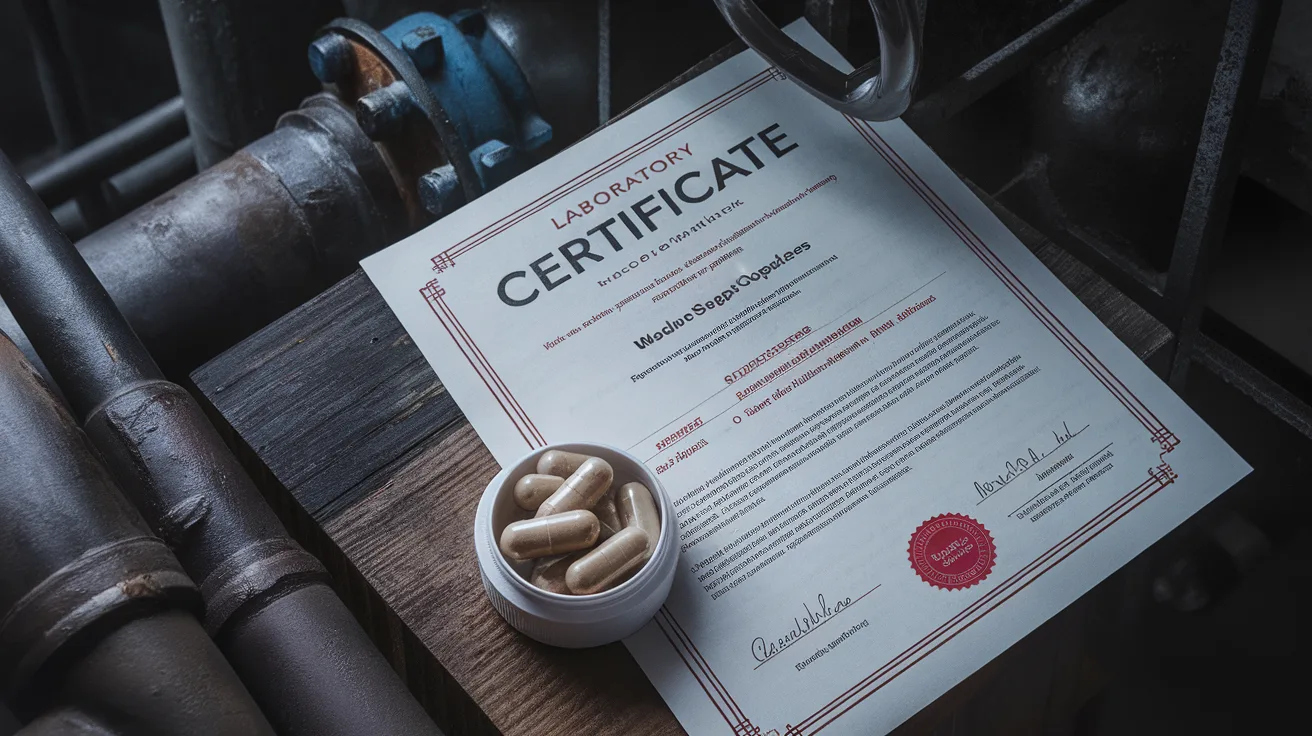
A Certificate of Analysis (COA) is the single most important document when evaluating a mushroom supplement. It's the difference between trusting a brand's marketing claims and actually verifying what's in the product. Yet most consumers have never seen one, let alone know how to read one.
This guide will teach you exactly what to look for.
What Is a COA?
A COA is a document issued by a laboratory — ideally a third-party, independent lab — that reports the results of analytical testing on a specific product batch. It typically covers identity verification, potency/active compounds, and safety testing (contaminants).
Think of it like a home inspection report for supplements. It tells you what's actually in the bottle.
Where to Find COAs
Reputable mushroom supplement brands publish COAs on their website, often on individual product pages or a dedicated "Lab Results" section. If a brand doesn't make COAs available, that's a red flag. You can always email a company and request the COA for a specific batch number (found on your product's label).
The Key Sections of a Mushroom Supplement COA
1. Lab Information
The top of the COA should identify the testing laboratory. Look for accredited labs — ISO 17025 accreditation is the gold standard. Common labs in the mushroom supplement space include Eurofins, ALS Global, and Medallion Labs. If the testing was done "in-house" by the supplement company itself, the results are less trustworthy.
2. Product Identity
The COA should clearly identify the product tested, including the brand name, product name, batch/lot number, and date of testing. The batch number should match what's on your product label.
3. Beta-Glucan Content
This is the most important metric for functional mushroom supplements. Beta-glucans are the primary bioactive polysaccharides responsible for immune modulation and other health benefits.
What to look for:
- Good: Beta-glucan content above 20% (fruiting body extracts typically range 20-60%)
- Great: Above 30% beta-glucans
- Red flag: Below 10%, or beta-glucans not tested at all
- Major red flag: "Polysaccharides" listed instead of beta-glucans — polysaccharide testing includes starch, which means mycelium-on-grain products can show high polysaccharide numbers that are mostly grain starch, not bioactive compounds
The Megazyme assay is the industry-standard method for beta-glucan testing. If you see this method referenced, that's a good sign.
4. Triterpene Content (for Reishi and Chaga)
For reishi and chaga specifically, triterpene content matters. These alcohol-soluble compounds are responsible for many of the adaptogenic and anti-inflammatory effects. Look for triterpene content above 2% for reishi products.
5. Heavy Metals Testing
Mushrooms are bioaccumulators — they absorb substances from their growing environment, including heavy metals. Every COA should test for at least four heavy metals:
- Lead (Pb): Should be below 0.5 ppm (parts per million). California Prop 65 limit is 0.5 μg/day.
- Arsenic (As): Should be below 1.0 ppm for inorganic arsenic.
- Cadmium (Cd): Should be below 0.5 ppm.
- Mercury (Hg): Should be below 0.1 ppm.
"Not detected" (ND) is the best result. Any result above the limits mentioned should give you pause.
6. Microbial Testing
This checks for bacterial and fungal contamination:
- Total Aerobic Count: Should be below 100,000 CFU/g
- Yeast and Mold: Should be below 1,000 CFU/g
- E. coli: Should not be detected
- Salmonella: Must not be detected
- Coliforms: Should be below 100 CFU/g
7. Pesticide Residues
Not all COAs include pesticide testing, but the best ones do. Organic-certified products should be tested for a panel of common pesticides with all results below detection limits.
Red Flags That Should Make You Walk Away
- No COA available at all — If a brand can't or won't show you test results, move on.
- "Polysaccharides" instead of beta-glucans — This is the oldest trick in the book for hiding low-quality mycelium-on-grain products.
- In-house testing only — Third-party testing is essential for credibility.
- Outdated COAs — A COA from 3+ years ago doesn't tell you about today's product.
- Missing heavy metals panel — This is basic safety testing. No excuse to skip it.
- The COA doesn't match the product — Check that the batch number and product name align.
A Real-World Example
Let's say you're evaluating a lion's mane capsule product. Here's what a good COA should look like:
- ✅ Third-party lab (ISO 17025 accredited)
- ✅ Beta-glucans: 28% (Megazyme method)
- ✅ Heavy metals: All below limits (Pb <0.2 ppm, As <0.3 ppm, Cd <0.1 ppm, Hg: ND)
- ✅ Microbial: All pass
- ✅ Identity confirmed: Hericium erinaceus fruiting body
- ✅ Date: Within the last 12 months
- ✅ Batch number matches product label
How ShrooMap Uses COA Data
At ShrooMap, we incorporate COA verification into our product rating methodology. Brands that provide transparent third-party testing receive higher trust scores, and we flag products that lack proper documentation. You can see COA status on individual product pages throughout our brand directory.
Take Action
Next time you're shopping for a mushroom supplement — whether at a local headshop or online — ask for the COA before you buy. Any brand worth your money will be happy to provide it. Use our product comparison tool to evaluate options that have been independently verified.
Tags
Medically Reviewed By
Dr. Igor I. Bussel, M.D.
Board-certified physician affiliated with the University of California, Irvine (UCI), the Gavin Herbert Eye Institute, and the UCI School of Medicine.
Related Articles
Turkey Tail Mushroom Benefits: The Science Behind Nature's Most Researched Immune Supplement
11 min read

The Surgeon General Nominee Ate Magic Mushrooms. The Senate Had Questions.
11 min read

COMP360 Just Cleared Its Second Phase 3 Trial. Here's Why That Changes Everything.
10 min read
Explore the Mushroom World
Dive deeper into species profiles, compare products, and find stores near you.