$29.95 $0.50/serving
View Profile You must be at least 21 years old to enter this site.
This is a legal, non-psychoactive functional mushroom guide. Talk with your clinician first if you take blood thinners, diabetes medications, immune-modulating drugs, or are in cancer treatment.
Best supplement form
Compare products that match the form most often recommended for Tremella.
Evidence summary
3 cited references reviewed for the Tremella guide.
For healthy aging
See how Tremella compares with Reishi, Chaga, and Turkey Tail for older adults.
Tremella fuciformis is a gelatinous fungus belonging to the family Tremellaceae, found primarily in tropical and subtropical climates on dead or dying hardwood. It exists as a parasitic yeast that colonizes the mycelium of fungi in the genus Annulohypoxylon, triggering the formation of its characteristic white, frond-like, and translucent fruiting body. Its key pharmacological properties are attributed to its rich concentration of polysaccharides, which have demonstrated significant immunomodulatory, antioxidant, anti-inflammatory, and skin-hydrating effects — capable of holding up to 500 times their weight in water.
#9
Popularity Rank
Moderate
Research Level
3
References
3
Key Compounds
Independent Research Review · Last Reviewed May 3, 2026
Tremella (Tremella fuciformis) is a functional mushroom with a moderate level of scientific research supporting its use. Its primary bioactive compounds - Polysaccharides, Vitamin D, Dietary Fiber - have been studied for benefits including skin health, hydration, beauty, immune support. Several preclinical studies and initial human trials support these uses, though additional clinical research is ongoing. Tremella is ranked #9 in popularity among functional mushroom species, with 3 cited research references in our database. The most commonly recommended form is tremella polysaccharide extract or whole-fruiting-body powder. Typical supplemental dosages range from 500 mg to 3,000 mg per day depending on extract concentration and intended use.
Buyer decision guide
Use this section to compare evidence strength, active compounds, researched forms, and safety limits for tremella.
Preclinical studies show Tremella fuciformis polysaccharides (TFPS) support skin hydration, antioxidant activity, immune modulation, and neuroprotection in cell and animal models. One RCT linked supplementation to improved cognition in early memory impairment. TFPS modulated gut microbiota and increased Treg cells in atopic dermatitis mouse models. Human clinical evidence remains limited; larger trials needed.
Polysaccharides, primarily 1→3-α-D-mannans in TFPS, drive reported bioactivities including immunomodulation, antioxidation, anti-inflammation, and gut microbiota modulation in preclinical models. Studies confirm TFPS induce neurite outgrowth, reduce β-amyloid toxicity in PC12h cells, and scavenge superoxide radicals. Vitamin D and dietary fiber present but less studied for key effects.
Hot water extracts and polysaccharide fractions from fruiting bodies show strongest preclinical evidence for neuroprotection, skin benefits, and immune effects. Oral TFPS alleviated atopic dermatitis symptoms and restored gut microbiota in mice. One human RCT used supplementation for cognition. Culinary use as edible mushroom noted historically, but extracts predominate in research.
T. fuciformis is edible with historical culinary use in Asia; no major adverse effects reported in available studies. Preclinical data show anti-inflammatory and immunomodulatory effects without toxicity noted. Human safety data limited; consult healthcare provider for interactions or allergies. Future clinical research required for dosing and long-term safety.
Tremella has moderate research support with several preclinical studies and some human trials. More research is needed to confirm benefits.
Yang Guifei — considered one of the most beautiful women in Chinese history, favorite consort of Emperor Xuanzong — reportedly consumed Tremella mushrooms daily as part of her beauty regimen. This...
Tremella has been used in traditional medicine systems for centuries, particularly in Traditional Chinese Medicine (TCM) and other Asian healing practices.
Historical Context: Traditional use does not guarantee efficacy or safety. Modern research is ongoing to validate traditional claims.
Yang Guifei — considered one of the most beautiful women in Chinese history, favorite consort of Emperor Xuanzong — reportedly consumed Tremella mushrooms daily as part of her beauty regimen. This 1,200-year-old story might read as mythology, but modern polymer chemistry provides a rigorous explanation: Tremella polysaccharides can hold up to 500 times their weight in water — more than hyaluronic acid, the gold-standard hydrating ingredient in modern skincare. The Tang Dynasty didn't know about polymers, but they had observed something real.
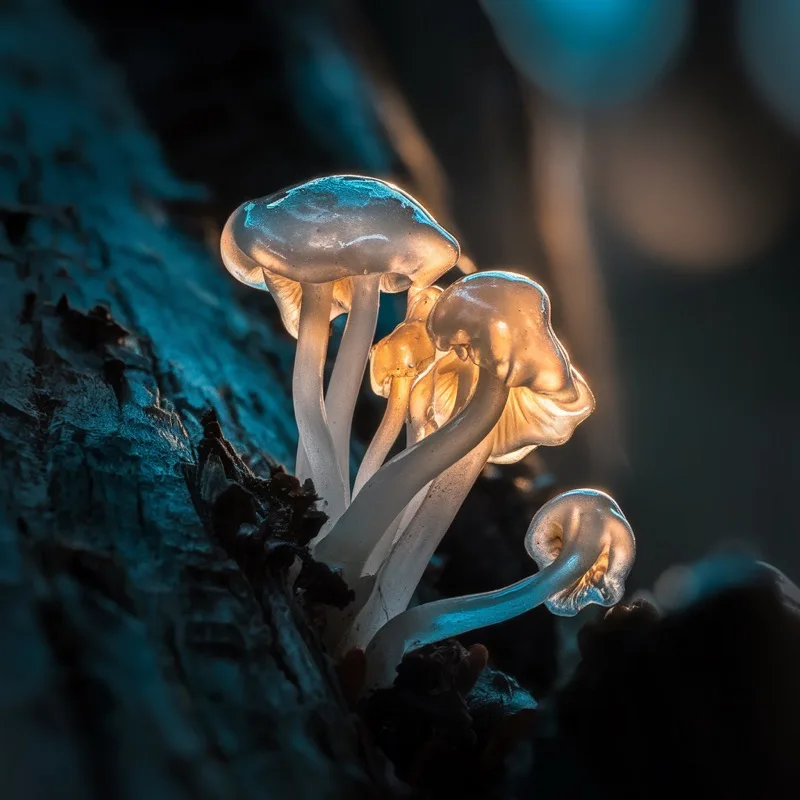
Tremella (Tremella fuciformis), called "Snow Fungus" or "Silver Ear," is one of the most visually extraordinary mushrooms. A gelatinous, translucent, ruffled mass of lobes resembling underwater coral — white or cream-colored when fresh, almost glass-clear when rehydrated. It grows in tropical forests as a parasite on other fungi, expanding five to six times its dry volume when soaked in water.
In Traditional Chinese Medicine, Tremella has been documented for over 2,000 years as a "yin tonic" — nourishing fluid reserves, moistening dry tissues, and supporting the cooling, nurturing aspects of physiology. This maps onto modern understanding well: its moisture-retaining polysaccharides do exactly what a yin tonic would do at the tissue level. As food, it's consumed in Chinese sweet soups with rock sugar, red dates, and goji berries — genuinely enjoyable comfort food that's served as both dessert and medicine for centuries.
⚡ Key Fact
Tremella polysaccharide particles are actually smaller than hyaluronic acid molecules — potentially allowing better penetration into the epidermis in topical applications. When consumed orally, they're absorbed into systemic circulation and reach dermal layers, providing hydration from the inside out.
Tremella's primary compounds are high-molecular-weight acidic heteropolysaccharides rich in glucuronic acid, fucose, mannose, and xylose. This polymer's extraordinary water-holding capacity — up to 500× its weight — makes it one of the most effective natural hydrating compounds known. When these polysaccharides reach the dermis, they measurably improve skin elasticity and reduce fine lines.
The Wen et al. 2016 study demonstrated protection against UV-induced photoaging by improving skin texture, increasing collagen synthesis, and exhibiting significant antioxidant activity. The Ruan et al. 2018 study found Tremella polysaccharides attenuate oxidative stress and inflammation through miR-155 regulation — indicating systemic anti-inflammatory effects beyond skin. The Ma et al. 2021 review catalogued immunomodulatory, anti-tumor, neuroprotective, and anti-fatigue activities across multiple studies.
💊 Recommended Dosage
1,000–3,000 mg/day of hot water-extracted fruiting body. For skin benefits, commit to daily intake for 8–12 weeks minimum — polysaccharide-mediated dermal changes are cumulative. Traditional preparation: soak 5–10g dried Tremella, simmer in sweet soup with dates and goji berries. Topical Tremella serums complement oral supplementation for dual-pathway skin hydration.
Products containing Tremella fuciformis extracts, with emphasis on verification, format, and practical daily use.

Bulk Wholesale Mushrooms

Bulk Wholesale Mushrooms

Bulk Wholesale Mushrooms


Mycelab Paris

Spacegoods


Personalized dosage recommendations based on your experience level, body weight, and goals.
8 min read
Independent Research Review
The editorial team reviews mushroom encyclopedia entries for sourcing, clarity, safety caveats, and citation support.
Last reviewed: May 3, 2026
Click anywhere or press Escape to close