
Buyer's Guide · Updated Feb 2026
Best Mushroom Supplements for Beginners
New to functional mushrooms? You're not alone — the mushroom supplement market has exploded to over $13 billion globally. With dozens of species, formats, and brands to choose from, getting started can feel overwhelming. This guide cuts through the noise: which species to try first, which format suits your lifestyle, and the 5 best products for newcomers in 2026.
🏆 Our Top Pick for Beginners

Auri Super Mushroom Daily Gummies
12-mushroom super blend in a tasty gummy — the easiest way to start with functional mushrooms without choosing individual species
Top 5 Beginner Supplements Compared
Auri Super Mushroom Daily Gummies
🏆 Best Starter Pick12-mushroom super blend in a tasty gummy — the easiest way to start with functional mushrooms without choosing individual species

Fungies Lion's Mane Mushroom Gummies
Best Single SpeciesPure Lion's Mane in a kid-friendly, affordable gummy format — perfect single-mushroom starting point

Real Mushrooms 5 Defenders Capsules
Best CapsuleFive scientifically-validated species in one capsule — fruiting body extract with verified beta-glucan content

Four Sigmatic Focus Instant Coffee
Best for Coffee LoversMushroom coffee that tastes like regular coffee — the stealth way to start your mushroom journey

Drops Of Nature Mushroom Gummies
Best Budget PickBudget-friendly natural gummies with a clean formula — great value for beginners testing the waters
Getting Started: What Are Functional Mushrooms?
Functional mushrooms are a category of fungi that offer health benefits beyond basic nutrition. Unlike culinary mushrooms you'd toss in a stir-fry, species like Lion's Mane, Reishi, Cordyceps, and Turkey Tail contain bioactive compounds — beta-glucans, triterpenes, hericenones, cordycepin — that modulate the immune system, support cognitive function, and promote overall wellness.
These aren't "magic mushrooms." Functional mushrooms contain zero psilocybin and are 100% legal worldwide. They've been used in Traditional Chinese Medicine (TCM) and Japanese Kampo medicine for over 2,000 years, and modern science is rapidly validating their traditional uses. A 2023 systematic review in the Journal of Fungi cataloged over 850 clinical and preclinical studies on medicinal mushrooms published in the last decade alone.
The Key Bioactive Compounds
The primary active compounds in functional mushrooms are beta-glucans — complex polysaccharides found in fungal cell walls. Beta-glucans bind to receptors on immune cells (Dectin-1 and CR3) and modulate immune response. Different species offer additional unique compounds:
- Hericenones & erinacines (Lion's Mane) — stimulate Nerve Growth Factor (NGF) for cognitive support
- Triterpenes (Reishi) — anti-inflammatory and calming; over 130 identified in Ganoderma lucidum
- Cordycepin (Cordyceps) — adenosine analog that supports cellular energy and oxygen utilization
- PSK & PSP (Turkey Tail) — immunomodulatory polysaccharopeptides used in Japanese oncology
- Betulinic acid & melanin (Chaga) — powerful antioxidants with one of the highest ORAC scores in nature
Why Supplements, Not Whole Mushrooms?
You can't get therapeutic doses from food alone. A single Lion's Mane capsule containing 500mg of 8:1 extract is equivalent to eating roughly 4 grams of dried mushroom — about a heaping tablespoon. Additionally, many bioactive compounds are locked behind chitin cell walls that require hot water or alcohol extraction to become bioavailable. Raw or lightly cooked mushrooms deliver far fewer active compounds than properly extracted supplements.
The Beginner's Advantage
Here's the good news: you don't need to become a mycology expert to benefit from mushroom supplements. The industry has matured significantly since 2020, with standardized extracts, third-party testing, and convenient formats (gummies, capsules, coffees) that make it trivially easy to start. The key decisions are: which species, which format, and which brand. That's exactly what this guide covers.
Which Species to Try First
With over 2,000 identified medicinal mushroom species, choosing where to start can feel paralyzing. Here are the "Big 5" — the most researched, most available, and most beginner-friendly species, ranked by how quickly you'll notice benefits:
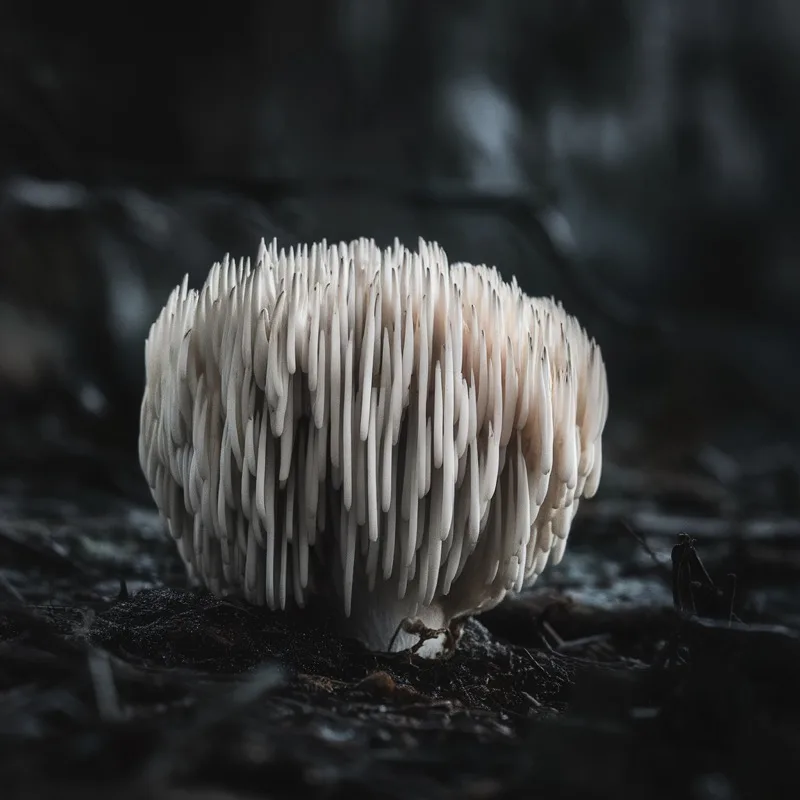
Lion's Mane
Hericium erinaceus · Best first mushroom
The most popular starting point. Noticeable focus and clarity improvements within 1–2 weeks. Stimulates Nerve Growth Factor (NGF) for brain health. Mild taste, no side effects for most people.
Best for: Focus, memory, brain health
Learn more →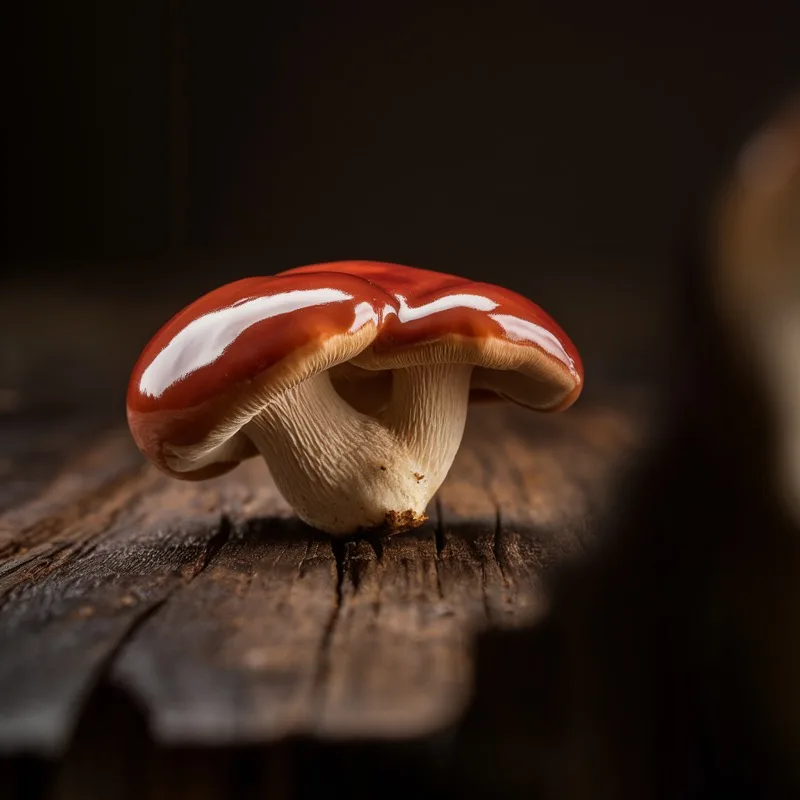
Reishi
Ganoderma lucidum · The calming one
Known as the "mushroom of immortality" in TCM. Promotes calm, improves sleep quality, and modulates the immune system. Best taken in the evening. Effects build over 2–4 weeks.
Best for: Sleep, stress, immunity
Learn more →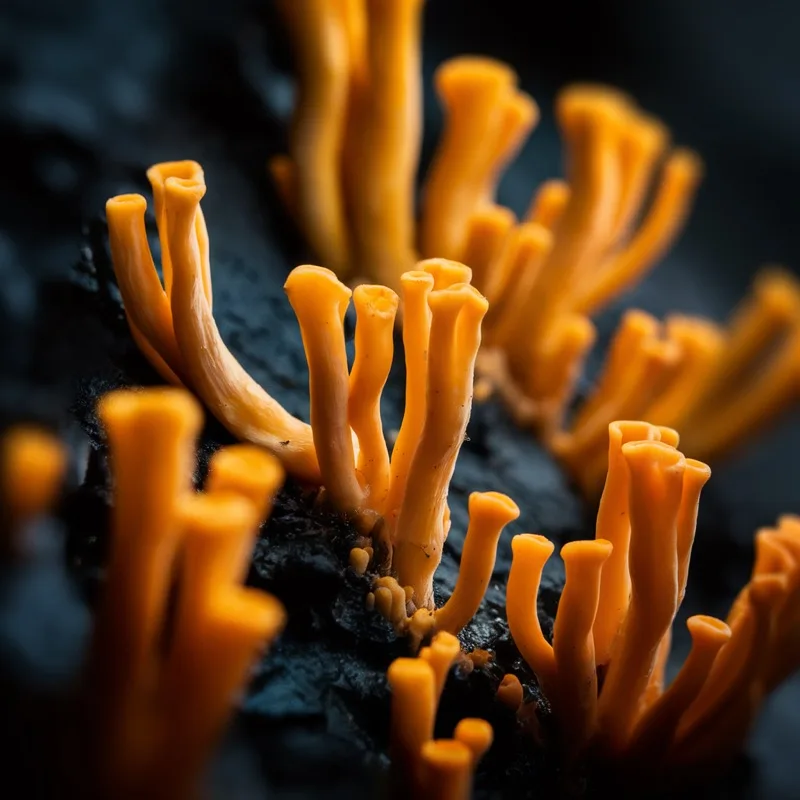
Cordyceps
Cordyceps militaris · The energy booster
Enhances oxygen utilization and ATP production for natural energy. Popular among athletes. Can be felt within days. Great morning supplement.
Best for: Energy, endurance, vitality
Learn more →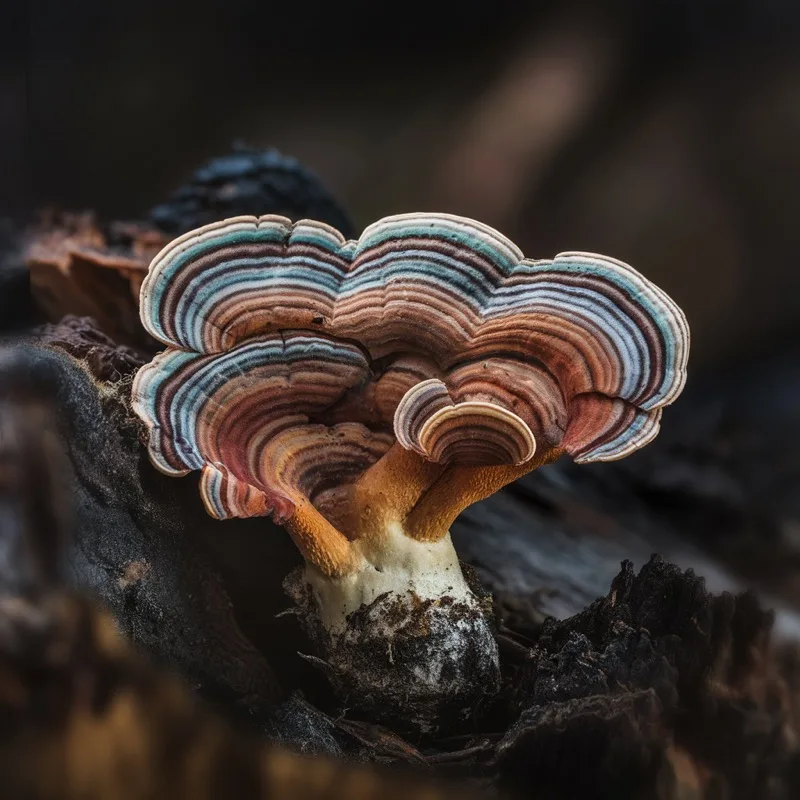
Turkey Tail
Trametes versicolor · The immune supporter
The most researched mushroom for immune function. Contains PSK (Krestin), used alongside chemotherapy in Japan for 40+ years. Also a powerful prebiotic for gut health.
Best for: Immunity, gut microbiome
Learn more →
Chaga
Inonotus obliquus · The antioxidant king
Highest antioxidant content of any natural substance (ORAC 146,700). Supports immune function and reduces oxidative stress. Traditionally brewed as a tea in Siberia.
Best for: Antioxidants, inflammation
Learn more →🎯 Our Recommendation for Beginners
Start with Lion's Mane if you want a single species — you'll feel it fastest. Or start with a multi-mushroom blend (our #1 pick) to experience broad benefits while you figure out what your body responds to best.
Capsules vs Gummies vs Powder: Which Format Is Best?
The format you choose matters less than the extract quality inside it. That said, each format has practical trade-offs that affect your daily experience:
Gummies — Best for Beginners
Gummies are the easiest way to build a mushroom habit. They taste good, require no preparation, and the chewing action may actually enhance absorption through sublingual pathways. The downside: gummies contain sugar and fillers, and the mushroom dose per gummy is typically lower than capsules. You may need 2–3 gummies to match one capsule's potency. Still, the compliance advantage — actually remembering to take them — makes gummies the top choice for newcomers.
Capsules — Best for Precision
Capsules deliver the highest, most consistent doses of mushroom extract. They're tasteless, portable, and easy to integrate into an existing supplement routine. Most serious mushroom users eventually gravitate toward capsules. Look for products that use vegetable cellulose capsules (vegan) and disclose exact milligram amounts and beta-glucan percentages. The main downside: some people find large capsules difficult to swallow.
Powder — Best for Versatility
Mushroom powders mix into coffee, smoothies, oatmeal, or hot water. They're the most cost-effective per serving and allow flexible dosing. However, many mushroom extracts have an earthy, slightly bitter taste that takes getting used to. If you already have a morning coffee or smoothie ritual, powder integrates seamlessly. Products like mushroom coffee blends eliminate the taste issue entirely.
Tinctures — Best for Fast Absorption
Liquid tinctures (often dual-extracted with water and alcohol) offer the fastest absorption — compounds enter the bloodstream sublingually within minutes. They're ideal for people who want rapid effects or can't swallow capsules. However, alcohol-based tinctures have a strong taste, and dosing requires a dropper, making them less convenient for travel.
Chocolate & Coffee — Best for Stealth
Mushroom-infused chocolates and coffees disguise the mushroom taste entirely. They're perfect for skeptics and people who don't want to "take a supplement." The trade-off is typically a lower mushroom dose per serving compared to dedicated supplements.
How to Choose Your First Mushroom Supplement
The mushroom supplement market is flooded with low-quality products. Here are the five red flags and green flags every beginner should know:
1. Fruiting Body vs. Mycelium-on-Grain
This is the single most important quality indicator. Fruiting body extracts come from the actual mushroom and contain high concentrations of beta-glucans (the primary active compounds). Mycelium-on-grain (MOG) products grow mycelium on a rice or oat substrate, and the final product often contains 50–70% grain starch with minimal active compounds. A 2017 analysis in Nature by Dr. Robert Rogers found that MOG products averaged only 5–7% beta-glucans, compared to 30–50% in fruiting body extracts. Always look for "fruiting body" on the label.
2. Beta-Glucan Content
Reputable brands test and disclose their beta-glucan percentages. For meaningful health benefits, look for ≥25% beta-glucans (guaranteed analysis, not just "total polysaccharides," which can include inactive starches). If a product doesn't list beta-glucan content, it's likely hiding something.
3. Third-Party Testing (COA)
A Certificate of Analysis (COA) from an independent lab verifies that the product contains what the label claims and is free from heavy metals, pesticides, and microbial contaminants. Brands like Real Mushrooms, Om Mushroom, and Four Sigmatic publish their COAs publicly. If a brand can't provide a COA upon request, move on.
4. Extraction Method
The bioactive compounds in mushrooms are locked behind chitin cell walls — the same material that makes insect exoskeletons. Raw mushroom powder, even from fruiting bodies, has poor bioavailability. Look for hot water extraction (releases beta-glucans) or dual extraction (hot water + alcohol, releases both water-soluble and fat-soluble compounds). This is especially important for Reishi and Chaga.
5. Realistic Claims
Avoid brands making outlandish health claims like "cures cancer" or "replaces Adderall." Reputable mushroom companies use evidence-based language like "supports cognitive function" or "promotes immune health." Extreme claims are a red flag for both quality and regulatory compliance.
Dosage Recommendations for Beginners
| Mushroom | Starting Dose | Full Dose | When to Take | Tips |
|---|---|---|---|---|
| Lion's Mane | 250–500 mg | 500–2,000 mg | Morning | May be stimulating for some; take with food |
| Reishi | 250–500 mg | 500–1,500 mg | Evening | Promotes calm; pair with bedtime routine |
| Cordyceps | 250–500 mg | 500–2,000 mg | Morning/Pre-workout | Energizing; avoid late in the day |
| Turkey Tail | 500–1,000 mg | 1,000–3,000 mg | With meals | Take with food for gut benefits |
| Chaga | 250–500 mg | 500–2,000 mg | Morning | Hot water extract; avoid if on blood thinners |
* Doses refer to extract equivalent. Start low for the first week, then increase to full dose. Take consistently for at least 4–8 weeks before evaluating effects.
Side Effects & Safety
Functional mushroom supplements have an excellent safety profile, but beginners should be aware of the following:
- Mild digestive discomfort: Gas, bloating, or loose stools may occur in the first 3–5 days as your gut adjusts to beta-glucan fiber. Starting with a half dose minimizes this.
- Allergic reactions (rare): People with mushroom allergies should avoid all mushroom supplements. Symptoms include skin rash, itching, or difficulty breathing. Discontinue immediately if these occur.
- Blood sugar effects: Reishi, Chaga, and Maitake may lower blood sugar. Diabetics or people on glucose-lowering medications should monitor closely.
- Blood thinner interactions: Chaga and Reishi may have anti-coagulant properties. Discontinue at least 2 weeks before surgery.
- Immune stimulation: Beta-glucans stimulate the immune system. People with autoimmune conditions should consult their doctor before starting.
- Pregnancy & breastfeeding: Insufficient safety data. Avoid unless approved by your OB-GYN.
- Medication interactions: Consult your pharmacist or doctor if you take immunosuppressants, blood thinners, or diabetes medications.
Dr. Igor Bussel, M.D. — board-certified physician affiliated with UCI, Gavin Herbert Eye Institute, UCI School of Medicine — reviewed the safety information in this guide.
Product Comparison
| Product | Rating | Price | Per Serving | COA | Format |
|---|---|---|---|---|---|
| Auri Super Mushroom Daily Gummies TOP PICK | 8.4/10 | $55 | $1.83 | ✅ | mushroom gummies |
| Fungies Lion's Mane Mushroom Gummies | 8.4/10 | $29.99 | $1 | ✅ | mushroom gummies |
| Real Mushrooms 5 Defenders Capsules | 9.3/10 | $35.95 | $0.6 | ✅ | mushroom capsules |
| Four Sigmatic Focus Instant Coffee | 8.8/10 | $11.25 | $1.13 | ✅ | mushroom coffee |
| Drops Of Nature Mushroom Gummies | 8.2/10 | $34.99 | $1.17 | ❌ | mushroom gummies |
Frequently Asked Questions
What is the best mushroom supplement for beginners?
For most beginners, a multi-mushroom blend like Auri Super Mushroom Gummies is ideal because it covers multiple benefits (focus, immunity, energy, gut health) without requiring you to choose individual species. If you prefer a single mushroom, start with Lion's Mane — it has the most noticeable cognitive benefits and the broadest research base. Gummies and capsules are the easiest formats to start with.
How long does it take for mushroom supplements to work?
Most people notice initial effects within 1–2 weeks of daily use. Cognitive benefits from Lion's Mane (focus, clarity) tend to appear first. Immune and gut health benefits from Turkey Tail and Reishi typically take 4–8 weeks to become noticeable. Consistency is key — mushroom supplements work through cumulative mechanisms, not instant effects.
Are mushroom supplements safe for everyday use?
Yes, functional mushroom supplements have an excellent safety profile when used as directed. Species like Lion's Mane, Reishi, Turkey Tail, Cordyceps, and Chaga have been consumed for centuries in traditional medicine and studied in modern clinical trials. The most common side effect is mild digestive discomfort in the first few days, which usually resolves quickly. However, consult your doctor if you're on medications, pregnant, or have autoimmune conditions.
Should I take one mushroom or a blend?
For beginners, a multi-mushroom blend is usually the best approach because different species offer complementary benefits. Lion's Mane supports cognition, Reishi promotes calm and sleep, Cordyceps boosts energy, and Turkey Tail strengthens immunity. Once you've used a blend for 2–3 months and identified which benefits matter most to you, you can switch to targeted single-species supplements at higher doses.
What's the difference between capsules, gummies, and powder?
Each format has trade-offs. Capsules offer precise dosing and higher potency — best for serious supplementation. Gummies taste great and are easy to remember — best for compliance and beginners. Powders are the most versatile (mix into coffee, smoothies, food) and often cheapest per serving, but require measuring and can taste earthy. All three can be effective if the extract quality is equivalent.