
Buyer's Guide · Updated Feb 2026
Best Mushrooms for Longevity & Anti-Aging
Ancient Taoists called Reishi the "mushroom of immortality." Modern science is starting to agree. From Chaga's record-breaking antioxidant capacity to the discovery of ergothioneine as a potential "longevity vitamin," mushrooms are emerging as powerful tools for extending healthspan. This guide covers the science of fungal anti-aging compounds and the best products for 2026.
🏆 Our Top Pick

Renude Chagaccino Adaptogen Boost
Chaga-focused adaptogenic cacao with monk fruit — zero sugar, maximum antioxidants (ORAC >146,000). The biohacker's daily longevity ritual.
Top 5 Longevity Supplements Compared
Renude Chagaccino Adaptogen Boost
🏆 Best Anti-AgingChaga-focused adaptogenic cacao with monk fruit — zero sugar, maximum antioxidants (ORAC >146,000). The biohacker's daily longevity ritual.

DIRTEA Mushroom Cacao Super Blend
Best Skin + LongevityTriple mushroom blend (Lion's Mane, Tremella, Reishi) — Tremella for skin hydration plus Reishi for longevity in a premium cacao format

Real Mushrooms 5 Defenders Capsules
Best CapsuleFive immune-modulating fruiting body extracts with verified beta-glucans — comprehensive daily defense against age-related immune decline

Four Sigmatic Calm Mylk Hot Cocoa
Best Evening RitualUSDA Organic Reishi (the 'mushroom of immortality') in a soothing evening cocoa — daily longevity support that doubles as a sleep ritual

RYZE Mushroom Coffee
Best All-in-OneSuper6™ blend with 6 longevity-relevant mushrooms including Cordyceps, Reishi, and Turkey Tail — the easiest way to cover all longevity bases daily
The Science: How Mushrooms Fight Aging
Aging is driven by a handful of interconnected biological processes: oxidative stress, chronic inflammation ("inflammaging"), immune decline (immunosenescence), telomere shortening, mitochondrial dysfunction, and cellular senescence. Remarkably, functional mushrooms contain compounds that address all six of these hallmarks.
Oxidative Stress & Free Radical Defense
Oxidative stress — the accumulation of reactive oxygen species (ROS) that damage DNA, proteins, and lipid membranes — is one of the oldest theories of aging. Chaga provides extraordinary antioxidant defense with an ORAC score of 146,700 µmol TE/100g — the highest of any natural substance ever measured. For comparison, acai berries score 102,700 and dark chocolate scores 20,816. Chaga's antioxidant arsenal includes melanin complexes, superoxide dismutase (SOD), betulinic acid, and over 200 identified polyphenols.
A 2019 study in Oxidative Medicine and Cellular Longevity demonstrated that Chaga extract reduced oxidative stress biomarkers (8-OHdG and MDA) by 35–45% in aged mice, with corresponding improvements in liver and kidney function. The melanin in Chaga is particularly interesting — it scavenges free radicals while also chelating toxic metals, providing a dual protective mechanism.
Chronic Inflammation (Inflammaging)
Low-grade chronic inflammation — coined "inflammaging" by Dr. Claudio Franceschi — is now considered a primary driver of age-related disease, from cardiovascular disease to Alzheimer's to cancer. Reishi's triterpenes (ganoderic acids) are potent anti-inflammatory agents that inhibit the NF-κB pathway — the master inflammatory switch. A 2018 review in the International Journal of Molecular Sciences cataloged 130+ ganoderic acids in Reishi, many with demonstrated anti-inflammatory activity comparable to pharmaceutical agents.
Reishi also modulates the balance between pro-inflammatory (Th1/Th17) and anti-inflammatory (Th2/Treg) immune responses, preventing the immune system from becoming chronically activated with age. This immunomodulatory effect is why Reishi has been used for millennia as a longevity tonic in Traditional Chinese Medicine.
Neuroprotection & Cognitive Aging
Cognitive decline is one of the most feared aspects of aging. Lion's Mane addresses this through stimulation of Nerve Growth Factor (NGF) and Brain-Derived Neurotrophic Factor (BDNF). A 2020 meta-analysis in Journal of Medicinal Food concluded that Lion's Mane supplementation significantly improved cognitive function scores in adults with mild cognitive impairment.
Lion's Mane's hericenones and erinacines can cross the blood-brain barrier and promote neurogenesis (the formation of new neurons) in the hippocampus — the brain region most vulnerable to age-related atrophy. For longevity-focused supplementation, Lion's Mane protects the organ most humans worry about losing function in first.
Immune Aging (Immunosenescence)
The immune system weakens with age — a process called immunosenescence. Natural killer (NK) cell activity declines by approximately 50% between ages 20 and 70. Turkey Tail's PSK and PSP compounds have been shown to increase NK cell activity by 30–40% in clinical studies, effectively "rejuvenating" this critical arm of immune defense. Beta-glucans from multiple mushroom species bind to Dectin-1 receptors on macrophages, enhancing phagocytosis and antigen presentation — both of which decline with age.
Skin Aging & Collagen Support
Tremella fuciformis (Snow Fungus) has gained attention as a beauty-from-within supplement. Tremella polysaccharides hold up to 500× their weight in water — rivaling hyaluronic acid's moisture-binding capacity. A 2016 study in the International Journal of Biological Macromolecules showed that Tremella polysaccharides increased skin hydration, reduced transepidermal water loss, and improved skin elasticity in human subjects after 8 weeks. Tremella also inhibits melanogenesis, potentially reducing age spots and hyperpigmentation. Read our Mushrooms for Skin & Beauty guide for more.
Mitochondrial Function & Cellular Energy
Cordyceps enhances mitochondrial efficiency — the cell's power plant. Cordycepin, an adenosine analog, improves ATP production and oxygen utilization. Since mitochondrial dysfunction is a hallmark of aging (the "mitochondrial theory of aging"), maintaining mitochondrial health is critical for longevity. A 2020 study demonstrated that Cordyceps supplementation improved mitochondrial membrane potential and reduced mitochondrial ROS production by 30% in aged mice.
Species Breakdown for Longevity
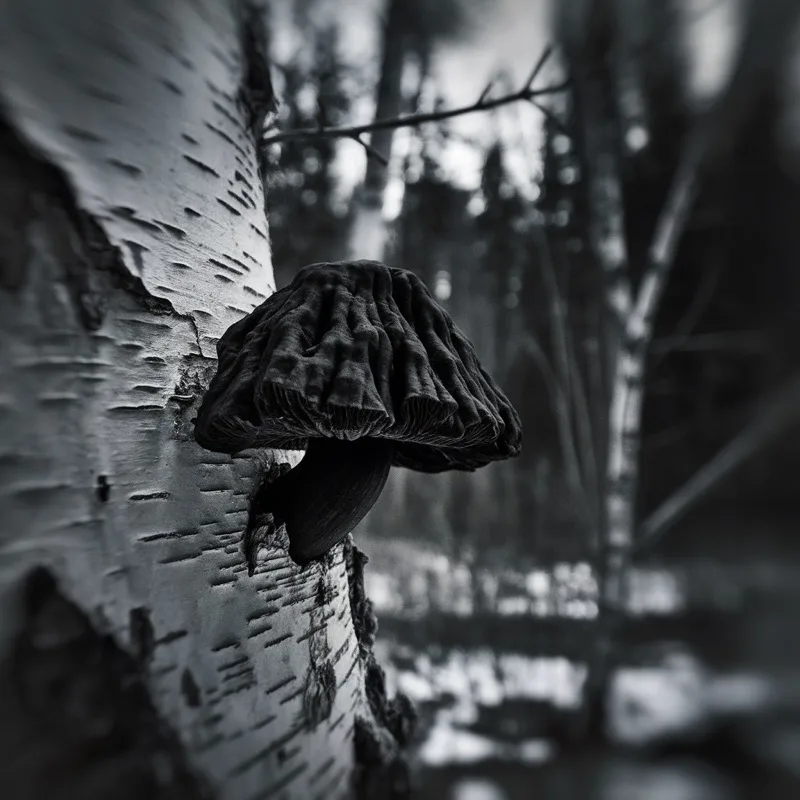
Chaga
The Antioxidant King
ORAC 146,700. Melanin, SOD, betulinic acid. Protects DNA from oxidative damage. Reduces inflammatory markers. Wild-harvested from birch trees for maximum betulinic acid.
Longevity target: Oxidative stress
Learn more →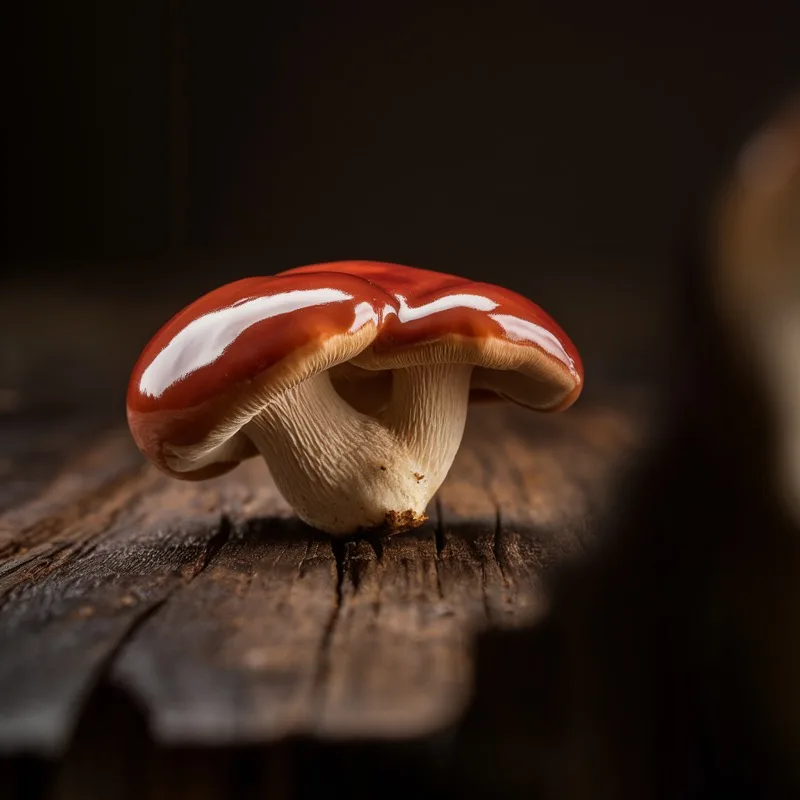
Reishi
Mushroom of Immortality
130+ triterpenes. Anti-inflammatory (NF-κB inhibition). Immunomodulatory. Promotes restful sleep (essential for cellular repair). Extended lifespan 17.6% in C. elegans.
Longevity target: Inflammaging, immune
Learn more →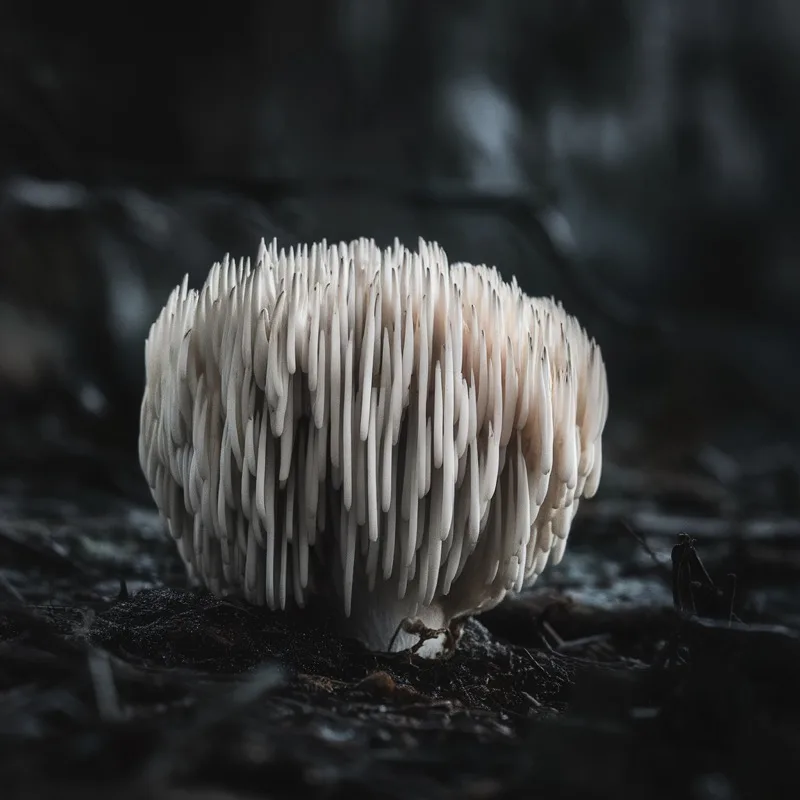
Lion's Mane
The Brain Protector
NGF and BDNF stimulation. Neurogenesis in the hippocampus. Protects against cognitive decline — the most feared aspect of aging. Also produces ergothioneine.
Longevity target: Neuroprotection
Learn more →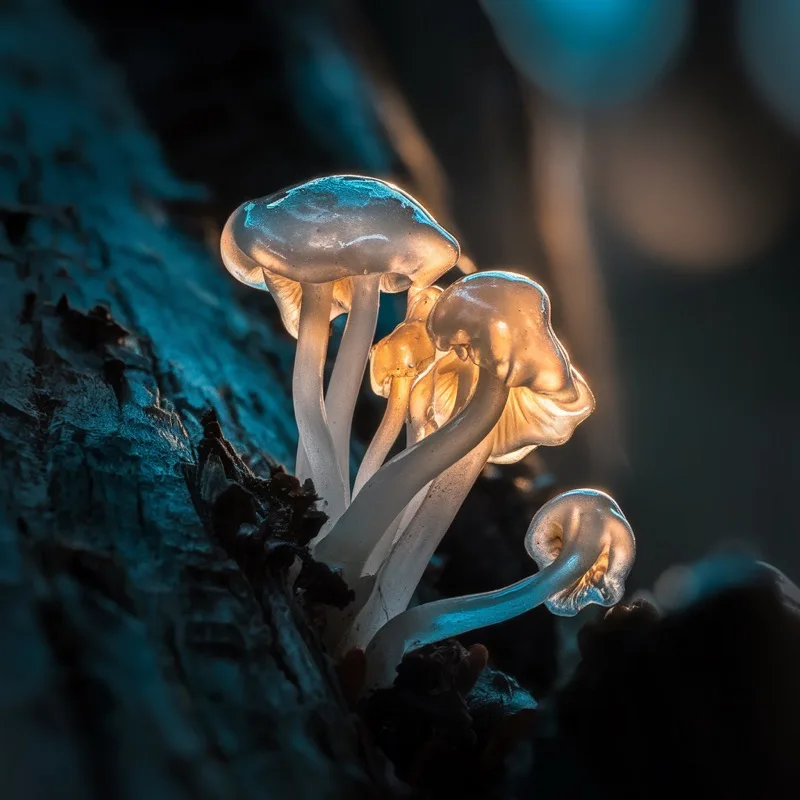
Tremella
The Beauty Mushroom
500× water retention capacity. Rivals hyaluronic acid for skin hydration. Increases skin elasticity and reduces wrinkles. Anti-melanogenesis for age spots.
Longevity target: Skin aging
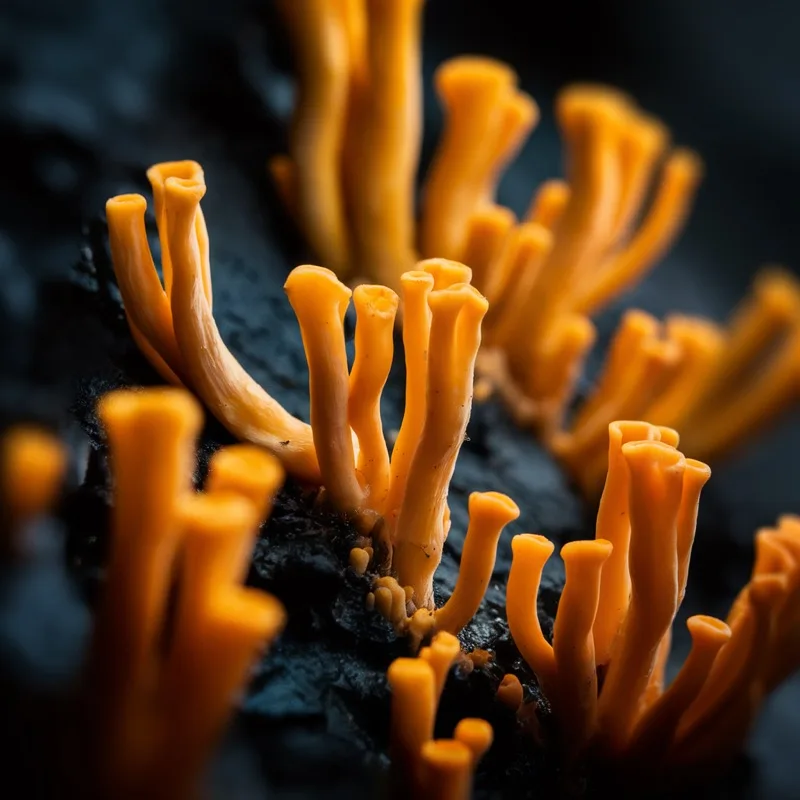
Cordyceps
The Energy Optimizer
Enhances ATP production and mitochondrial function. Improves oxygen utilization. Supports kidney function. Cordycepin has anti-senescence properties.
Longevity target: Mitochondria
Learn more →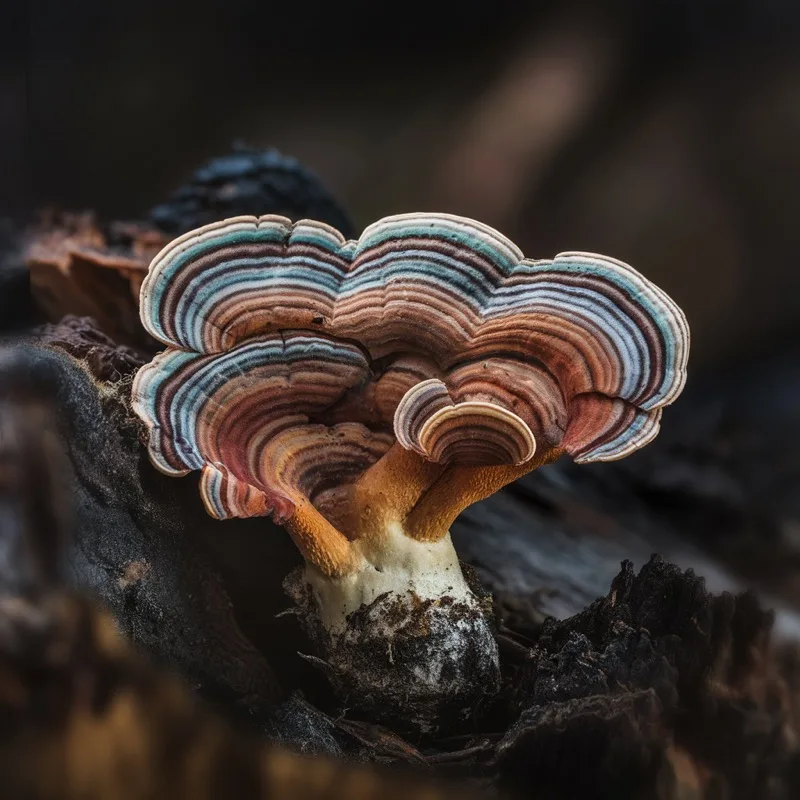
Turkey Tail
The Immune Shield
PSK and PSP boost NK cell activity 30–40%. Combats immunosenescence. Prebiotic for gut microbiome diversity (which declines with age). Used in Japanese oncology for 40+ years.
Longevity target: Immunosenescence
Learn more →Ergothioneine: The Longevity Vitamin
One of the most exciting developments in longevity research is the growing interest in ergothioneine (ERGO) — an amino acid produced almost exclusively by fungi (mushrooms) and certain bacteria. In 2018, Dr. Bruce Ames at UC Berkeley proposed reclassifying ergothioneine as a "longevity vitamin" — a substance essential for long-term health, even if its acute deficiency doesn't cause immediate disease.
Why Ergothioneine Matters
- Humans can't make it: Despite having a dedicated transporter protein (OCTN1 / SLC22A4) in every cell, humans cannot synthesize ergothioneine. This means it must come from diet — primarily mushrooms.
- Tissue-specific accumulation: ERGO preferentially accumulates in organs under high oxidative stress: the brain, eyes (especially lens and retina), liver, kidneys, bone marrow, and seminal fluid.
- Levels decline with age: Blood ergothioneine levels drop significantly after age 60, correlating with increased frailty and cognitive decline.
- Epidemiological data: A 2020 study of 3,236 participants in the Free Radical Biology and Medicine journal found that higher plasma ergothioneine was associated with reduced risk of cardiovascular disease, cognitive impairment, and frailty — independent of other factors.
- Mushroom-rich diets correlate with longevity: Populations with high mushroom consumption (Japan, Singapore) consistently rank among the world's longest-lived. While this doesn't prove causation, it's consistent with the ergothioneine hypothesis.
Richest Ergothioneine Sources
The mushroom species with the highest ergothioneine content per gram:
- King Oyster (Pleurotus eryngii): ~2.6 mg/g dried weight
- Oyster mushroom (Pleurotus ostreatus): ~2.0 mg/g
- Maitake (Grifola frondosa): ~1.8 mg/g
- Lion's Mane (Hericium erinaceus): ~1.0 mg/g
- Shiitake (Lentinula edodes): ~0.8 mg/g
Eating just 3 servings of mushrooms per week — or supplementing with multi-mushroom blends — can maintain adequate ergothioneine levels. Products containing King Trumpet / King Oyster (like RYZE's Super6™ blend) provide the highest ergothioneine per serving.
How to Choose a Longevity Mushroom Supplement
1. Multi-Species for Maximum Coverage
Since different mushroom species target different aging pathways, a multi-mushroom blend provides the broadest longevity coverage. Look for products that include at least Reishi + Chaga + Lion's Mane + Turkey Tail. Adding Cordyceps and Tremella covers mitochondria and skin aging respectively.
2. Fruiting Body Extracts
As covered in our Extracts vs Powder guide, fruiting body extracts deliver 5–10× more bioactive compounds than mycelium-on-grain. For longevity supplementation — which you'll likely maintain for years or decades — maximizing compound delivery per capsule matters enormously over time.
3. Dual Extraction for Reishi & Chaga
Reishi's triterpenes and Chaga's betulinic acid are alcohol-soluble. If your longevity stack includes these species (it should), ensure they're dual-extracted. Hot water-only extracts miss half their longevity-relevant compounds.
4. Long-Term Value
Longevity supplementation is a decades-long commitment. Calculate the cost per day, not per bottle. A $50 product with 30 servings ($1.67/day) may be more sustainable than a $30 product with 10 servings ($3/day). Subscriptions often save 20–40%.
5. Synergy with Lifestyle
The most effective longevity mushroom supplement is the one you'll actually take consistently. Choose a format that fits your daily routine: mushroom coffee if you're a morning coffee drinker, capsules if you already take supplements, or cacao if you enjoy an evening ritual. Consistency over months and years trumps potency.
Dosage Recommendations
| Mushroom | Longevity Dose | Best Time | Key Longevity Compounds |
|---|---|---|---|
| Chaga | 500–2,000 mg | Morning with food | Melanin, betulinic acid, SOD |
| Reishi | 500–2,000 mg | Evening | Ganoderic acids, beta-glucans |
| Lion's Mane | 500–2,000 mg | Morning | Hericenones, erinacines, ergothioneine |
| Cordyceps | 500–1,500 mg | Morning | Cordycepin, adenosine |
| Turkey Tail | 1,000–3,000 mg | With meals | PSK, PSP, beta-glucans |
| Tremella | 500–1,000 mg | Any time | Tremella polysaccharides |
* For longevity purposes, consistency over years matters more than high doses. Use moderate doses you can sustain long-term. Take with food for best absorption.
Side Effects & Safety
For long-term longevity supplementation, safety is paramount. Here's what to know:
- Long-term safety data: Reishi, Lion's Mane, and Turkey Tail have the most extensive long-term safety data, with decades of use in Asian medicine and no significant long-term adverse effects reported in systematic reviews.
- Chaga oxalates: Long-term, high-dose Chaga supplementation carries a real risk of oxalate nephropathy (kidney damage from oxalate crystals). A case report in the Journal of the American Society of Nephrology documented kidney failure from chronic Chaga tea consumption. Keep Chaga doses moderate (≤2,000mg/day) and ensure adequate hydration.
- Liver considerations: Rare cases of liver toxicity have been reported with Reishi supplements, though causation is debated. If you plan to take Reishi long-term, consider periodic liver function tests (ALT, AST) — especially in the first year.
- Blood sugar and blood pressure: Reishi, Chaga, and Maitake may lower blood sugar and blood pressure. Beneficial for most people, but those on medications should monitor levels and adjust doses with their doctor.
- Immunostimulation: Long-term immune stimulation from beta-glucans is generally beneficial but may be problematic for people with autoimmune conditions. Consult your rheumatologist or immunologist.
- Quality matters more long-term: Over years of supplementation, even low-level contaminants (heavy metals, pesticides) can accumulate. Use only COA-verified products with documented heavy metal testing.
Reviewed by Dr. Igor Bussel, M.D. — board-certified physician affiliated with UCI, Gavin Herbert Eye Institute, UCI School of Medicine.
Product Comparison
| Product | Rating | Price | Per Serving | COA | Format |
|---|---|---|---|---|---|
| Renude Chagaccino Adaptogen Boost TOP PICK | 9.5/10 | $49.99 | $1.66 | ❌ | mushroom hot chocolate |
| DIRTEA Mushroom Cacao Super Blend | 9.2/10 | $35 | $1.17 | ❌ | mushroom hot chocolate |
| Real Mushrooms 5 Defenders Capsules | 9.3/10 | $35.95 | $0.6 | ✅ | mushroom capsules |
| Four Sigmatic Calm Mylk Hot Cocoa | 8.6/10 | $30 | $1 | ✅ | mushroom hot chocolate |
| RYZE Mushroom Coffee | 9.4/10 | $27 | $0.9 | ✅ | mushroom coffee |
Frequently Asked Questions
Can mushroom supplements actually extend lifespan?
While no supplement can guarantee a longer life, mushroom compounds target key aging pathways. Reishi has been shown to extend lifespan in model organisms — a 2011 study in Bioorganic & Medicinal Chemistry found ganoderic acids extended C. elegans lifespan by 17.6%. Ergothioneine (found in many mushrooms) is classified as a 'longevity vitamin' by researchers. The strongest evidence supports mushrooms for extending healthspan — the years lived in good health — through immune support, reduced inflammation, and neuroprotection.
What is ergothioneine and why does it matter for aging?
Ergothioneine (ERGO) is a unique amino acid produced almost exclusively by fungi. Humans cannot synthesize it but have a dedicated transporter (OCTN1) to absorb it — suggesting evolutionary importance. Dr. Bruce Ames at UC Berkeley proposed classifying it as a 'longevity vitamin' in 2018. ERGO accumulates in tissues under high oxidative stress (brain, eyes, liver, bone marrow) and provides potent antioxidant protection. Blood ergothioneine levels decline with age and are inversely correlated with frailty, cognitive decline, and cardiovascular disease.
Which mushroom has the most antioxidants?
Chaga (Inonotus obliquus) holds the record with an ORAC score of 146,700 µmol TE/100g — higher than acai berries (102,700), dark chocolate (20,816), or blueberries (9,621). Chaga's antioxidant power comes from its melanin complexes, betulinic acid, superoxide dismutase (SOD), and polyphenols. However, antioxidant capacity is just one longevity mechanism. A well-rounded approach includes Reishi (immune modulation), Lion's Mane (neuroprotection), and Tremella (skin hydration).
Is Reishi really the 'mushroom of immortality'?
Reishi (Ganoderma lucidum) has been called the 'mushroom of immortality' (灵芝, língzhī) in Chinese medicine for over 2,000 years. Modern research validates some of this reputation: Reishi modulates over 400 bioactive compounds, reduces chronic inflammation (NF-κB pathway), supports telomerase activity, enhances natural killer cell function, and promotes restful sleep — all factors associated with healthy aging. While 'immortality' is poetic license, Reishi is arguably the single most evidence-backed mushroom for longevity.
What's the best longevity mushroom stack for biohackers?
A comprehensive biohacker longevity stack might include: Morning: Cordyceps (1,000mg for mitochondrial function) + Lion's Mane (1,000mg for neuroprotection) with mushroom coffee. Afternoon: Chaga (500mg for antioxidant defense) + Turkey Tail (1,000mg for immune support). Evening: Reishi (1,000mg for sleep and immune modulation) + Tremella (500mg for skin hydration). Total investment: $60–100/month depending on brands. Simpler approach: one multi-mushroom blend covering all species.