

Cordyceps sinensis
Ophiocordyceps sinensis

Board-Certified Physician · Medical Reviewer · Last Reviewed February 25, 2026
Latin Name
Ophiocordyceps sinensis
Research Level
Extensive
Popularity
#27 Ranked
Cited Studies
3 References
Ophiocordyceps sinensis (formerly Cordyceps sinensis) is an entomopathogenic ascomycete fungus of the family Ophiocordycipitaceae that parasitizes larvae of ghost moths (Thitarodes/Hepialus spp.) in the alpine grasslands of the Tibetan Plateau and Himalayan regions at elevations of 3,000–5,000 meters. The fungus infects the larva, mummifies it underground, and produces a slender, dark brown stroma (4–10 cm) that emerges from the host's head in spring. Known as Dong Chong Xia Cao ('winter worm, summer grass') in Chinese and Yartsa Gunbu in Tibetan, it is one of the most expensive biological commodities on Earth, with premium specimens commanding $20,000–$100,000+ per kilogram. Unlike the commercially cultivated Cordyceps militaris (which produces cordycepin abundantly), wild O. sinensis contains lower cordycepin concentrations but a unique profile of adenosine, cordycepic acid (D-mannitol), polysaccharides, and sterols that have been valued in Traditional Chinese and Tibetan Medicine for over 1,500 years.
Cordyceps sinensis — now officially classified as Ophiocordyceps sinensis — is the original, wild Cordyceps species that has been revered in Tibetan and Chinese medicine for over 1,500 years. It is fundamentally different from the Cordyceps militaris already covered on this site, and understanding the distinction matters if you are an informed consumer. While C. militaris is commercially cultivated, affordable, and rich in cordycepin, O. sinensis is wild-harvested from the Tibetan Plateau, extraordinarily rare, and commands prices that can exceed $20,000 per kilogram — making it one of the most expensive biological materials on Earth.
The life cycle of this fungus is both fascinating and macabre. It infects the larvae of ghost moths living underground in high-altitude Tibetan grasslands (3,000–5,000 meters elevation). The fungus slowly consumes the larva from the inside, mummifies it, and then in spring sends up a slender, finger-like fruiting body from the dead caterpillar's head. Tibetan herders call it Yartsa Gunbu — "winter worm, summer grass" — and its harvest each spring is a major economic event for rural Tibetan communities.
In Traditional Chinese Medicine, Cordyceps sinensis is classified as a tonic for the kidneys and lungs. It has been used to support respiratory health, enhance vitality and stamina, improve sexual function, and promote longevity. The Chinese national women's running team famously attributed their record-breaking performances in the 1993 Chinese National Games partly to Cordyceps supplementation, though this claim remains debated. What is not debated is the mushroom's deep cultural significance — it has been a prized gift and status symbol in Chinese culture for centuries.
Here is the critical consumer distinction: most "Cordyceps" supplements on the market today use cultivated C. militaris, not wild O. sinensis. This is not necessarily a bad thing — C. militaris actually contains significantly more cordycepin (up to 90 times more) than wild O. sinensis. However, O. sinensis has a unique chemical profile including specific polysaccharides, sterols, and adenosine that differ from C. militaris. Products claiming to contain wild Cordyceps sinensis at affordable prices should be viewed with skepticism, as the raw material alone costs thousands of dollars per kilogram.
Authentic O. sinensis supplements are available from premium Chinese medicine suppliers, typically at significantly higher prices than C. militaris products. Some products use CS-4, a cultivated mycelium strain of O. sinensis grown through liquid fermentation, which offers a more affordable alternative while maintaining some of the original species' chemical profile. Typical dosages of CS-4 range from 1,000 mg to 3,000 mg per day.
For most consumers seeking Cordyceps benefits — energy, athletic performance, endurance — cultivated C. militaris is the practical and evidence-based choice. O. sinensis is most relevant for those specifically interested in traditional Chinese medicine formulations, the unique chemical profile of the wild species, or the cultural and historical significance of the original Cordyceps. Both species have legitimate health applications, but they are distinct products with different chemical profiles, price points, and evidence bases.
Potential Benefits
Based on available research evidence
Based on available research evidence
Based on available research evidence
Based on available research evidence
Based on available research evidence
⚠️ Important: These statements have not been evaluated by the FDA. Functional mushrooms are not intended to diagnose, treat, cure, or prevent any disease. Consult with a healthcare provider before starting any new supplement.
Key Compounds
Cordycepin
A unique nucleoside analog with potential energy-boosting and anti-inflammatory properties.
Adenosine
A nucleoside that may support energy production and cardiovascular health.
Cordycepic Acid
Bioactive compound with potential health benefits. Consult scientific literature for detailed information.
Polysaccharides
Complex carbohydrates that may support immune health and gut function.
Sterols
Bioactive compound with potential health benefits. Consult scientific literature for detailed information.
Traditional Use
Cordyceps sinensis has been used in traditional medicine systems for centuries, particularly in Traditional Chinese Medicine (TCM) and other Asian healing practices.
📖 Historical Context: Traditional use does not guarantee efficacy or safety. Modern research is ongoing to validate traditional claims and understand mechanisms of action.
Scientific Research
Cordyceps sinensis has been extensively studied in both preclinical and clinical research. Multiple human trials have investigated its potential benefits.
Research Areas: Studies have focused on traditional vitality tonic, kidney & lung support, anti-aging, and other potential applications. Results are promising but more high-quality human trials are needed.
Peer-Reviewed References
The following studies have been reviewed and cited by our medical team to support the claims on this page.
Zhu, J. S., Halpern, G. M., & Jones, K. (1998). The scientific rediscovery of an ancient Chinese herbal medicine: Cordyceps sinensis: part I. Journal of Alternative and Complementary Medicine, 4(3), 289-303.
This seminal two-part review documented the traditional uses and modern pharmacological evidence for O. sinensis, covering its effects on respiratory function, renal health, immune modulation, and sexual function, establishing the scientific foundation for Western interest in Cordyceps.
Paterson, R. R. (2008). Cordyceps: a traditional Chinese medicine and another fungal therapeutic biofactory? Phytochemistry, 69(7), 1469-1495.
This comprehensive phytochemical review catalogued the bioactive compounds in O. sinensis, distinguishing its chemical profile from cultivated C. militaris and documenting the pharmacological basis for its traditional applications in kidney, lung, and immune support.
Dong, C., Guo, S., Wang, W., & Liu, X. (2015). Cordyceps industry in China. Mycology, 6(2), 121-129.
This study documented the massive Cordyceps sinensis industry in China, including the ecological and economic challenges of wild harvesting, the $5-11 billion annual market value, and the critical distinction between wild O. sinensis and cultivated C. militaris products.
📋 Methodology: References are sourced from PubMed, major mycology journals, and peer-reviewed medical literature. Each entry is reviewed by Dr. Igor I. Bussel, M.D. for accuracy and clinical relevance.
Medical Reviewer
Board-Certified Physician · Medical Reviewer
Board-certified physician affiliated with UC Irvine, the Gavin Herbert Eye Institute, and the UCI School of Medicine. Dr. Bussel reviews all mushroom encyclopedia entries for scientific accuracy, ensuring claims are supported by peer-reviewed research.
Last reviewed: February 25, 2026
Quick Facts
- Common Name
- Cordyceps sinensis
- Scientific Name
- Ophiocordyceps sinensis
- Research Level
- Extensive
- Reviewed By
- Primary Benefits
- Traditional Vitality Tonic Kidney & Lung Support Anti-Aging Immune Modulation Sexual Health
- Key Compounds
- Cordycepin Adenosine Cordycepic Acid Polysaccharides Sterols
- Cited References
- 3 peer-reviewed studies
Explore Other Mushrooms
Discover more functional mushroom species
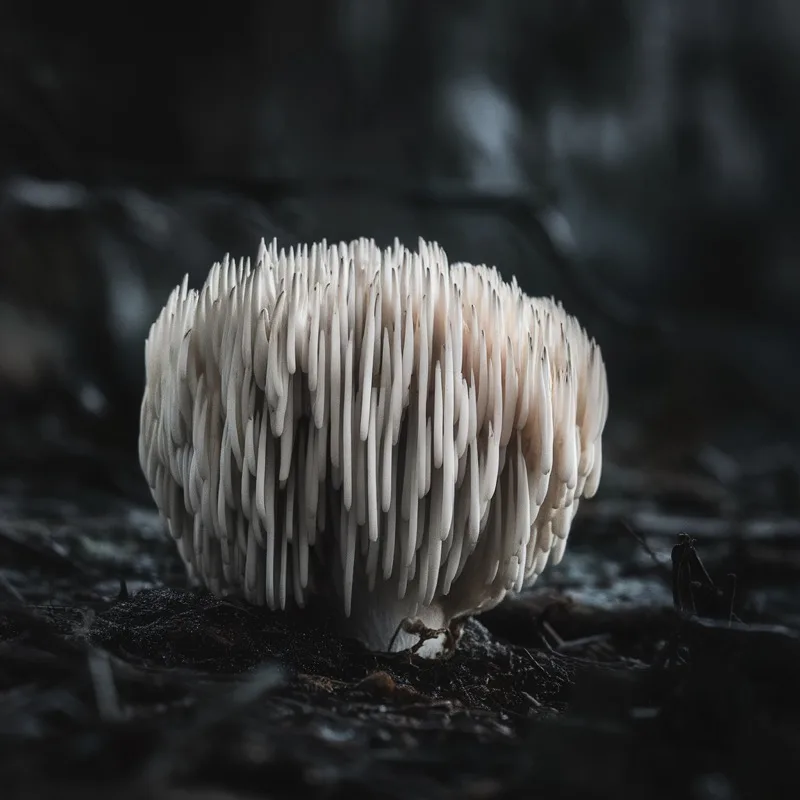
Lion's Mane
Hericium erinaceus
Hericium erinaceus is a saprotrophic fungus of the family Hericiaceae, commonly found on dead or wounded hardwood trees in North America, Europe, and Asia. Its morphology is characterized by a large, irregular, bulbous fruiting body with long, dangling spines, lacking a distinct cap or stipe. Key pharmacological properties are attributed to its unique bioactive compounds, including hericenones and erinacines, which have demonstrated neuroprotective and neurotrophic effects by stimulating nerve growth factor (NGF) synthesis in preclinical and clinical studies.
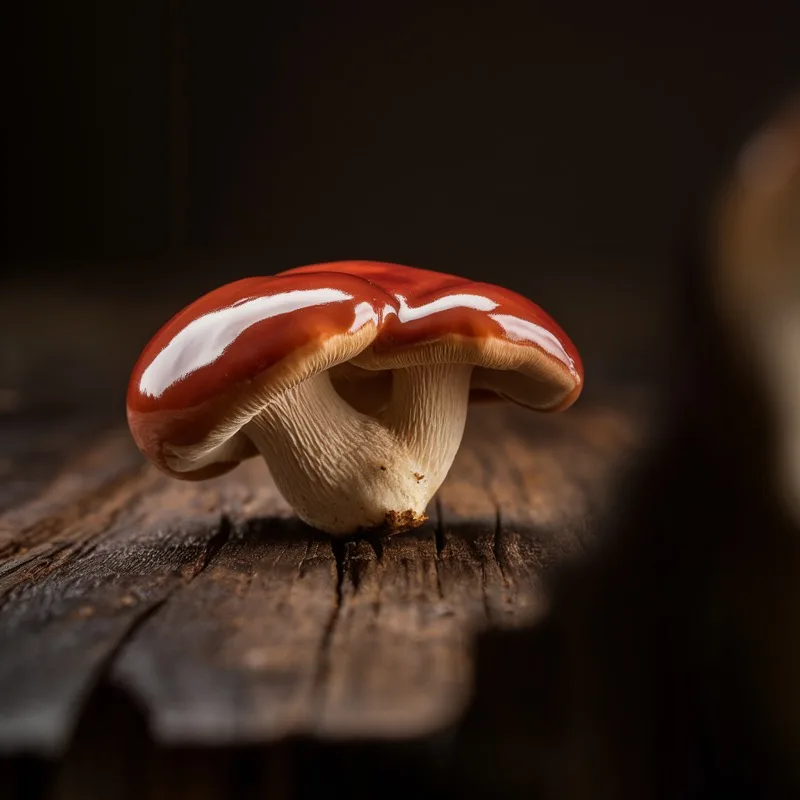
Reishi
Ganoderma lucidum
Ganoderma lucidum is a polypore basidiomycetous fungus belonging to the family Ganodermataceae, characterized by its laccate cap surface and double-walled basidiospores. This large, woody mushroom thrives in hot and humid subtropical climates, growing on decaying hardwood, and is identified by its distinct red-varnished, fan-like or kidney-shaped cap. Its key pharmacological properties include immunomodulation, hepatoprotection, and adaptogenic effects, primarily mediated by its rich content of polysaccharides and over 130 identified triterpenoid compounds.
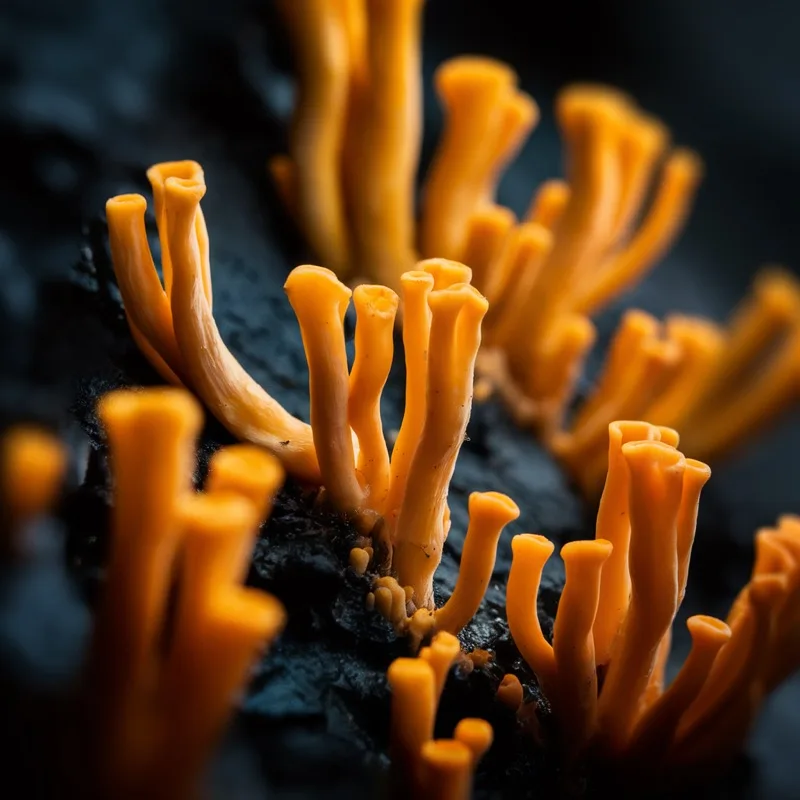
Cordyceps
Cordyceps militaris
Cordyceps militaris is a parasitic ascomycete fungus belonging to the phylum Ascomycota, which primarily grows on the pupae of insects in the Northern Hemisphere. It is characterized by its bright orange-red, club-shaped fruiting body that emerges from the deceased host. This fungus is a source of several bioactive compounds, most notably cordycepin (3'-deoxyadenosine) and adenosine, which are nucleoside analogs with demonstrated effects on cellular energy metabolism, oxygen utilization, and anti-inflammatory pathways.
Cordyceps sinensis Guides & Articles
Click anywhere or press Escape to close