Beginner Friendly

$14.95
View Review
Psilocybe cubensis
Medically reviewed by Dr. Irvine Russell, M.D.
Psilocybe cubensis is a psychedelic basidiomycete fungus containing psilocybin and psilocin, serotonin 5-HT2A receptor agonists under extensive clinical investigation. Clinical trials at Johns Hopkins, Imperial College London, and NYU show remarkable results for treatment-resistant depression, anxiety, PTSD, addiction, and end-of-life distress. Psilocybin-containing truffles (sclerotia) are legally sold in the Netherlands, while magic mushroom grow kits are available from Dutch and European smartshops. Microdosing — taking sub-perceptual doses — has gained mainstream popularity for cognitive enhancement, creativity, and mood support. Over 200 species of psilocybin-containing mushrooms exist worldwide, with Psilocybe cubensis being the most commonly cultivated.
#14
Popularity Rank
Extensive
Research Level
3
References
5
Key Compounds
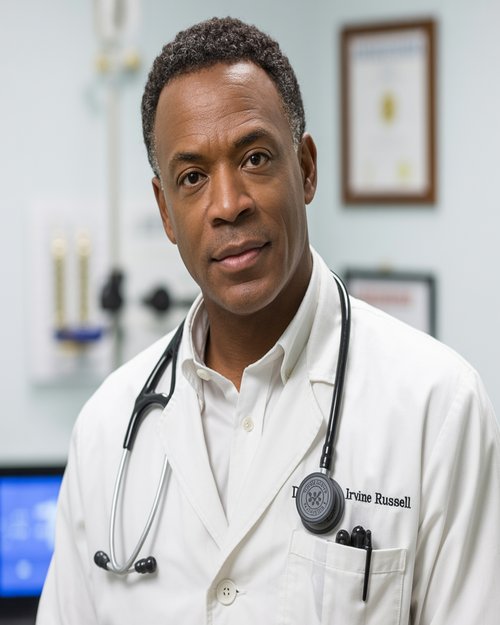
Board-Certified Physician · Medical Reviewer · Last Reviewed February 12, 2026
Psilocybin Mushrooms (Psilocybe cubensis) is a functional mushroom with a extensive level of scientific research supporting its use. Its primary bioactive compounds — Psilocybin, Psilocin, Baeocystin, and 2 others — have been studied for benefits including mental health, neuroplasticity, depression relief, anxiety relief. Multiple human clinical trials have investigated Psilocybin Mushrooms, making it one of the most evidence-backed functional mushrooms available. Psilocybin Mushrooms is ranked #14 in popularity among functional mushroom species, with 3 cited research references in our database. The most commonly recommended form is dried fruiting body. Typical supplemental dosages range from 500 mg to 3,000 mg per day depending on extract concentration and intended use.
Psilocybin Mushrooms has been extensively studied in both preclinical and clinical research. Multiple human trials have investigated its potential benefits.
In plain English, Psilocybin mushrooms — commonly called "magic mushrooms" or simply "shrooms" — are a group of fungi that contain the psychoactive compound psilocybin, which your body converts into...
Psilocybin Mushrooms has been used in traditional medicine systems for centuries, particularly in Traditional Chinese Medicine (TCM) and other Asian healing practices.
Historical Context: Traditional use does not guarantee efficacy or safety. Modern research is ongoing to validate traditional claims.
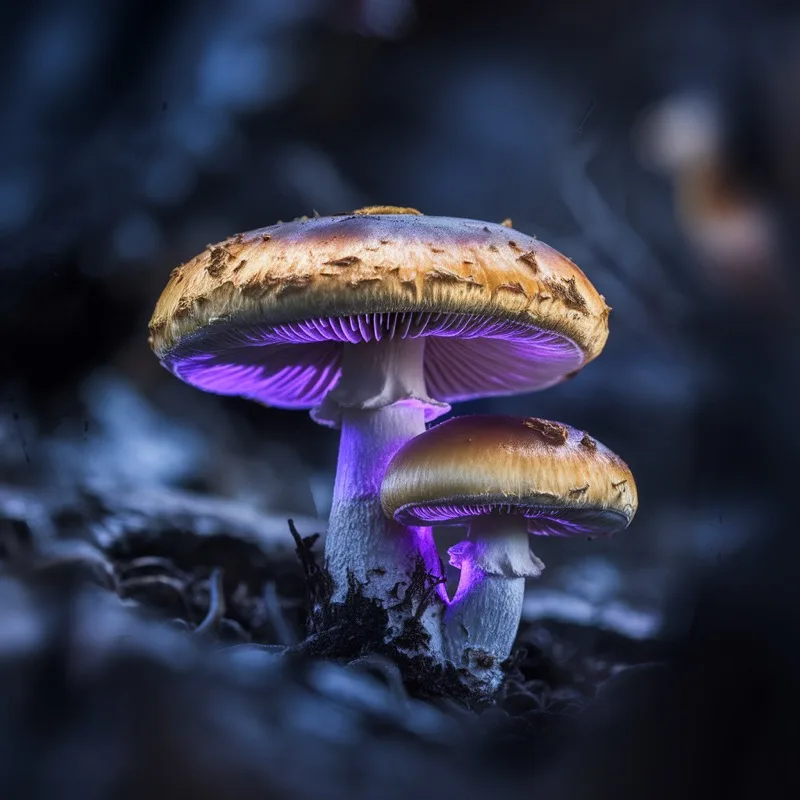
In plain English, Psilocybin mushrooms — commonly called "magic mushrooms" or simply "shrooms" — are a group of fungi that contain the psychoactive compound psilocybin, which your body converts into psilocin. This substance activates serotonin receptors in the brain, producing altered states of consciousness that can include visual changes, profound emotional experiences, and shifts in how you perceive time and reality. Psilocybe cubensis is the most well-known species, recognized by its golden-brown caps and tendency to grow in tropical pastures.
What's genuinely remarkable about psilocybin is that it's undergone a dramatic shift from counterculture substance to serious medical research subject. Major institutions — Johns Hopkins, NYU, Imperial College London, and many others — have conducted rigorous clinical trials showing that psilocybin-assisted therapy may be profoundly effective for treatment-resistant depression, end-of-life anxiety, PTSD, and addiction. The FDA has granted psilocybin "Breakthrough Therapy" designation, a status reserved for treatments that show substantially better results than existing options.
The research results have been striking. In clinical settings, a single or small number of psilocybin sessions — always accompanied by professional therapeutic support — have produced lasting improvements in depression that persisted for months or even years after treatment. Many participants describe the experience as one of the most meaningful of their lives. The mechanism appears to involve a temporary increase in neuroplasticity, essentially allowing the brain to form new neural connections and break free from rigid patterns of thought associated with depression and anxiety.
It's crucial to understand the legal landscape: psilocybin remains a Schedule I controlled substance in most of the United States and is illegal in many countries worldwide. However, legal access is expanding. Oregon has implemented a regulated psilocybin therapy program, Colorado has decriminalized it, and several other jurisdictions are following suit. In clinical trials, psilocybin is administered in carefully controlled therapeutic environments with trained professionals — very different from unsupervised recreational use.
Beyond full psychedelic experiences, "microdosing" — taking sub-perceptual doses (typically 50–300 mg of dried mushroom, or about 1/10th to 1/20th of an active dose) — has become extremely popular. Users report enhanced creativity, improved mood, better focus, and increased emotional openness, though controlled research on microdosing is still limited and results are mixed, with some studies suggesting placebo effects may account for some of the reported benefits.
If you're in a jurisdiction where psilocybin is legal or if you're participating in a clinical program, working with experienced professionals is strongly recommended. Set and setting — your mindset and physical environment — are considered critical factors in shaping the experience. Psilocybin is physiologically very safe (it has one of the lowest toxicity profiles of any psychoactive substance), but psychological preparation and professional support are important for ensuring positive outcomes. This is a space where the science is evolving rapidly, and staying informed through reputable sources is essential.
Top products containing verified Psilocybe cubensis extracts.


Personalized dosage recommendations based on your experience level, body weight, and goals.
Board-Certified Physician · Medical Reviewer
Board-certified physician affiliated with UC Irvine, the Gavin Herbert Eye Institute, and the UCI School of Medicine. Dr. Russell reviews all mushroom encyclopedia entries for scientific accuracy, ensuring claims are supported by peer-reviewed research.
Last reviewed: February 12, 2026
Click anywhere or press Escape to close