
Buyer's Guide · Updated Feb 2026
Best Mushroom Supplements for Immune Support
Your immune system is only as strong as what you feed it. Turkey Tail, Reishi, Chaga, and Maitake contain powerful beta-glucans that train immune cells to respond faster and smarter. Here are the best products for 2026.
🏆 Our Top Pick

Auri Super Mushroom Daily Gummies
12-mushroom super blend with Turkey Tail, Reishi, Chaga, and Maitake — maximum immune coverage
Top 5 Immunity Supplements
Auri Super Mushroom Daily Gummies
🏆 Our Top Pick12-mushroom super blend with Turkey Tail, Reishi, Chaga, and Maitake — maximum immune coverage

Shroomiez Mushroom Chocolate Bar - Cookies & Cream
Best ChocolateReishi + Chaga + Turkey Tail chocolate bar — tasty daily immunity ritual

RYZE Mushroom Hot Chocolate
Best Hot Drink6-mushroom blend hot chocolate with Turkey Tail and Reishi for immune support

Plant People Mushroom Gummies
Best Clean LabelClean, plant-forward formula with immune-focused mushroom blend

STEM Mushroom Chocolate Bar - Salted Caramel
Best TastingLion's Mane + Reishi + Chaga in a premium salted caramel bar
Beta-Glucans & Immune Function
Beta-glucans are the star compounds behind mushroom immunity. These complex polysaccharides are found in fungal cell walls and are the most clinically studied bioactive compounds in medicinal mushrooms.
How Beta-Glucans Activate Immunity
When you consume mushroom beta-glucans, they bind to pattern recognition receptors on innate immune cells — specifically Dectin-1 and Complement Receptor 3 (CR3) on macrophages, neutrophils, and dendritic cells. This binding triggers a cascade of immune responses:
- Macrophage activation — enhanced phagocytosis (ability to engulf pathogens)
- Natural Killer cell stimulation — increased cytotoxicity against virus-infected and abnormal cells
- Cytokine modulation — balanced production of inflammatory and anti-inflammatory signalling molecules
- T-cell and B-cell activation — enhanced adaptive immunity for long-term pathogen memory
Immunomodulation, Not Immunostimulation
A critical distinction: mushroom beta-glucans are immunomodulators, not immunostimulants. They don't blindly crank up immune activity (which could worsen autoimmune conditions). Instead, they train the immune system to respond more appropriately — upregulating when under attack, and calming down when the threat passes. This bidirectional activity is what makes them remarkably safe for long-term daily use.
Beta-Glucan Content by Species
Not all mushrooms are created equal. Here's how the key immunity species compare:
| Species | Beta-Glucan % | Key Compounds | Primary Immune Action |
|---|---|---|---|
| Turkey Tail | 30–40% | PSK, PSP | NK cell & T-cell activation |
| Reishi | 25–35% | Triterpenes, polysaccharides | Immunomodulation + anti-inflammatory |
| Chaga | 20–30% | Betulinic acid, melanin | Antioxidant + macrophage activation |
| Maitake | 25–35% | D-Fraction, MD-Fraction | Dendritic cell maturation |
Species Breakdown
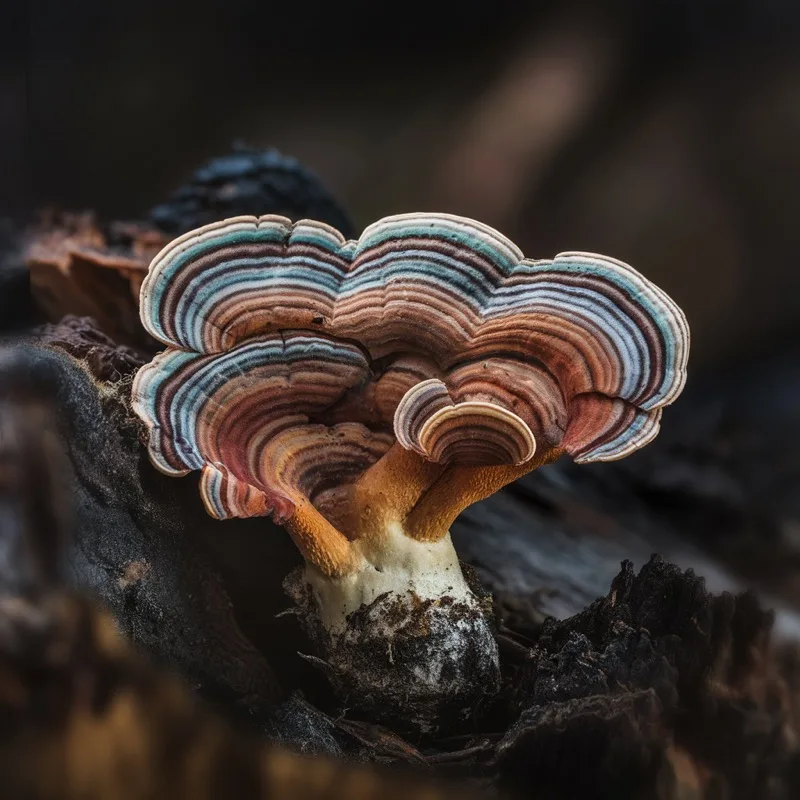
Turkey Tail
Trametes versicolor
The most researched immune mushroom. PSK and PSP activate NK cells and T-cells. Approved as adjunct therapy in Japan.
Best for: Overall immune defence
Learn more →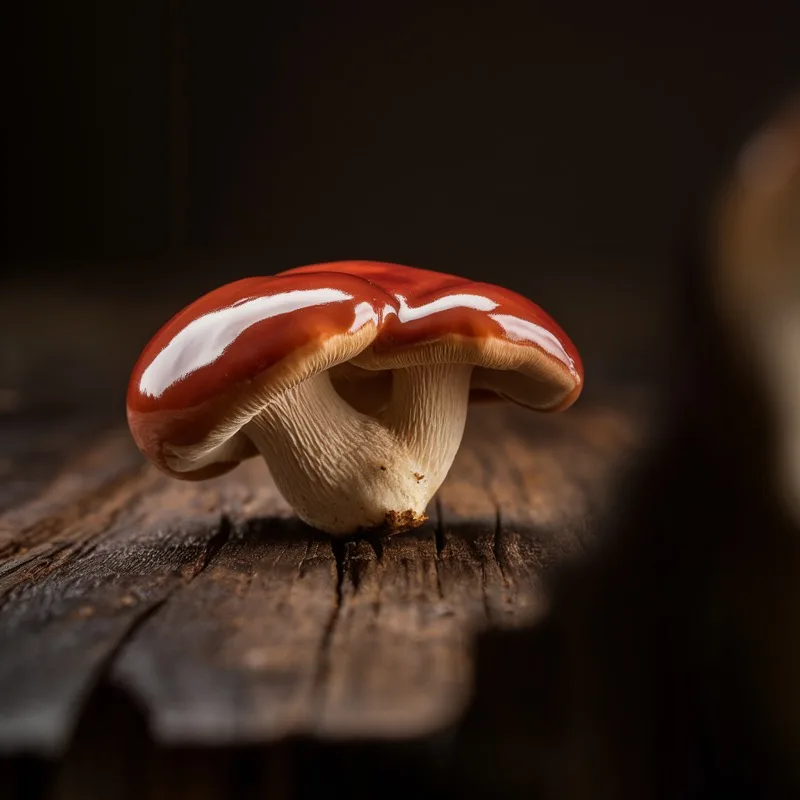
Reishi
Ganoderma lucidum
The "Mushroom of Immortality." Powerful immunomodulator with anti-inflammatory triterpenes. Balances immune response.
Best for: Immune balance + calm
Learn more →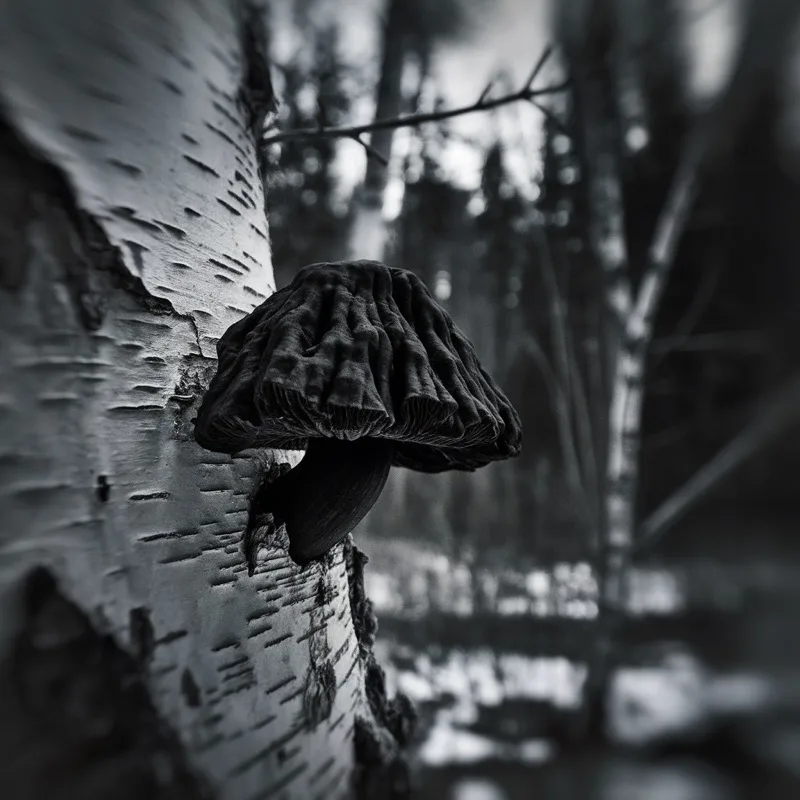
Chaga
Inonotus obliquus
Extraordinary antioxidant power (ORAC >100,000). Protects immune cells from oxidative damage while activating macrophages.
Best for: Antioxidant immune support
Learn more →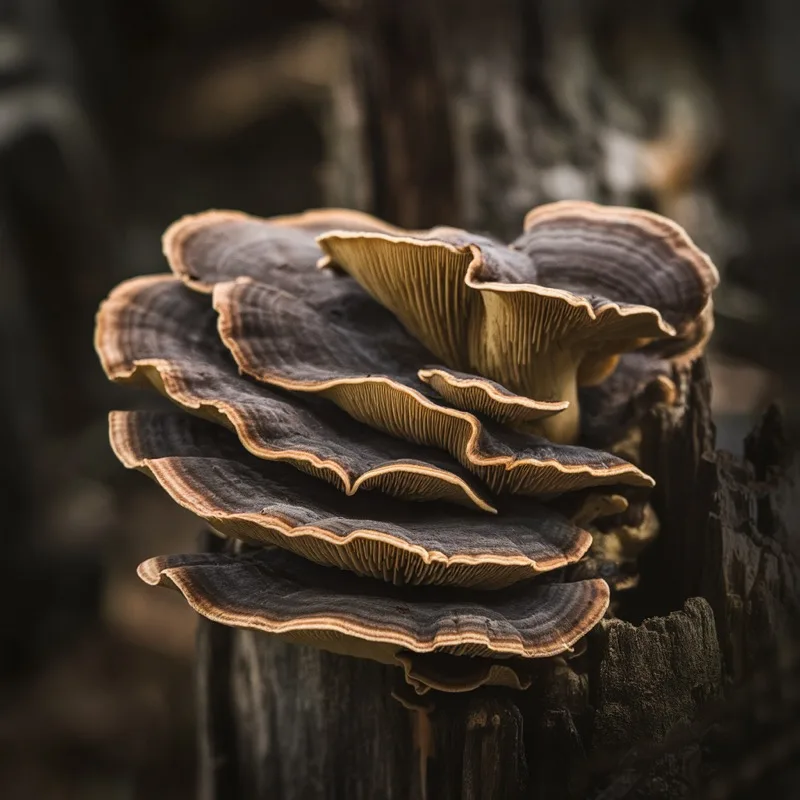
Maitake
Grifola frondosa
The "Dancing Mushroom." D-Fraction and MD-Fraction enhance dendritic cell maturation, bridging innate and adaptive immunity.
Best for: Adaptive immune priming
Learn more →Clinical Research Highlights
Turkey Tail PSK — Immune Cell Activation
A meta-analysis of 13 randomised controlled trials (n=8,009) published in Cancer Immunology, Immunotherapy found that PSK supplementation significantly improved survival rates in gastric and colorectal cancer patients when combined with standard treatment. PSK enhanced NK cell activity, T-cell counts, and cytokine production.
Fritz et al., 2015 | DOI: 10.1007/s00262-015-1727-x
Reishi — Immune Modulation in Healthy Adults
A 2012 study in Immunological Investigations showed that 12 weeks of Reishi supplementation (1,680 mg/day) in healthy volunteers increased lymphocyte proliferative response and NK cell activity while reducing inflammatory markers, demonstrating its immunomodulatory (not just immunostimulatory) properties.
Wachtel-Galor et al., 2012
Maitake D-Fraction — Dendritic Cell Maturation
Research published in the Annals of the New York Academy of Sciences demonstrated that Maitake D-Fraction enhanced dendritic cell maturation and function, improving the bridge between innate and adaptive immune responses. This is significant because dendritic cells are the "sentinels" that present antigens to T-cells, initiating targeted immune responses.
Kodama et al., 2003
Product Comparison
| Product | Rating | Price | COA | Format |
|---|---|---|---|---|
| Auri Super Mushroom Daily Gummies TOP PICK | 8.4/10 | $55 | ✅ | mushroom gummies |
| Shroomiez Mushroom Chocolate Bar - Cookies & Cream | 8/10 | $7.49 | ❌ | mushroom chocolate bars |
| RYZE Mushroom Hot Chocolate | 8.7/10 | $45 | ✅ | mushroom hot chocolate |
| Plant People Mushroom Gummies | 8.6/10 | $49.99 | ✅ | mushroom gummies |
| STEM Mushroom Chocolate Bar - Salted Caramel | 8.4/10 | $8.49 | ✅ | mushroom chocolate bars |
Frequently Asked Questions
Which mushroom is best for immune support?
Turkey Tail (Trametes versicolor) has the most clinical evidence for immune support. Its polysaccharide compounds PSK and PSP have been extensively studied — PSK is actually an approved adjunct cancer therapy in Japan. Turkey Tail's beta-glucans activate both innate and adaptive immune cells, including natural killer cells, T-cells, and macrophages. For broadest immune support, combine Turkey Tail with Reishi and Chaga.
What are beta-glucans and why do they matter for immunity?
Beta-glucans are polysaccharide compounds found in mushroom cell walls. They bind to receptors on immune cells (particularly Dectin-1 and CR3 receptors on macrophages and neutrophils), activating them to identify and destroy pathogens more effectively. Think of beta-glucans as 'training exercises' for your immune system — they keep it alert and responsive without causing overstimulation. Mushrooms with the highest beta-glucan content include Turkey Tail, Reishi, Maitake, and Chaga.
How long does it take for mushroom supplements to support immunity?
Innate immune markers (natural killer cell activity, cytokine production) can shift within 1–2 weeks of consistent supplementation. However, for meaningful, sustained immune modulation — including adaptive immune benefits — most research suggests 4–8 weeks of daily use. A 2012 study on Turkey Tail showed significant immune improvements after 8 weeks of supplementation at 3,000 mg/day.
Can I take immune mushrooms during cold and flu season?
Yes — in fact, this is when they may be most beneficial. Mushroom beta-glucans prime the immune system for faster pathogen response. Ideally, begin supplementation before cold and flu season for preventive benefit. However, starting during illness can also help. Reishi is particularly useful during active illness thanks to its anti-inflammatory triterpenes, which help modulate the immune response and reduce symptom severity.
Are mushroom immune supplements safe for daily long-term use?
Yes. Turkey Tail, Reishi, Chaga, and Maitake have extensive safety data at standard supplemental doses (1,000–3,000 mg/day). These mushrooms have been used in traditional medicine for thousands of years and are consumed as food in many cultures. The key concern is quality: choose products with third-party COA verification, fruiting body extracts, and disclosed beta-glucan content. Consult your doctor if you're on immunosuppressants, as mushroom immunomodulators could theoretically interfere.