
MUSHROOM ENCICLOPEDIA.
Profundice en los perfiles botánicos, la investigación clínica y los compuestos activos de cada especie de hongo funcional. Verificado por expertos, respaldado por pruebas.
Revisado médicamente por Dr. Irvine Russell, M.D. médico colegiado
MOST ESTUDIADO.
Especies con el mayor número de pruebas clínicas.
 Amplia
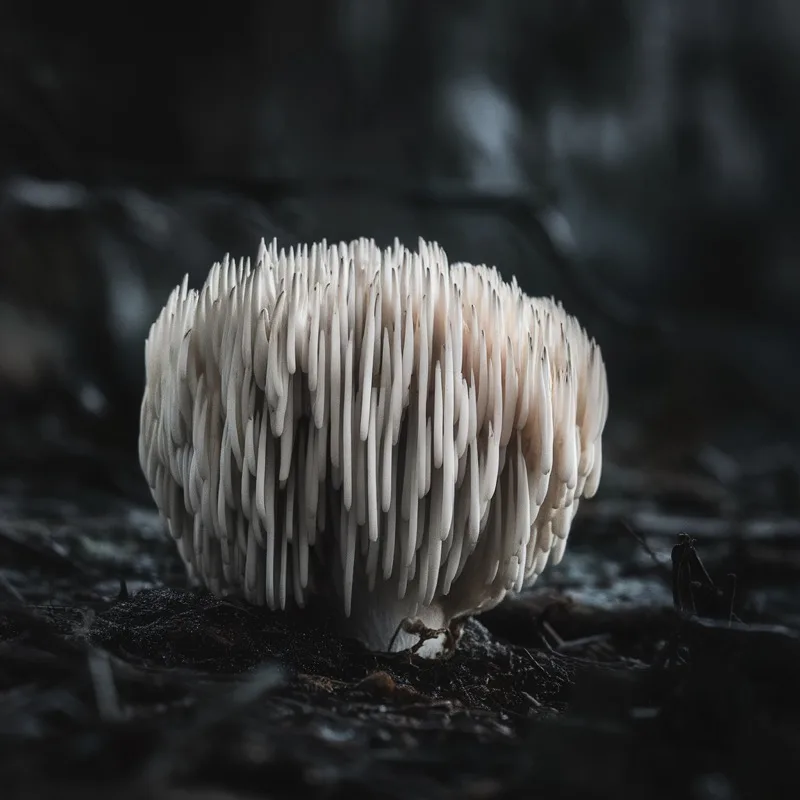
Lion's Mane
Hericium erinaceus
Hericium erinaceus is a saprotrophic fungus of the family Hericiaceae, commonly found on dead or wounded hardwood trees in North America, Europe, and Asia. Its morphology is characterized by a large, irregular, bulbous fruiting body with long, dangling spines, lacking a distinct cap or stipe. Key pharmacological properties are attributed to its unique bioactive compounds, including hericenones and erinacines, which have demonstrated neuroprotective and neurotrophic effects by stimulating nerve growth factor (NGF) synthesis in preclinical and clinical studies.
 Amplia
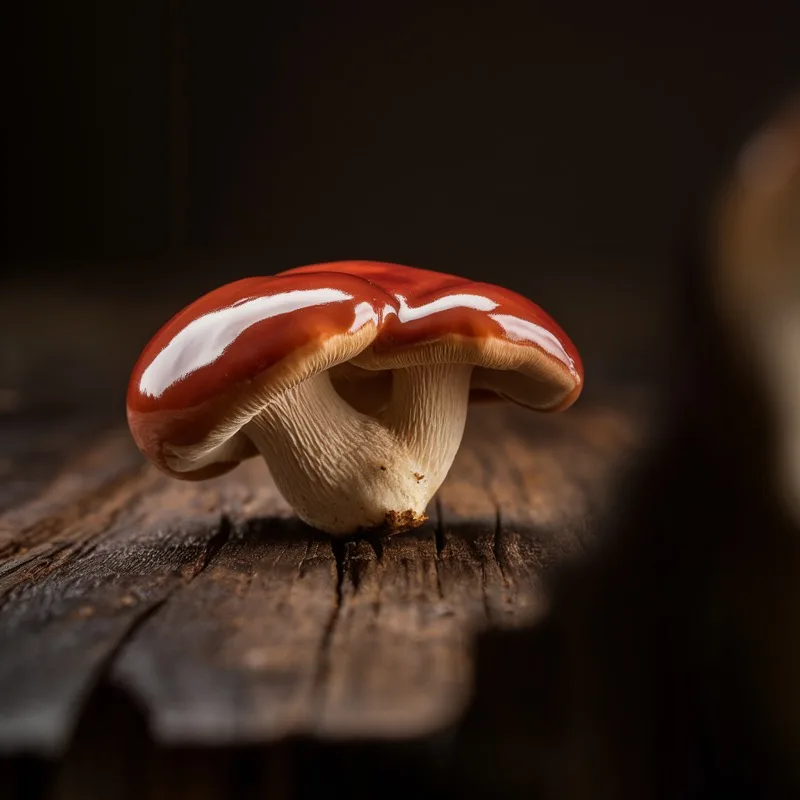
Reishi
Ganoderma lucidum
Ganoderma lucidum is a polypore basidiomycetous fungus belonging to the family Ganodermataceae, characterized by its laccate cap surface and double-walled basidiospores. This large, woody mushroom thrives in hot and humid subtropical climates, growing on decaying hardwood, and is identified by its distinct red-varnished, fan-like or kidney-shaped cap. Its key pharmacological properties include immunomodulation, hepatoprotection, and adaptogenic effects, primarily mediated by its rich content of polysaccharides and over 130 identified triterpenoid compounds.
 Amplia
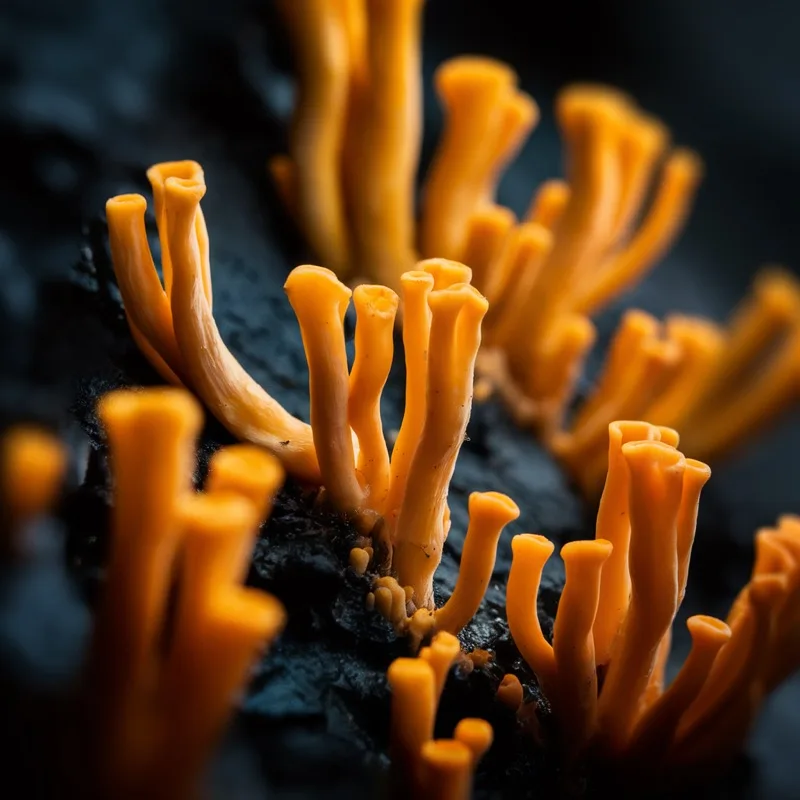
Cordyceps
Cordyceps militaris
Cordyceps militaris is a parasitic ascomycete fungus belonging to the phylum Ascomycota, which primarily grows on the pupae of insects in the Northern Hemisphere. It is characterized by its bright orange-red, club-shaped fruiting body that emerges from the deceased host. This fungus is a source of several bioactive compounds, most notably cordycepin (3'-deoxyadenosine) and adenosine, which are nucleoside analogs with demonstrated effects on cellular energy metabolism, oxygen utilization, and anti-inflammatory pathways.
 Amplia
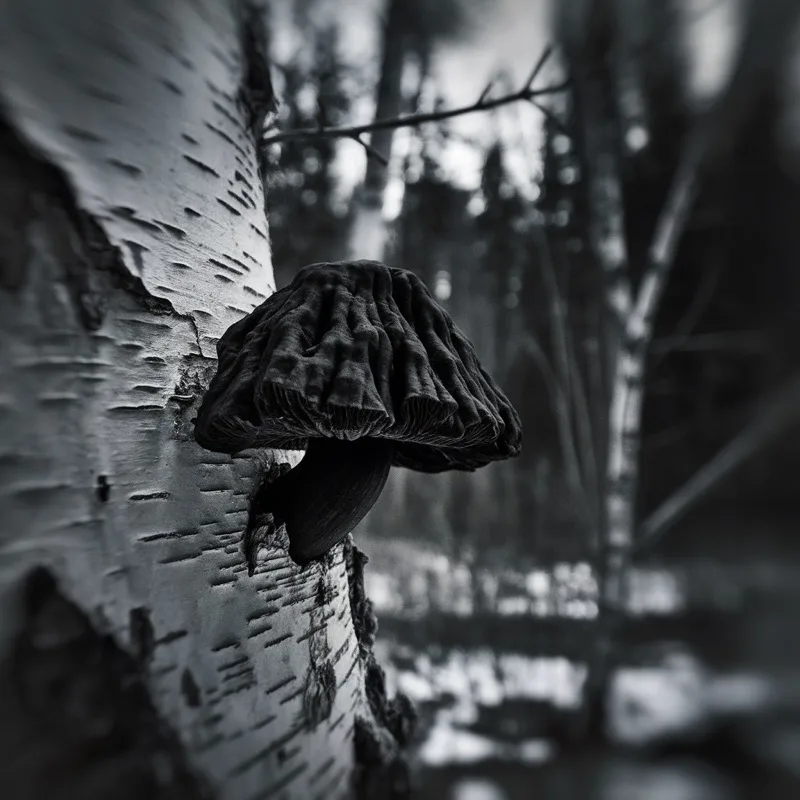
Chaga
Inonotus obliquus
Inonotus obliquus is a parasitic fungus of the family Hymenochaetaceae, primarily found on birch trees in circumboreal forests. It presents as a sterile, black, and irregularly shaped sclerotium (mass of mycelium) rather than a true fruiting body, causing white heart rot in its host. This sclerotium is rich in melanin and contains various bioactive compounds, including polysaccharides, triterpenoids (betulin, betulinic acid, inotodiol), and polyphenols, which are responsible for its notable antioxidant, anti-inflammatory, and immunomodulatory properties.
 Amplia
Turkey Tail
Trametes versicolor
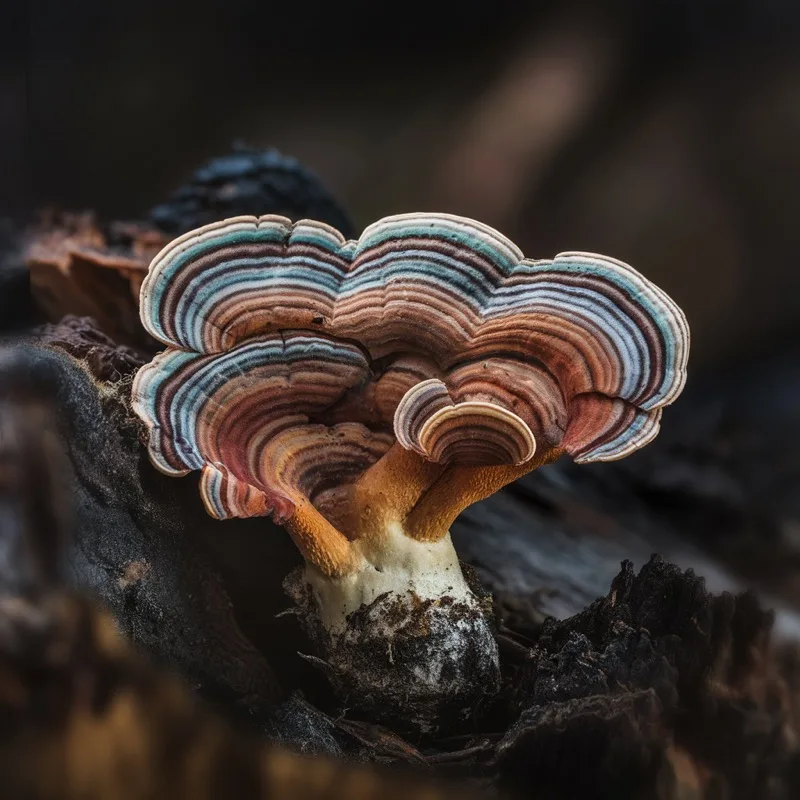
Trametes versicolor is a polypore mushroom in the family Polyporaceae, found worldwide on dead and decaying hardwood logs and stumps. Its morphology is characterized by thin, leathery, fan-shaped fruiting bodies with distinct concentric zones of varying colors. This white-rot fungus possesses significant pharmacological properties, primarily attributed to its protein-bound polysaccharides — Polysaccharide-K (PSK) and Polysaccharide-Peptide (PSP) — which are known for their immunomodulatory effects and have been used as approved adjunct cancer therapies in Japan since 1977.
 Amplia
Shiitake
Lentinula edodes
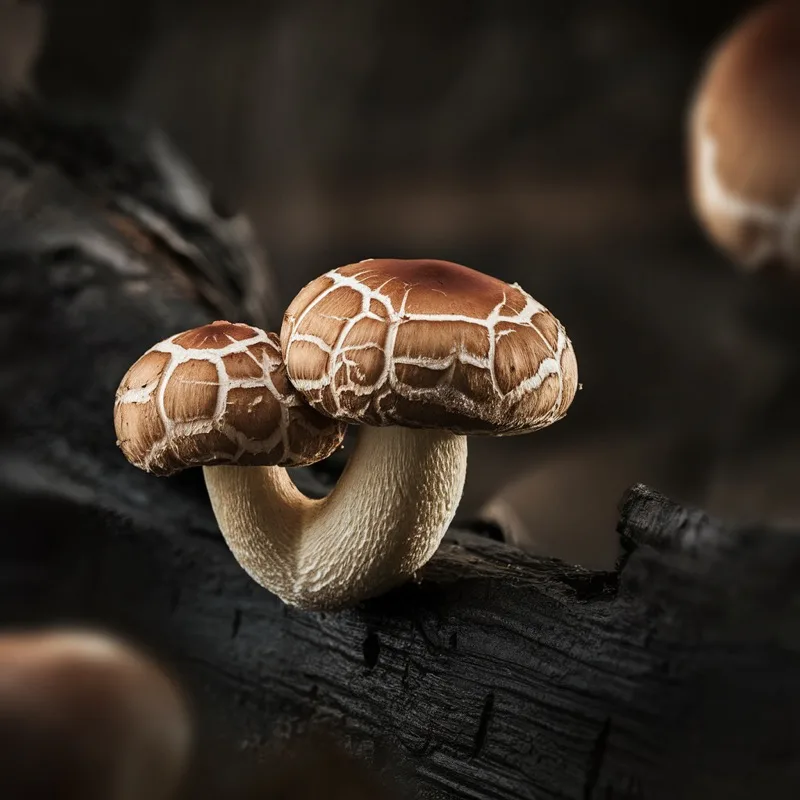
Lentinula edodes is a saprotrophic fungus belonging to the family Omphalotaceae, native to East Asia, where it thrives on decaying hardwood trees, particularly oak and other broad-leaved species. The fruiting body is characterized by a convex to flat, brown-colored cap ranging from 5 to 25 cm in diameter, with a distinctive scaly texture and white gills. Key pharmacological properties are attributed to its rich composition of bioactive compounds, including the polysaccharide lentinan — an approved adjunct immunotherapy in Japan — and eritadenine, which has demonstrated cholesterol-lowering effects in clinical studies.
 Amplia
White Button
Agaricus bisporus
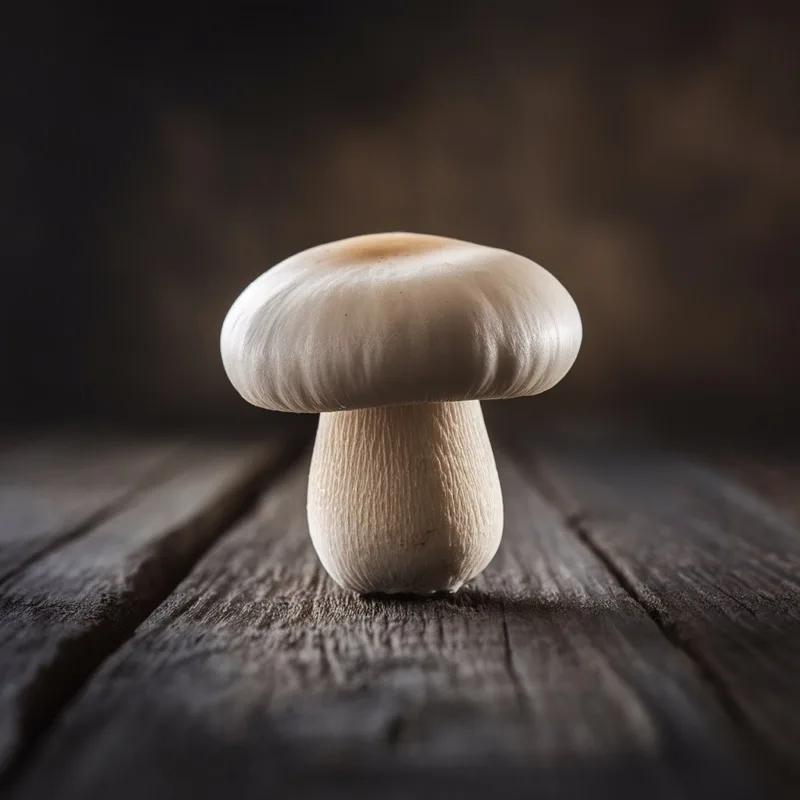
Agaricus bisporus is a basidiomycete fungus belonging to the family Agaricaceae, native to grasslands in Eurasia and North America. This saprotrophic species thrives in humus-rich soil and compost, with a pileus that is initially hemispherical and becomes convex to flattened with age, gills that progress from pink to dark brown, and a stipe bearing a persistent annulus. Key pharmacological properties are attributed to its rich composition of polysaccharides (β-glucans), ergosterol (a precursor to vitamin D2 upon UV exposure), and ergothioneine — a powerful antioxidant amino acid — which exhibit antioxidant, anti-inflammatory, and immunomodulatory effects.
 Amplia
Psilocybin Mushrooms
Psilocybe cubensis
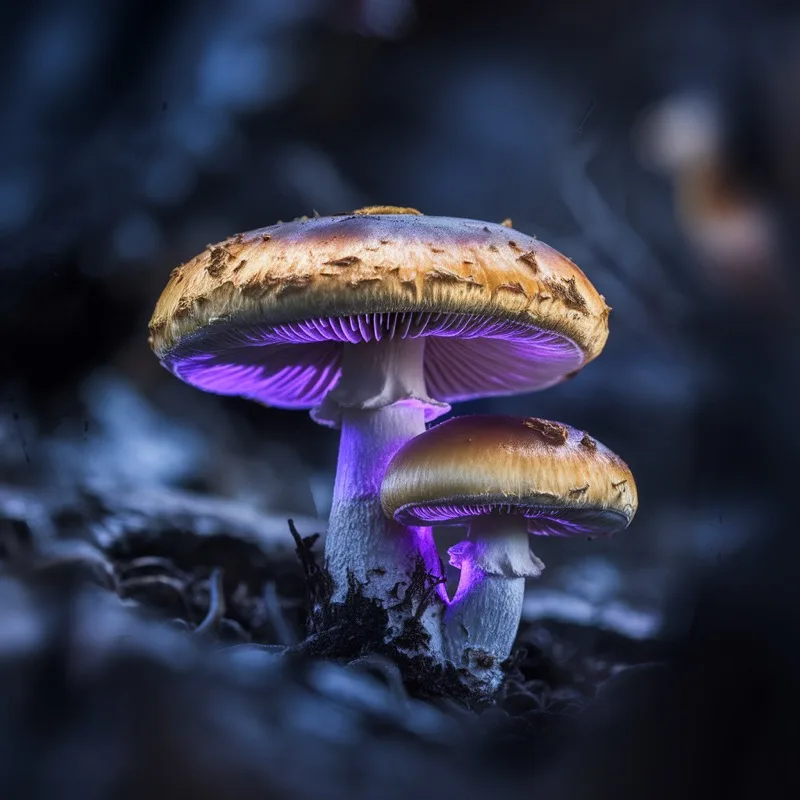
Psilocybe cubensis is a psychedelic basidiomycete fungus containing psilocybin and psilocin, serotonin 5-HT2A receptor agonists under extensive clinical investigation. Clinical trials at Johns Hopkins, Imperial College London, and NYU show remarkable results for treatment-resistant depression, anxiety, PTSD, addiction, and end-of-life distress. Psilocybin-containing truffles (sclerotia) are legally sold in the Netherlands, while magic mushroom grow kits are available from Dutch and European smartshops. Microdosing — taking sub-perceptual doses — has gained mainstream popularity for cognitive enhancement, creativity, and mood support. Over 200 species of psilocybin-containing mushrooms exist worldwide, with Psilocybe cubensis being the most commonly cultivated.
 Amplia
Mexicana
Psilocybe mexicana
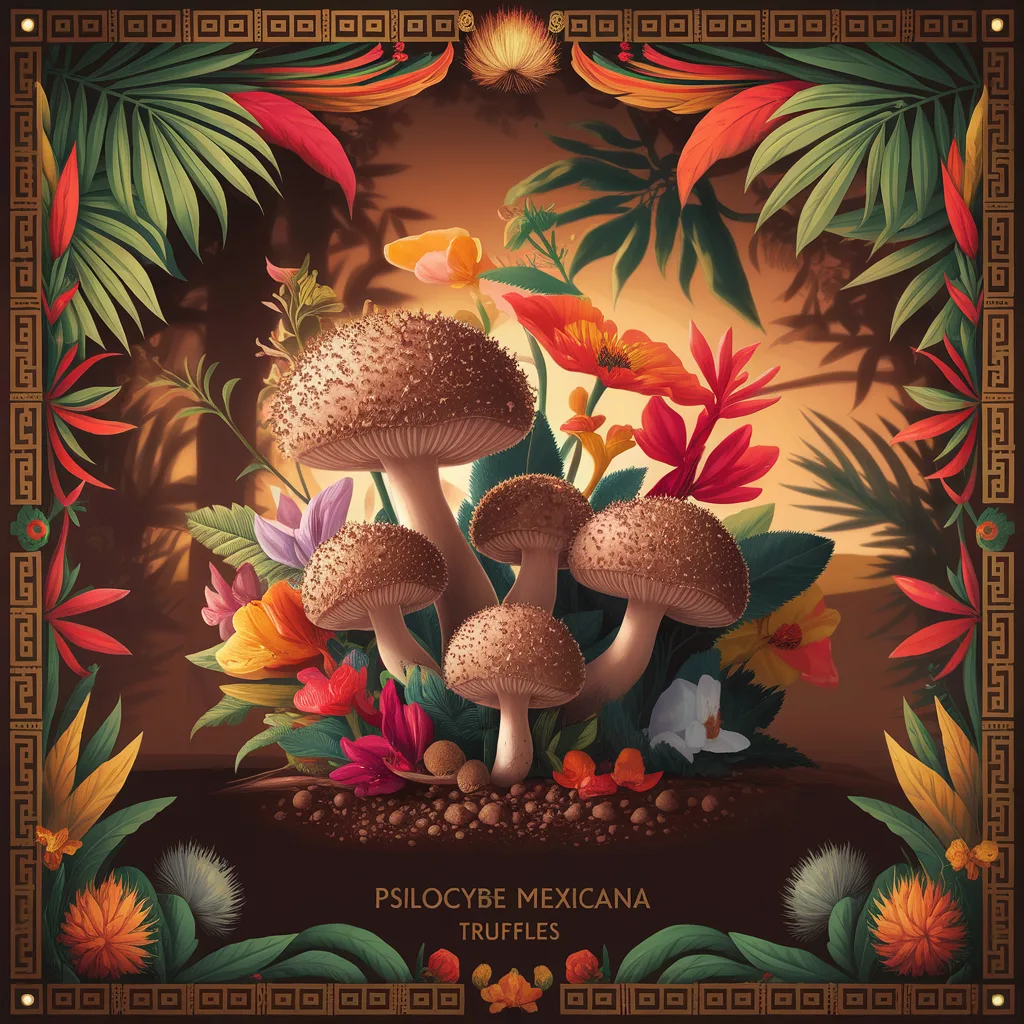
Psilocybe mexicana is a historically pivotal psilocybin-containing species native to Central America, particularly the highlands of Mexico and Guatemala, where it has been used in Mazatec indigenous ceremonial contexts for centuries. It holds unique scientific significance as the species from which Albert Hofmann and Roger Heim first isolated and characterized pure psilocybin and psilocin in 1958–1959, establishing the biochemical basis of all subsequent psychedelic mushroom research. Like P. tampanensis and P. atlantis, P. mexicana can produce sclerotia — psilocybin-containing underground truffles — though fruiting body production is also well-documented. Commercial cultivation in the Netherlands centers on the sclerotia, which are legally sold as magic truffles. Potency is considered mild to moderate, with psilocybin content in sclerotia generally lower than P. atlantis or commercial Hollandia cultivars. The experiential profile is characterized by euphoria, sociability, and a light, often playful quality distinct from deeper introspective varieties.
 Amplia
Oyster Mushroom
Pleurotus ostreatus
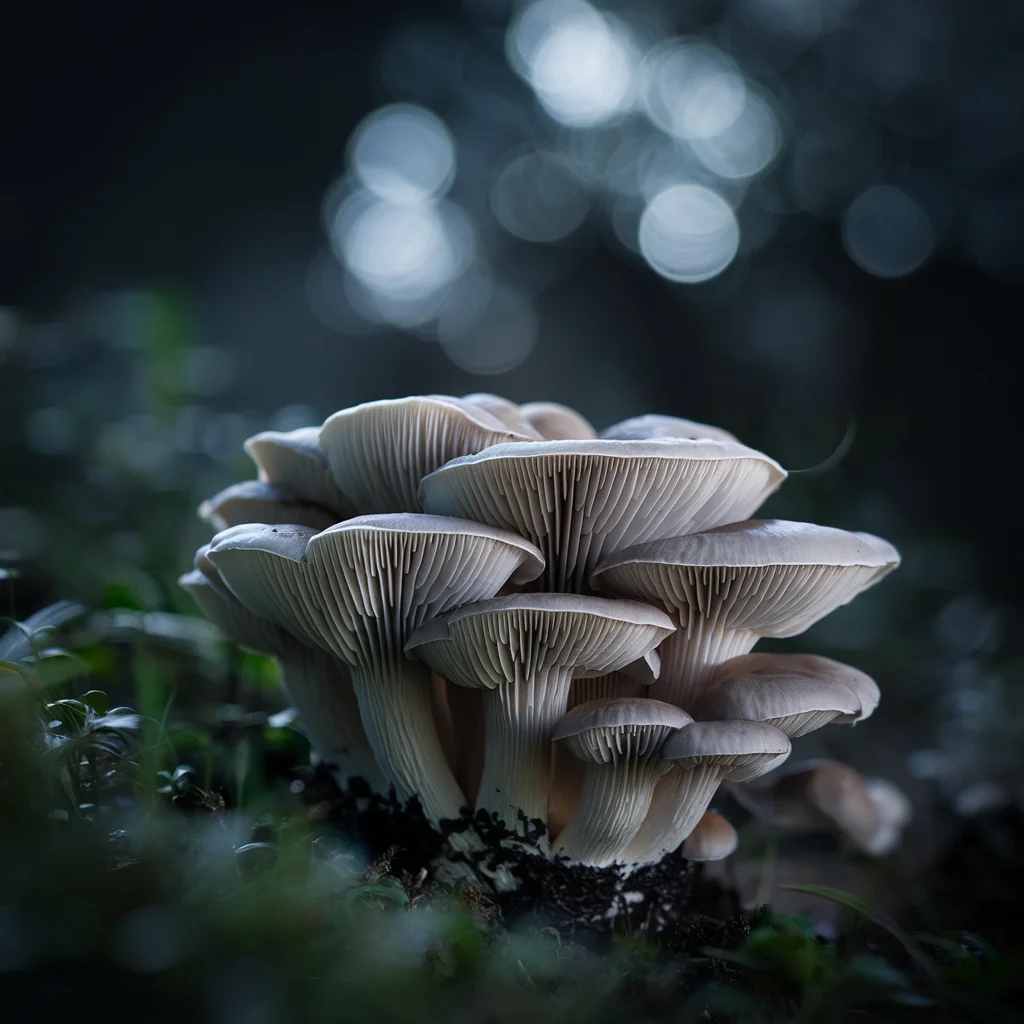
Pleurotus ostreatus is a saprotrophic basidiomycete fungus belonging to the family Pleurotaceae, order Agaricales. It is one of the most widely cultivated edible mushrooms globally, characterized by its broad, fan-shaped or oyster-shaped pileus (2–30 cm), which ranges in color from white to grey, tan, or brown. The gills are white, decurrent, and closely spaced, running down a short, eccentric or lateral stipe. As a white-rot fungus, it colonizes dead or dying hardwood trees and is notable for its nematophagous properties — the ability to capture and digest nematodes for nitrogen supplementation. Pharmacologically, P. ostreatus is distinguished by its naturally occurring lovastatin content (an HMG-CoA reductase inhibitor), high beta-glucan polysaccharides with demonstrated immunomodulatory activity, and significant ergothioneine concentrations, a potent cellular antioxidant. Clinical and preclinical studies have demonstrated cholesterol-lowering, anti-inflammatory, antidiabetic, and immunostimulatory properties.
 Amplia
Meshima
Phellinus linteus
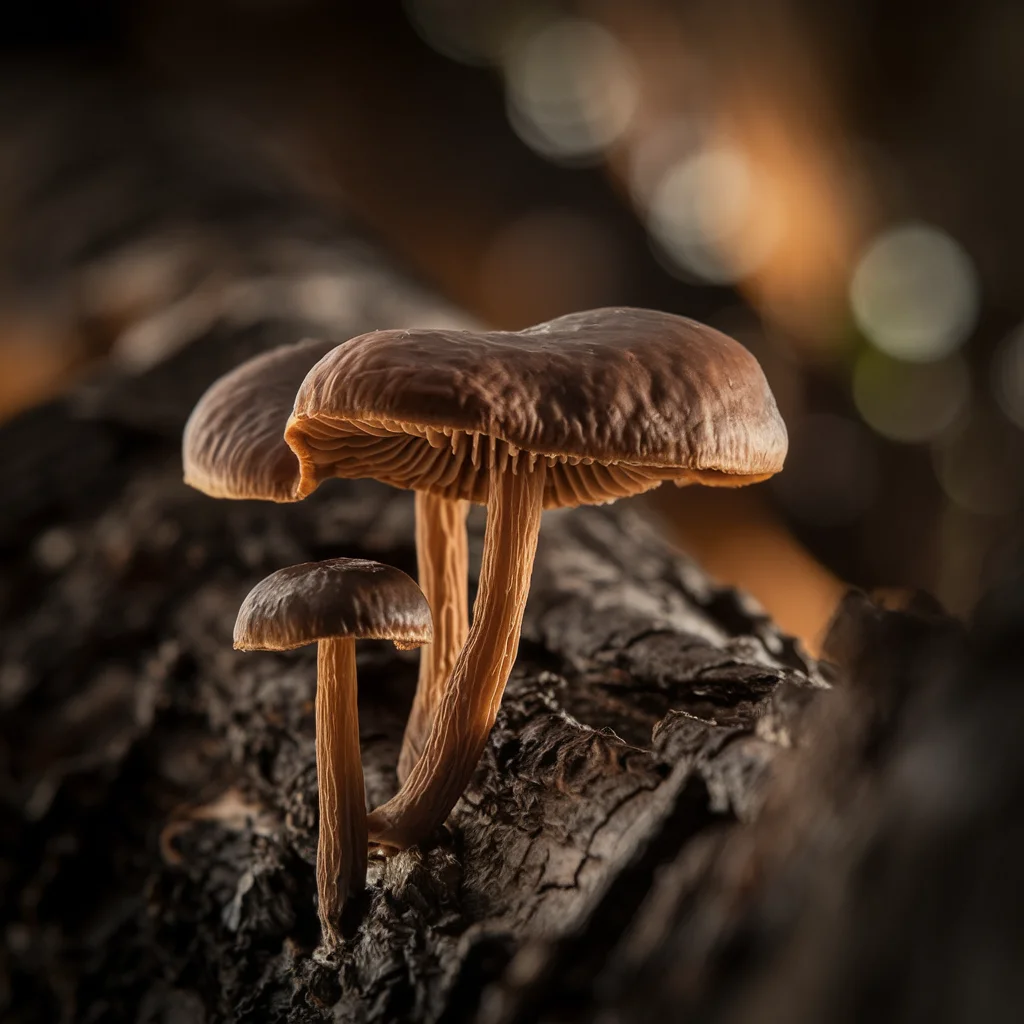
Phellinus linteus is a perennial polypore fungus of the family Hymenochaetaceae, forming large, woody, hoof-shaped basidiocarps on the trunks of living and dead hardwood trees, particularly mulberry (Morus spp.). The fruiting body is characterized by a dark brown to black upper surface with concentric zonation, a golden-yellow to brown pore surface, and extremely hard, woody tissue. Known as Meshima (women's island) in Japan, Sang-Hwang in Korea, and Song Gen in China, it has been used in East Asian traditional medicine for centuries. P. linteus has become one of the most intensively studied medicinal mushrooms in East Asian oncology, with over 100 published studies documenting its immunomodulatory, anti-tumor, anti-inflammatory, and antioxidant properties, primarily attributed to hispolon (a polyphenol), proteoglycans, and high-molecular-weight polysaccharides.
 Amplia
Cordyceps sinensis
Ophiocordyceps sinensis
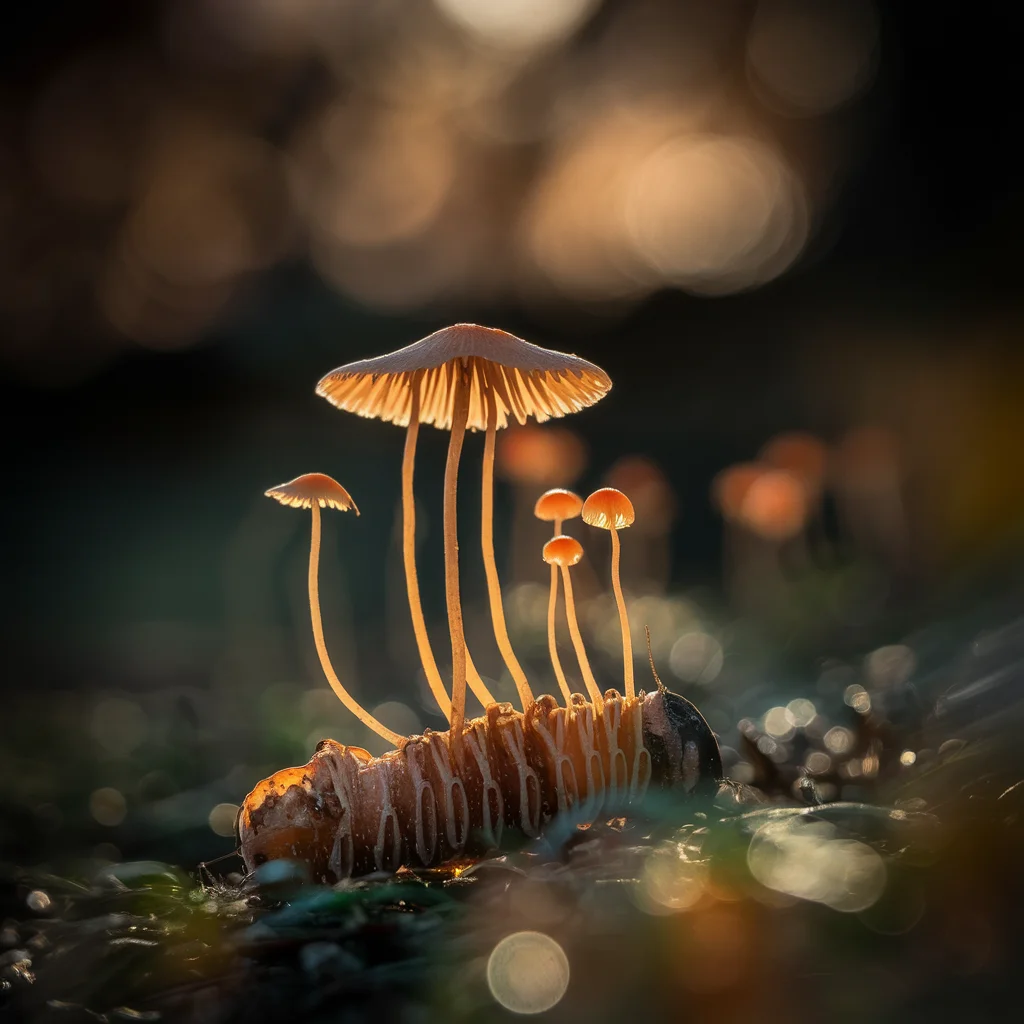
Ophiocordyceps sinensis (formerly Cordyceps sinensis) is an entomopathogenic ascomycete fungus of the family Ophiocordycipitaceae that parasitizes larvae of ghost moths (Thitarodes/Hepialus spp.) in the alpine grasslands of the Tibetan Plateau and Himalayan regions at elevations of 3,000–5,000 meters. The fungus infects the larva, mummifies it underground, and produces a slender, dark brown stroma (4–10 cm) that emerges from the host's head in spring. Known as Dong Chong Xia Cao ('winter worm, summer grass') in Chinese and Yartsa Gunbu in Tibetan, it is one of the most expensive biological commodities on Earth, with premium specimens commanding $20,000–$100,000+ per kilogram. Unlike the commercially cultivated Cordyceps militaris (which produces cordycepin abundantly), wild O. sinensis contains lower cordycepin concentrations but a unique profile of adenosine, cordycepic acid (D-mannitol), polysaccharides, and sterols that have been valued in Traditional Chinese and Tibetan Medicine for over 1,500 years.
 Amplia
Liberty Cap
Psilocybe semilanceata
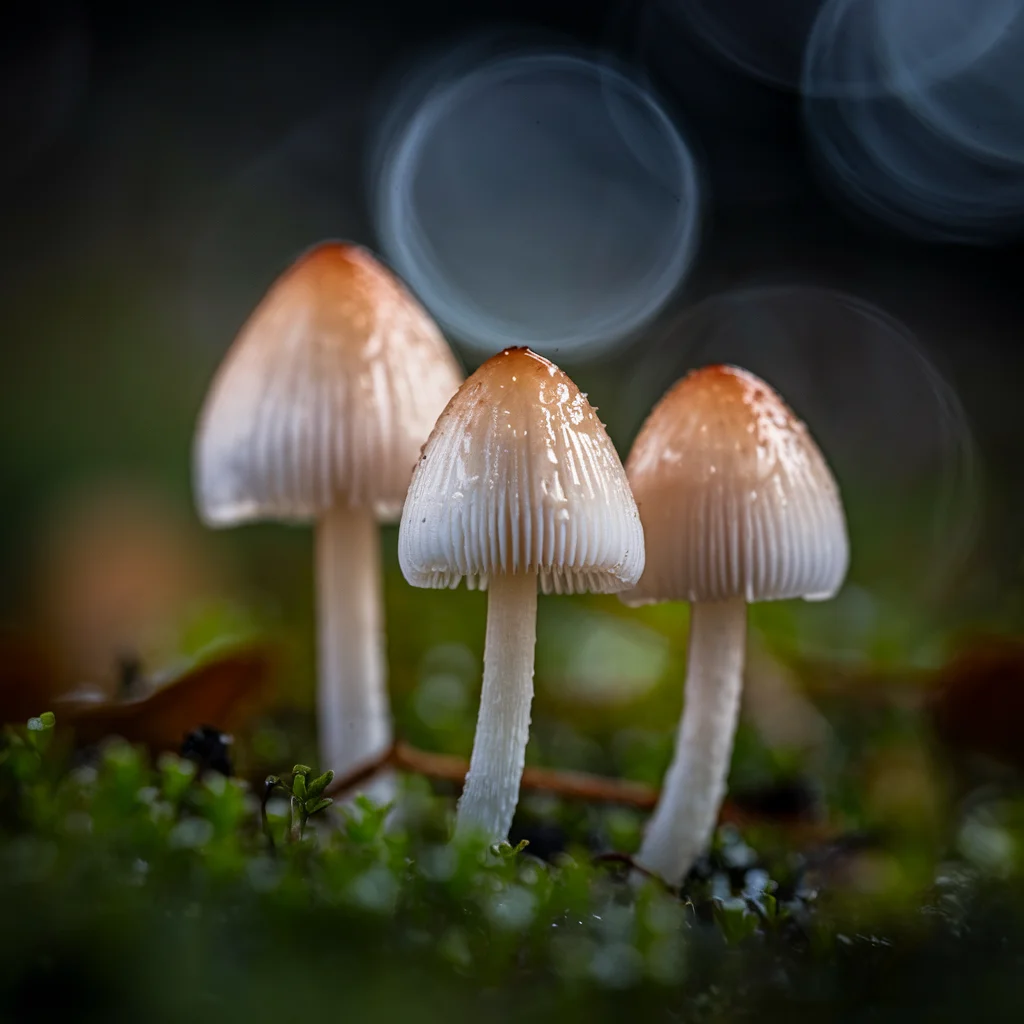
Psilocybe semilanceata is a saprotrophic psilocybin-containing mushroom of the family Hymenogastraceae, widely regarded as the most common and abundant wild psilocybin species in Europe and the British Isles. It is characterized by its small size (cap diameter 5–25 mm), distinctive conical to bell-shaped pileus with a pronounced papilla (nipple-like protrusion) at the apex, hygrophanous coloration ranging from chestnut brown when moist to pale straw-yellow when dry, and a thin, flexuous stipe (4–10 cm). P. semilanceata fruits in autumn (September–November) in acidic, nutrient-poor grasslands, particularly sheep and cattle pastures, across temperate regions of Europe, North America, and parts of Australasia. It was one of the first psilocybin species identified by Albert Hofmann in 1963 and contains psilocybin concentrations of 0.2–2.37% dry weight, making it moderately to highly potent. It is the most culturally significant psilocybin mushroom in European tradition.
EXPLORAR TODO ESPECIES.
Lion's Mane
Hericium erinaceus
Hericium erinaceus is a saprotrophic fungus of the family Hericiaceae, commonly found on dead or wounded hardwood trees in North America, Europe, and Asia. Its morphology is characterized by a large, irregular, bulbous fruiting body with long, dangling spines, lacking a distinct cap or stipe. Key pharmacological properties are attributed to its unique bioactive compounds, including hericenones and erinacines, which have demonstrated neuroprotective and neurotrophic effects by stimulating nerve growth factor (NGF) synthesis in preclinical and clinical studies.
Reishi
Ganoderma lucidum
Ganoderma lucidum is a polypore basidiomycetous fungus belonging to the family Ganodermataceae, characterized by its laccate cap surface and double-walled basidiospores. This large, woody mushroom thrives in hot and humid subtropical climates, growing on decaying hardwood, and is identified by its distinct red-varnished, fan-like or kidney-shaped cap. Its key pharmacological properties include immunomodulation, hepatoprotection, and adaptogenic effects, primarily mediated by its rich content of polysaccharides and over 130 identified triterpenoid compounds.
Cordyceps
Cordyceps militaris
Cordyceps militaris is a parasitic ascomycete fungus belonging to the phylum Ascomycota, which primarily grows on the pupae of insects in the Northern Hemisphere. It is characterized by its bright orange-red, club-shaped fruiting body that emerges from the deceased host. This fungus is a source of several bioactive compounds, most notably cordycepin (3'-deoxyadenosine) and adenosine, which are nucleoside analogs with demonstrated effects on cellular energy metabolism, oxygen utilization, and anti-inflammatory pathways.
Chaga
Inonotus obliquus
Inonotus obliquus is a parasitic fungus of the family Hymenochaetaceae, primarily found on birch trees in circumboreal forests. It presents as a sterile, black, and irregularly shaped sclerotium (mass of mycelium) rather than a true fruiting body, causing white heart rot in its host. This sclerotium is rich in melanin and contains various bioactive compounds, including polysaccharides, triterpenoids (betulin, betulinic acid, inotodiol), and polyphenols, which are responsible for its notable antioxidant, anti-inflammatory, and immunomodulatory properties.
Turkey Tail
Trametes versicolor
Trametes versicolor is a polypore mushroom in the family Polyporaceae, found worldwide on dead and decaying hardwood logs and stumps. Its morphology is characterized by thin, leathery, fan-shaped fruiting bodies with distinct concentric zones of varying colors. This white-rot fungus possesses significant pharmacological properties, primarily attributed to its protein-bound polysaccharides — Polysaccharide-K (PSK) and Polysaccharide-Peptide (PSP) — which are known for their immunomodulatory effects and have been used as approved adjunct cancer therapies in Japan since 1977.
Shiitake
Lentinula edodes
Lentinula edodes is a saprotrophic fungus belonging to the family Omphalotaceae, native to East Asia, where it thrives on decaying hardwood trees, particularly oak and other broad-leaved species. The fruiting body is characterized by a convex to flat, brown-colored cap ranging from 5 to 25 cm in diameter, with a distinctive scaly texture and white gills. Key pharmacological properties are attributed to its rich composition of bioactive compounds, including the polysaccharide lentinan — an approved adjunct immunotherapy in Japan — and eritadenine, which has demonstrated cholesterol-lowering effects in clinical studies.
White Button
Agaricus bisporus
Agaricus bisporus is a basidiomycete fungus belonging to the family Agaricaceae, native to grasslands in Eurasia and North America. This saprotrophic species thrives in humus-rich soil and compost, with a pileus that is initially hemispherical and becomes convex to flattened with age, gills that progress from pink to dark brown, and a stipe bearing a persistent annulus. Key pharmacological properties are attributed to its rich composition of polysaccharides (β-glucans), ergosterol (a precursor to vitamin D2 upon UV exposure), and ergothioneine — a powerful antioxidant amino acid — which exhibit antioxidant, anti-inflammatory, and immunomodulatory effects.
Psilocybin Mushrooms
Psilocybe cubensis
Psilocybe cubensis is a psychedelic basidiomycete fungus containing psilocybin and psilocin, serotonin 5-HT2A receptor agonists under extensive clinical investigation. Clinical trials at Johns Hopkins, Imperial College London, and NYU show remarkable results for treatment-resistant depression, anxiety, PTSD, addiction, and end-of-life distress. Psilocybin-containing truffles (sclerotia) are legally sold in the Netherlands, while magic mushroom grow kits are available from Dutch and European smartshops. Microdosing — taking sub-perceptual doses — has gained mainstream popularity for cognitive enhancement, creativity, and mood support. Over 200 species of psilocybin-containing mushrooms exist worldwide, with Psilocybe cubensis being the most commonly cultivated.
Mexicana
Psilocybe mexicana
Psilocybe mexicana is a historically pivotal psilocybin-containing species native to Central America, particularly the highlands of Mexico and Guatemala, where it has been used in Mazatec indigenous ceremonial contexts for centuries. It holds unique scientific significance as the species from which Albert Hofmann and Roger Heim first isolated and characterized pure psilocybin and psilocin in 1958–1959, establishing the biochemical basis of all subsequent psychedelic mushroom research. Like P. tampanensis and P. atlantis, P. mexicana can produce sclerotia — psilocybin-containing underground truffles — though fruiting body production is also well-documented. Commercial cultivation in the Netherlands centers on the sclerotia, which are legally sold as magic truffles. Potency is considered mild to moderate, with psilocybin content in sclerotia generally lower than P. atlantis or commercial Hollandia cultivars. The experiential profile is characterized by euphoria, sociability, and a light, often playful quality distinct from deeper introspective varieties.
Oyster Mushroom
Pleurotus ostreatus
Pleurotus ostreatus is a saprotrophic basidiomycete fungus belonging to the family Pleurotaceae, order Agaricales. It is one of the most widely cultivated edible mushrooms globally, characterized by its broad, fan-shaped or oyster-shaped pileus (2–30 cm), which ranges in color from white to grey, tan, or brown. The gills are white, decurrent, and closely spaced, running down a short, eccentric or lateral stipe. As a white-rot fungus, it colonizes dead or dying hardwood trees and is notable for its nematophagous properties — the ability to capture and digest nematodes for nitrogen supplementation. Pharmacologically, P. ostreatus is distinguished by its naturally occurring lovastatin content (an HMG-CoA reductase inhibitor), high beta-glucan polysaccharides with demonstrated immunomodulatory activity, and significant ergothioneine concentrations, a potent cellular antioxidant. Clinical and preclinical studies have demonstrated cholesterol-lowering, anti-inflammatory, antidiabetic, and immunostimulatory properties.
Meshima
Phellinus linteus
Phellinus linteus is a perennial polypore fungus of the family Hymenochaetaceae, forming large, woody, hoof-shaped basidiocarps on the trunks of living and dead hardwood trees, particularly mulberry (Morus spp.). The fruiting body is characterized by a dark brown to black upper surface with concentric zonation, a golden-yellow to brown pore surface, and extremely hard, woody tissue. Known as Meshima (women's island) in Japan, Sang-Hwang in Korea, and Song Gen in China, it has been used in East Asian traditional medicine for centuries. P. linteus has become one of the most intensively studied medicinal mushrooms in East Asian oncology, with over 100 published studies documenting its immunomodulatory, anti-tumor, anti-inflammatory, and antioxidant properties, primarily attributed to hispolon (a polyphenol), proteoglycans, and high-molecular-weight polysaccharides.
Cordyceps sinensis
Ophiocordyceps sinensis
Ophiocordyceps sinensis (formerly Cordyceps sinensis) is an entomopathogenic ascomycete fungus of the family Ophiocordycipitaceae that parasitizes larvae of ghost moths (Thitarodes/Hepialus spp.) in the alpine grasslands of the Tibetan Plateau and Himalayan regions at elevations of 3,000–5,000 meters. The fungus infects the larva, mummifies it underground, and produces a slender, dark brown stroma (4–10 cm) that emerges from the host's head in spring. Known as Dong Chong Xia Cao ('winter worm, summer grass') in Chinese and Yartsa Gunbu in Tibetan, it is one of the most expensive biological commodities on Earth, with premium specimens commanding $20,000–$100,000+ per kilogram. Unlike the commercially cultivated Cordyceps militaris (which produces cordycepin abundantly), wild O. sinensis contains lower cordycepin concentrations but a unique profile of adenosine, cordycepic acid (D-mannitol), polysaccharides, and sterols that have been valued in Traditional Chinese and Tibetan Medicine for over 1,500 years.
Liberty Cap
Psilocybe semilanceata
Psilocybe semilanceata is a saprotrophic psilocybin-containing mushroom of the family Hymenogastraceae, widely regarded as the most common and abundant wild psilocybin species in Europe and the British Isles. It is characterized by its small size (cap diameter 5–25 mm), distinctive conical to bell-shaped pileus with a pronounced papilla (nipple-like protrusion) at the apex, hygrophanous coloration ranging from chestnut brown when moist to pale straw-yellow when dry, and a thin, flexuous stipe (4–10 cm). P. semilanceata fruits in autumn (September–November) in acidic, nutrient-poor grasslands, particularly sheep and cattle pastures, across temperate regions of Europe, North America, and parts of Australasia. It was one of the first psilocybin species identified by Albert Hofmann in 1963 and contains psilocybin concentrations of 0.2–2.37% dry weight, making it moderately to highly potent. It is the most culturally significant psilocybin mushroom in European tradition.
Maitake
Grifola frondosa
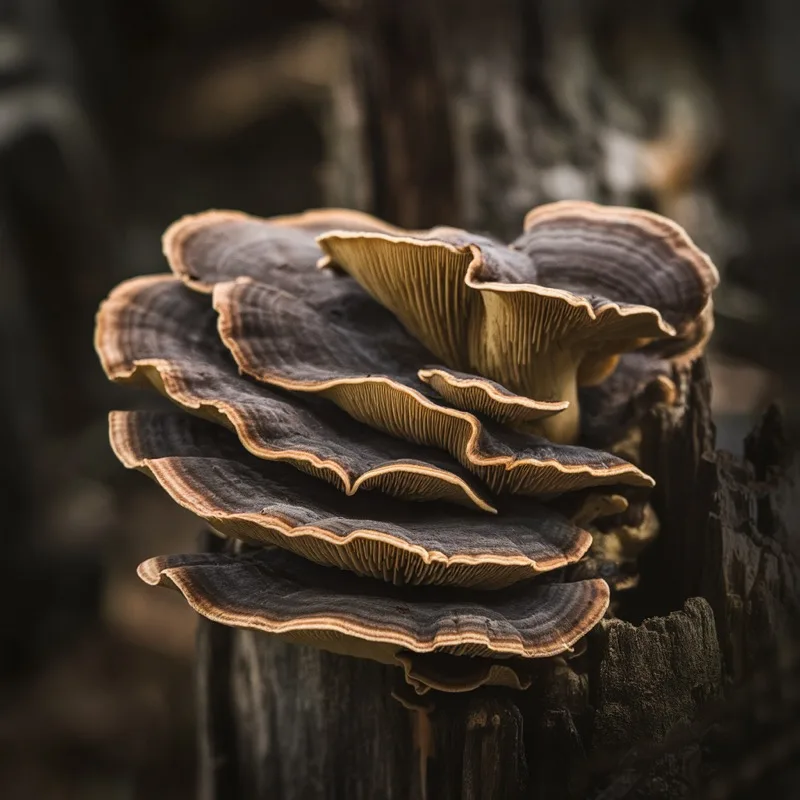
Grifola frondosa is a polypore mushroom belonging to the Meripilaceae family, found at the base of trees, especially oaks and maples, in China, Europe, and North America. Its morphology is characterized by large clusters of grayish-brown, spoon-shaped caps with wavy margins and a branched, cream-colored stipe. Key pharmacological properties include immunomodulation, blood sugar regulation, and potential anti-tumor effects, largely attributed to its polysaccharide constituents — particularly beta-glucans and the D-fraction, a purified beta-glucan extract with demonstrated immunostimulatory activity in clinical studies.
King Trumpet
Pleurotus eryngii
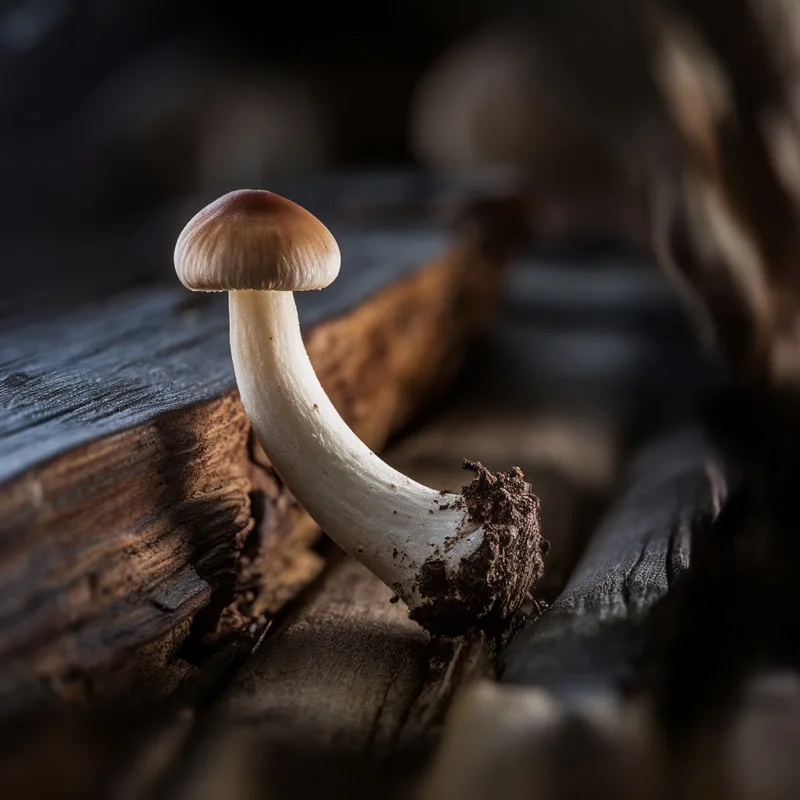
Pleurotus eryngii is a saprotrophic fungus of the Pleurotaceae family within the Basidiomycota, native to Mediterranean regions, Central Europe, and Western Asia. It uniquely grows in association with the roots of herbaceous plants in the Apiaceae family, particularly Eryngium species. Morphologically, it is characterized by a thick, fleshy white stipe and a smaller, convex, tan-colored pileus with decurrent, whitish gills. Key pharmacological properties include high concentrations of the antioxidant ergothioneine, along with bioactive compounds that contribute to its immunomodulatory, antihyperlipidemic, and cholesterol-lowering activities.
Tremella
Tremella fuciformis
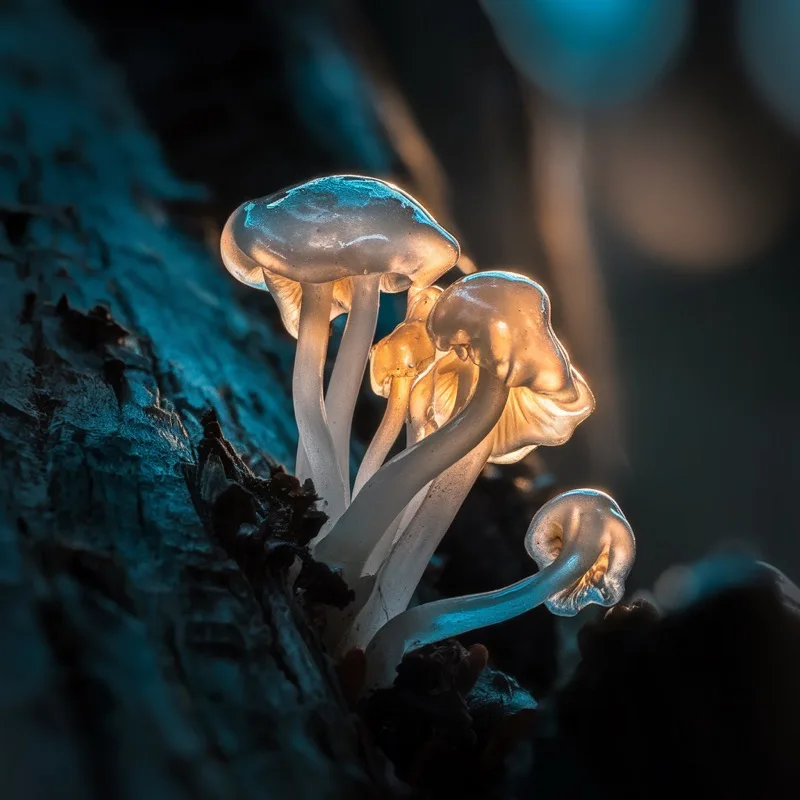
Tremella fuciformis is a gelatinous fungus belonging to the family Tremellaceae, found primarily in tropical and subtropical climates on dead or dying hardwood. It exists as a parasitic yeast that colonizes the mycelium of fungi in the genus Annulohypoxylon, triggering the formation of its characteristic white, frond-like, and translucent fruiting body. Its key pharmacological properties are attributed to its rich concentration of polysaccharides, which have demonstrated significant immunomodulatory, antioxidant, anti-inflammatory, and skin-hydrating effects — capable of holding up to 500 times their weight in water.
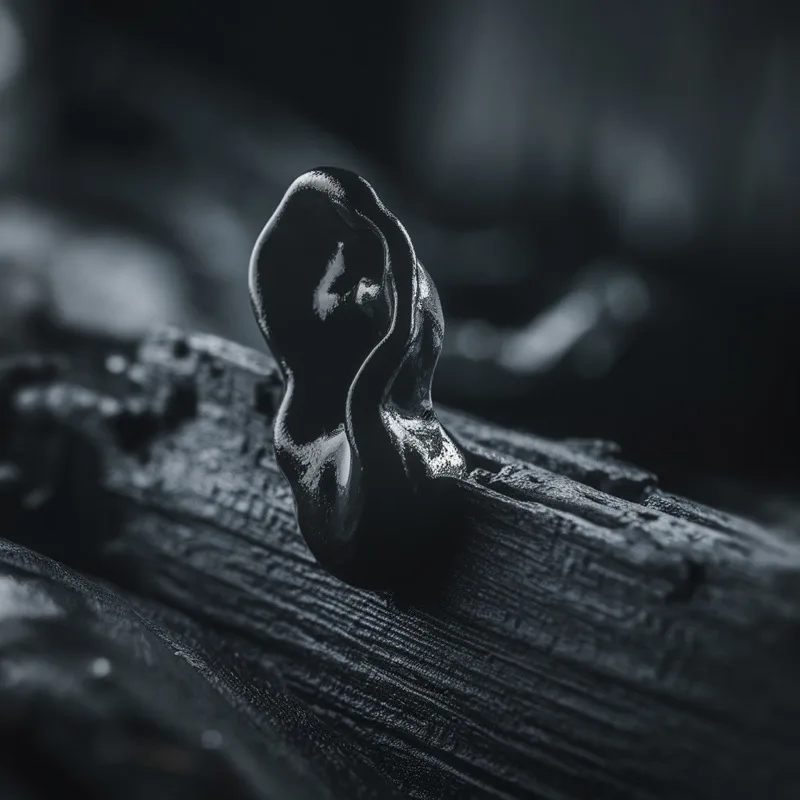
Black Fungus
Auricularia auricula-judae
Auricularia auricula-judae is a species of fungus in the order Auriculariales, characterized by its brown, gelatinous, ear-shaped fruiting bodies that grow on wood, especially elder, throughout Europe and Asia. The species has a tough, gelatinous, elastic texture when fresh but dries hard and brittle, with a reddish-tan-brown upper surface and a lighter grey-brown smooth underside. Key pharmacological properties include anticoagulant activity mediated by acidic polysaccharides, hypocholesterolemic effects, and significant iron content, making it a subject of interest in cardiovascular and hematological research.
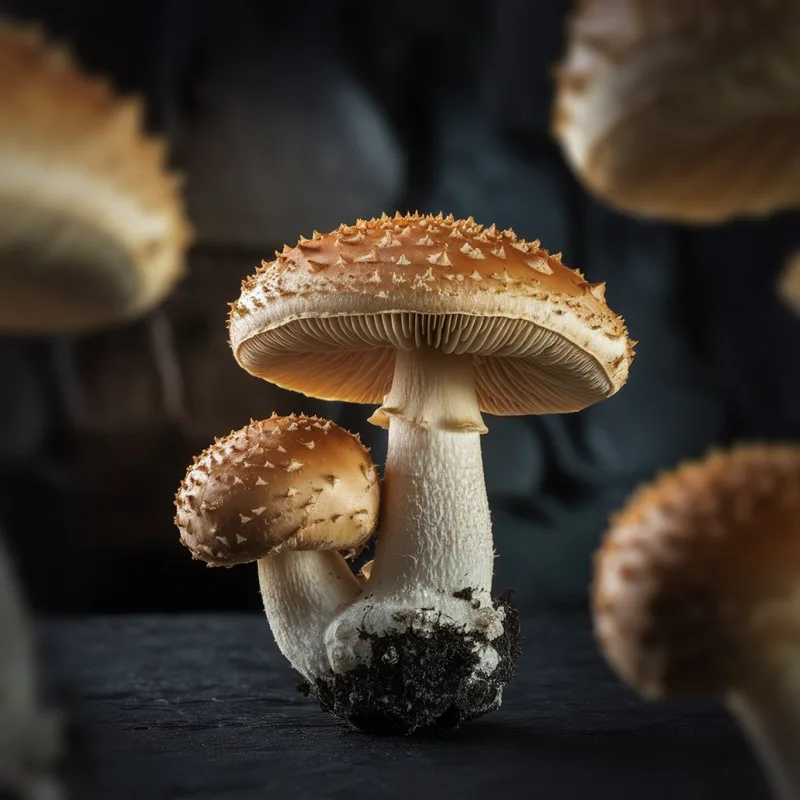
Royal Sun
Agaricus blazei
Agaricus subrufescens (syn. Agaricus blazei Murill) is a basidiomycete fungus belonging to the family Agaricaceae, native to the Atlantic forest highlands of Brazil. This saprophytic species thrives in humus-rich soils, characterized by a large, fleshy, brownish-gold convex cap, a short, stout stipe, and free lamellae that transition from pinkish to dark chocolate-brown as its smooth basidiospores mature. Key pharmacological properties are attributed to its rich composition of polysaccharides, particularly beta-glucans, which are responsible for its well-documented immunomodulatory, anti-inflammatory, and anti-tumor activities in both preclinical and clinical settings.
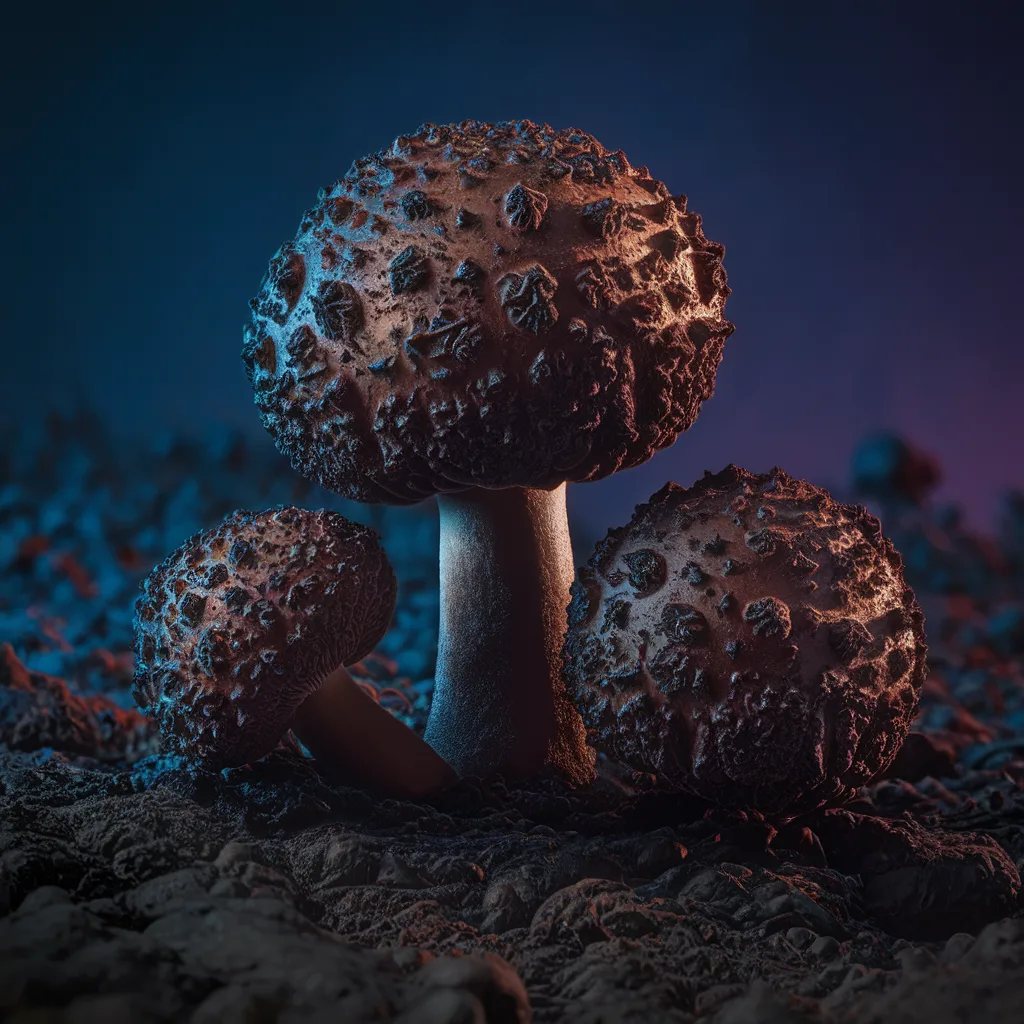
Tampanensis
Psilocybe tampanensis
Psilocybe tampanensis is a rare psilocybin-containing fungus first collected in Tampa, Florida in 1977 by mycologist Steven Pollock during a single collection event. Unusually, it produces sclerotia — dense, rock-like underground storage organs colloquially called 'Philosopher's Stones' or 'magic truffles' — in addition to standard fruiting bodies. These sclerotia contain psilocybin and psilocin in concentrations comparable to or slightly lower than Psilocybe cubensis, making Tampanensis one of the mildest commercially available psilocybin truffle varieties. The species gained cultural prominence through the Dutch smartshop industry, where its sclerotia are legally cultivated and sold as a regulated product under Netherlands drug policy. Clinically, psilocybin research at institutions including Johns Hopkins and Imperial College London has demonstrated therapeutic potential for depression, anxiety, and addiction — findings that apply broadly to psilocybin-containing species regardless of cultivar.
Hollandia
Psilocybe tampanensis (Hollandia cultivar)
Hollandia is a commercially marketed psilocybin truffle product derived from a selectively cultivated strain of Psilocybe tampanensis, developed in the Netherlands through years of cultivation optimization to produce sclerotia with substantially elevated psilocybin content. Unlike Tampanensis, Mexicana, and Atlantis — which are distinct biological species — Hollandia is a cultivar designation used by Dutch producers to identify their highest-potency truffle product. Chemical analyses of commercially available Hollandia truffles indicate psilocybin concentrations approximately 2–3 times higher than standard Tampanensis truffles, placing them among the most potent commercially available psilocybin products in the Netherlands. The experiential profile is characterized by powerful visual phenomena, deep emotional processing, spiritual experiences including ego dissolution at full doses, and a highly psychedelic character substantially more intense than mild varieties. Hollandia is recommended only for experienced users with established familiarity with psilocybin and a carefully prepared set and setting.
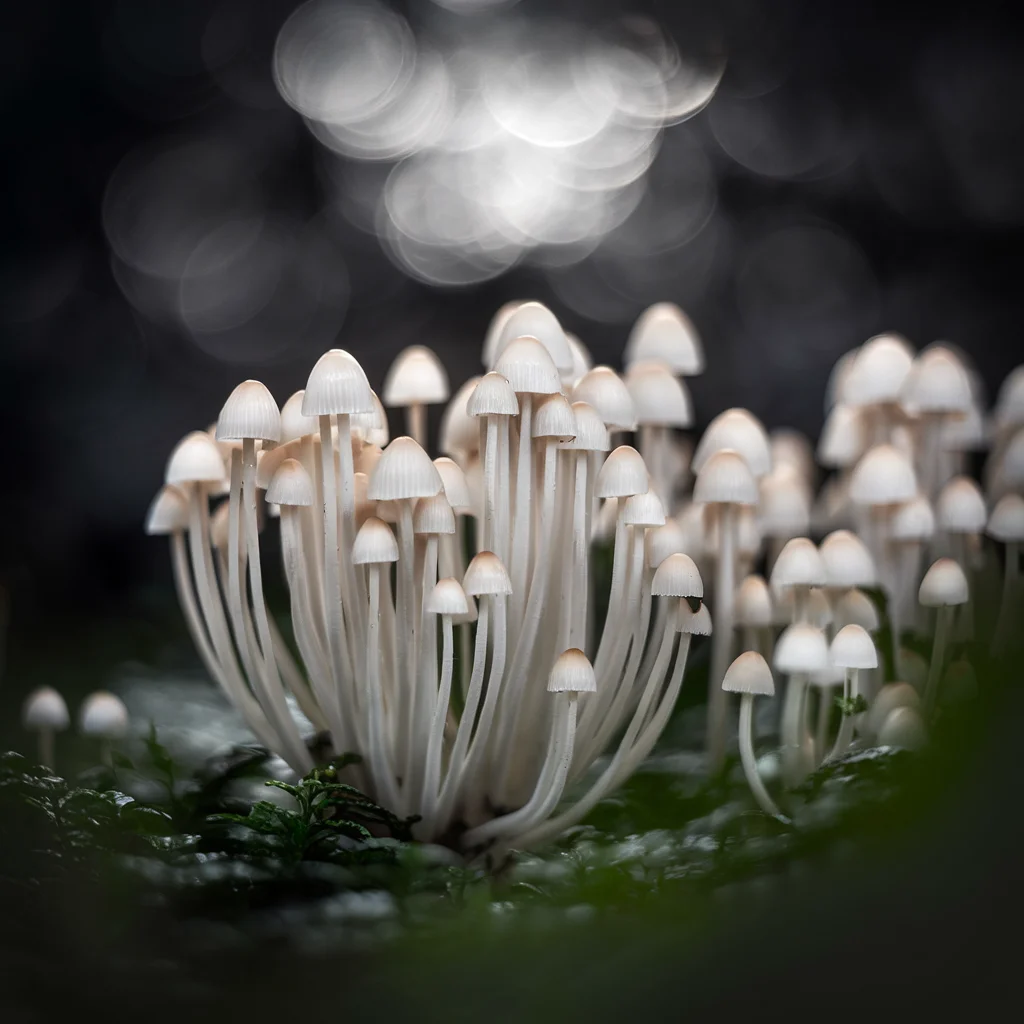
Enoki
Flammulina velutipes
Flammulina velutipes is a basidiomycete fungus of the family Physalacriaceae, order Agaricales, commonly known as enoki, enokitake, golden needle mushroom, or winter mushroom. In its cultivated form, it presents as clusters of long, thin, white stems (5–14 cm) topped by small, convex caps (1–2 cm diameter), grown in CO2-rich environments that promote stem elongation. Wild specimens differ markedly, featuring shorter stems, larger orange-brown caps with a sticky surface, and a velvety dark stipe base. F. velutipes is notable for its cold tolerance, fruiting at temperatures as low as -10°C. Pharmacologically, it contains flammulin and proflamin — glycoproteins with demonstrated antitumor activity — along with immunomodulatory beta-glucans, ergothioneine, and various phenolic compounds with antioxidant properties.
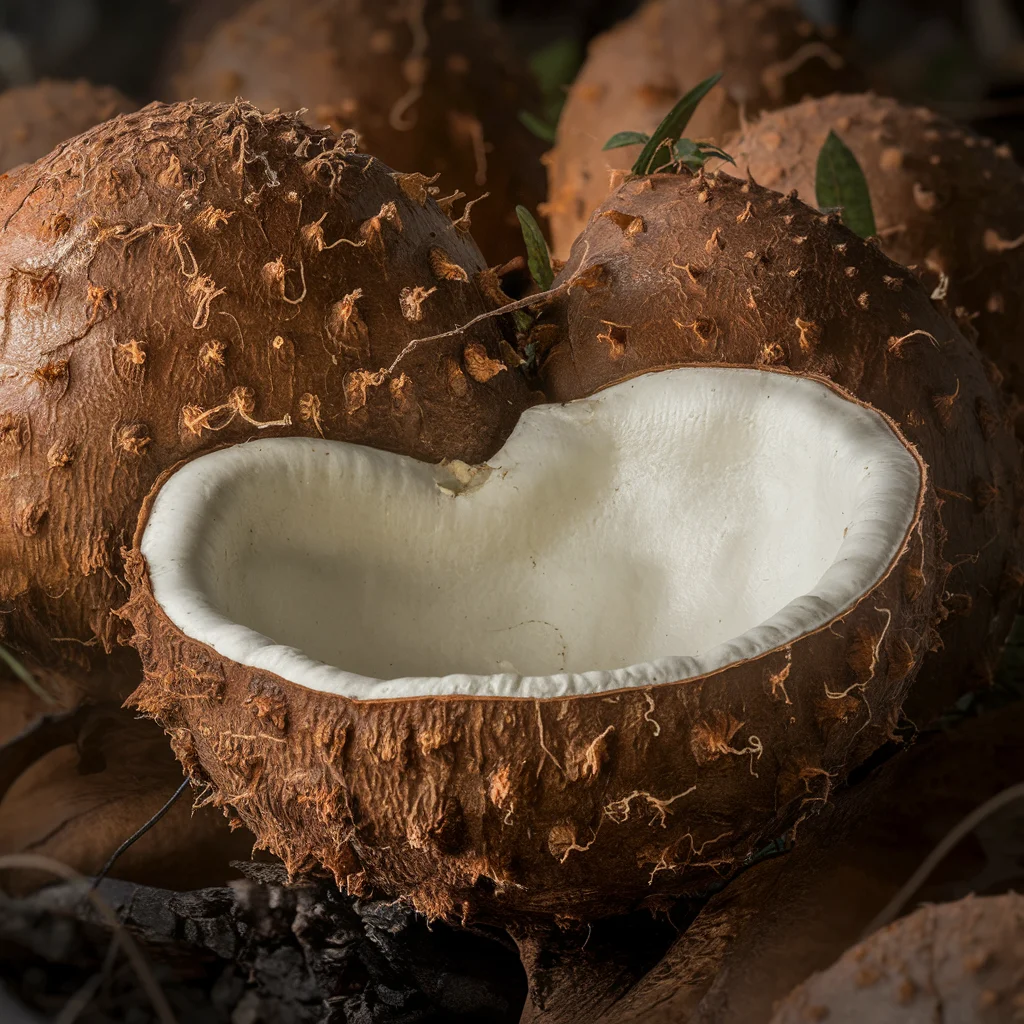
Poria
Wolfiporia extensa
Wolfiporia extensa (syn. Poria cocos, Macrohyporia extensa) is a wood-decay fungus in the family Polyporaceae that forms large, subterranean sclerotia on the roots of pine trees (Pinus spp.) in warm, temperate regions of North America and East Asia. The sclerotium — the medicinally used part — is a compact mass of hardened mycelium that can weigh several kilograms, with a rough, dark brown exterior and a white, starchy interior. Known as Fu Ling in Traditional Chinese Medicine (TCM), it is one of the most prescribed medicinal mushrooms in the Chinese pharmacopoeia, documented in the Shennong Ben Cao Jing (circa 200 CE). Key bioactive constituents include pachymic acid and other lanostane-type triterpenoids with anti-inflammatory and anti-tumor activity, along with beta-glucan polysaccharides demonstrating immunomodulatory, diuretic, and sedative properties.
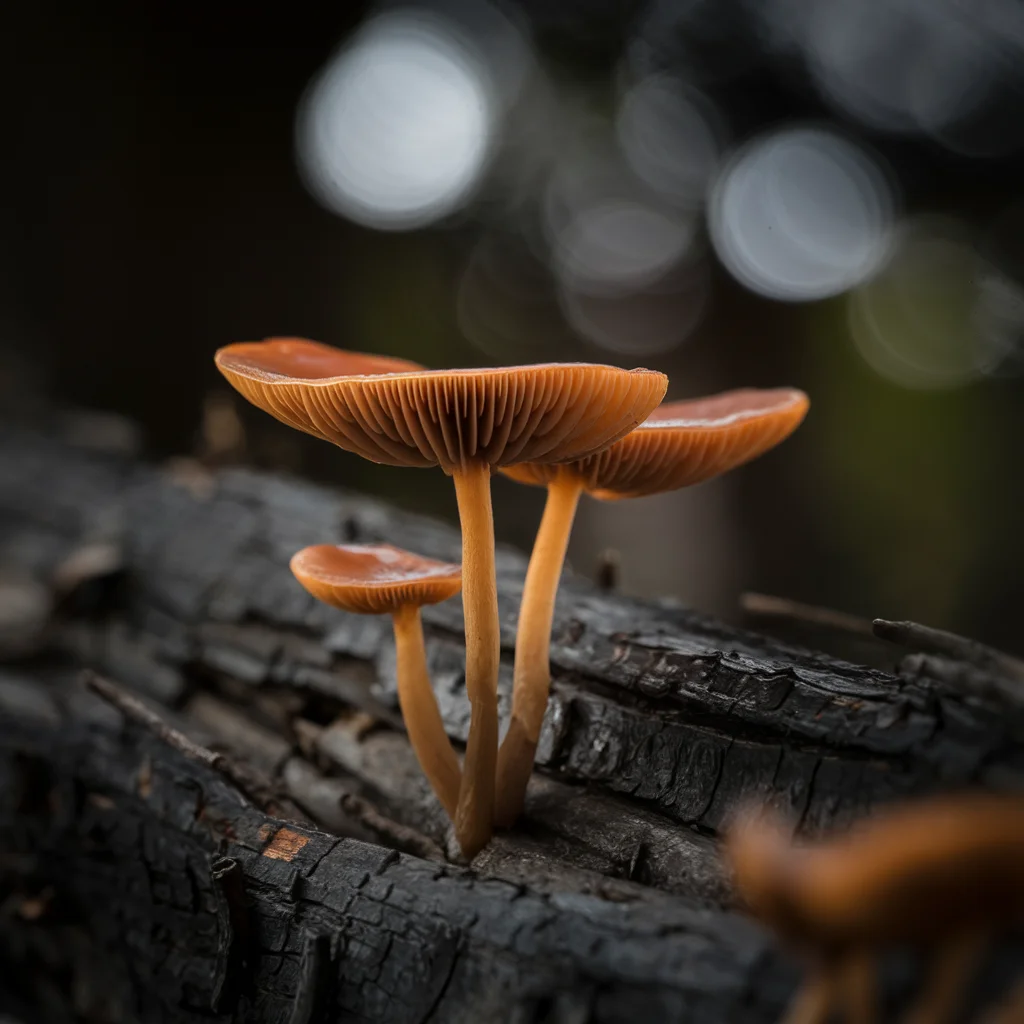
Antrodia
Antrodia camphorata
Antrodia camphorata (syn. Antrodia cinnamomea, Taiwanofungus camphoratus) is a rare parasitic fungus endemic to Taiwan, belonging to the family Fomitopsidaceae. It grows exclusively on the inner heartwood of the endangered Cinnamomum kanehirae (stout camphor tree), producing a distinctive orange-red to salmon-colored fruiting body with a porous, irregularly shaped surface. Due to the extreme rarity of its host tree and its slow growth rate, wild A. camphorata commands prices exceeding $500 per kilogram, earning it the designation 'ruby of the forest' in Taiwan. The fungus produces a remarkable diversity of bioactive metabolites, including antroquinonol (a ubiquinone derivative with documented anti-cancer activity), over 70 identified triterpenoids, polysaccharides, succinic acid derivatives, and maleic acid derivatives, collectively demonstrating hepatoprotective, anti-inflammatory, anti-fatigue, immunomodulatory, and anti-tumor properties.
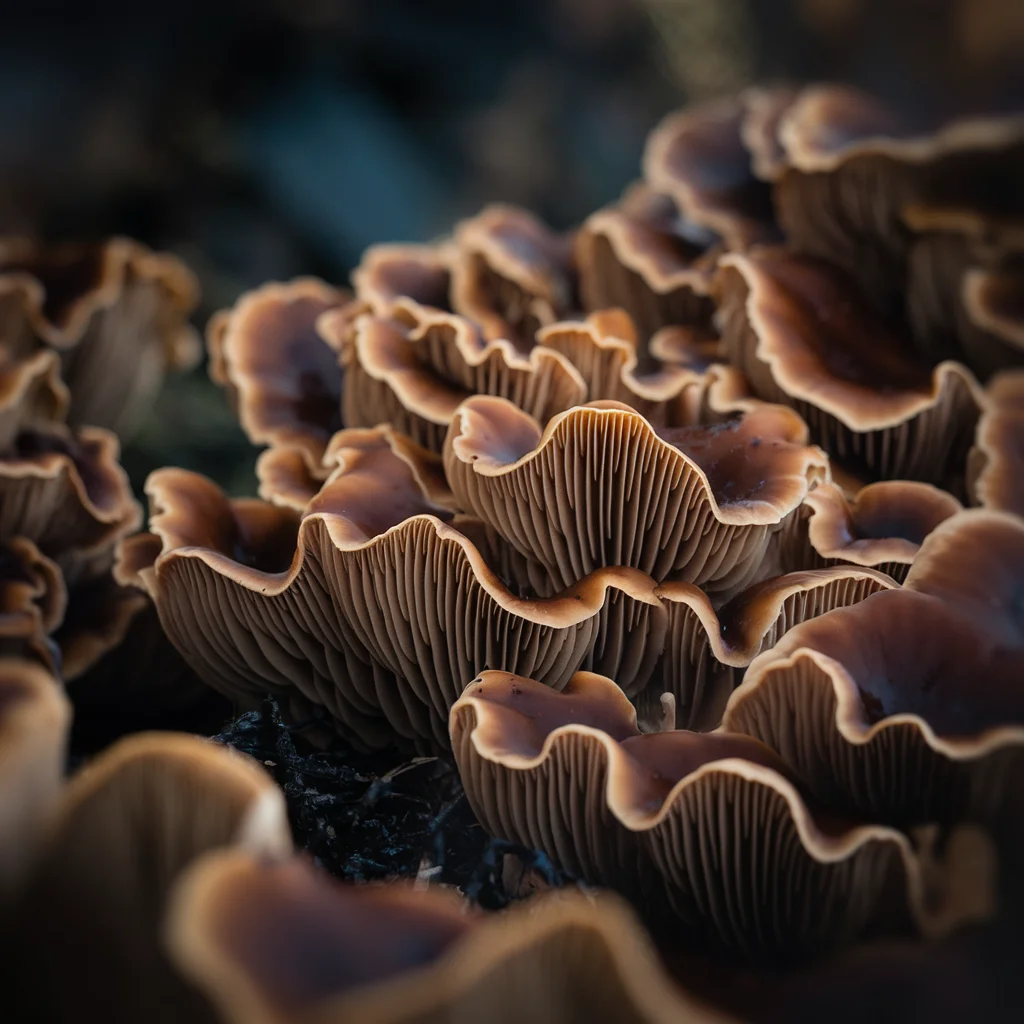
Wavy Caps
Psilocybe cyanescens
Psilocybe cyanescens is a potent psilocybin-containing basidiomycete of the family Hymenogastraceae, distinguished by its characteristically undulating (wavy) cap margin. The pileus is 2–5 cm in diameter, caramel to chestnut brown when moist, fading to pale buff when dry (hygrophanous), with a distinctive wavy or rippled edge at maturity. The stipe is 3–8 cm, white, and bruises strongly blue — a hallmark of psilocybin oxidation. P. cyanescens is a wood-decomposing saprotroph that fruits prolifically on lignin-rich substrates, particularly wood chip mulch, in the Pacific Northwest of North America and increasingly in urban and suburban landscapes across Europe, Australia, and New Zealand. It contains psilocybin at concentrations of 0.85–1.96% dry weight, making it significantly more potent than P. cubensis. Its spread via wood chip mulch in landscaping has made it one of the most commonly encountered potent psilocybin species in temperate urban environments.
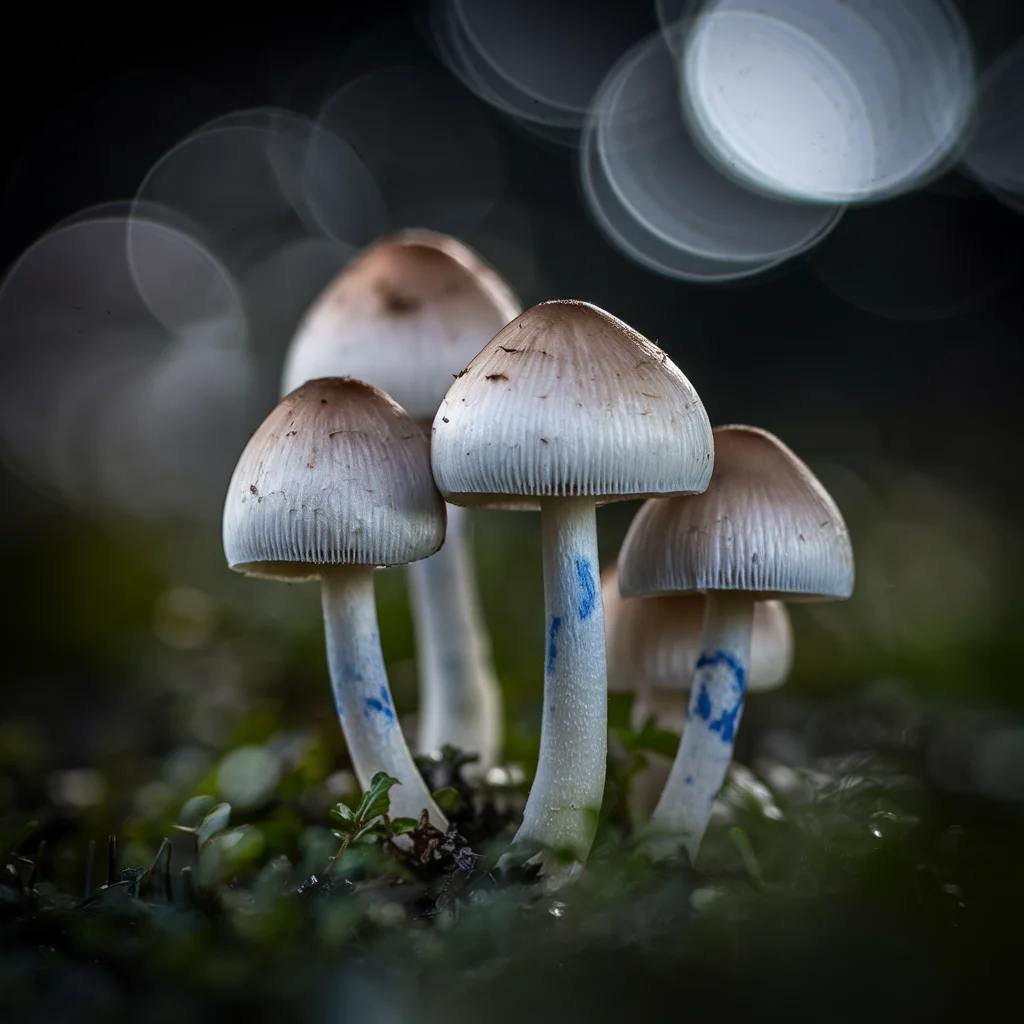
Blue Meanies
Panaeolus cyanescens
Panaeolus cyanescens (syn. Copelandia cyanescens) is a potent psilocybin-producing basidiomycete of the family Bolbitiaceae, order Agaricales, widely distributed across tropical and subtropical regions worldwide. It is characterized by a small to medium pileus (1.5–4 cm), initially hemispheric becoming broadly convex, light brown to greyish-white, with a thin, fragile stipe (7–12 cm) that bruises intensely blue. Unlike most Psilocybe species, P. cyanescens is coprophilous, fruiting on cattle and horse dung in warm, humid grasslands. It is significantly more potent than Psilocybe cubensis, with psilocybin and psilocin concentrations approximately 2–3 times higher by dry weight. Importantly, P. cyanescens should not be confused with the Psilocybe cubensis strain marketed as 'Blue Meanie' — they are entirely different species in different genera, a distinction critical for harm reduction and accurate dosing.
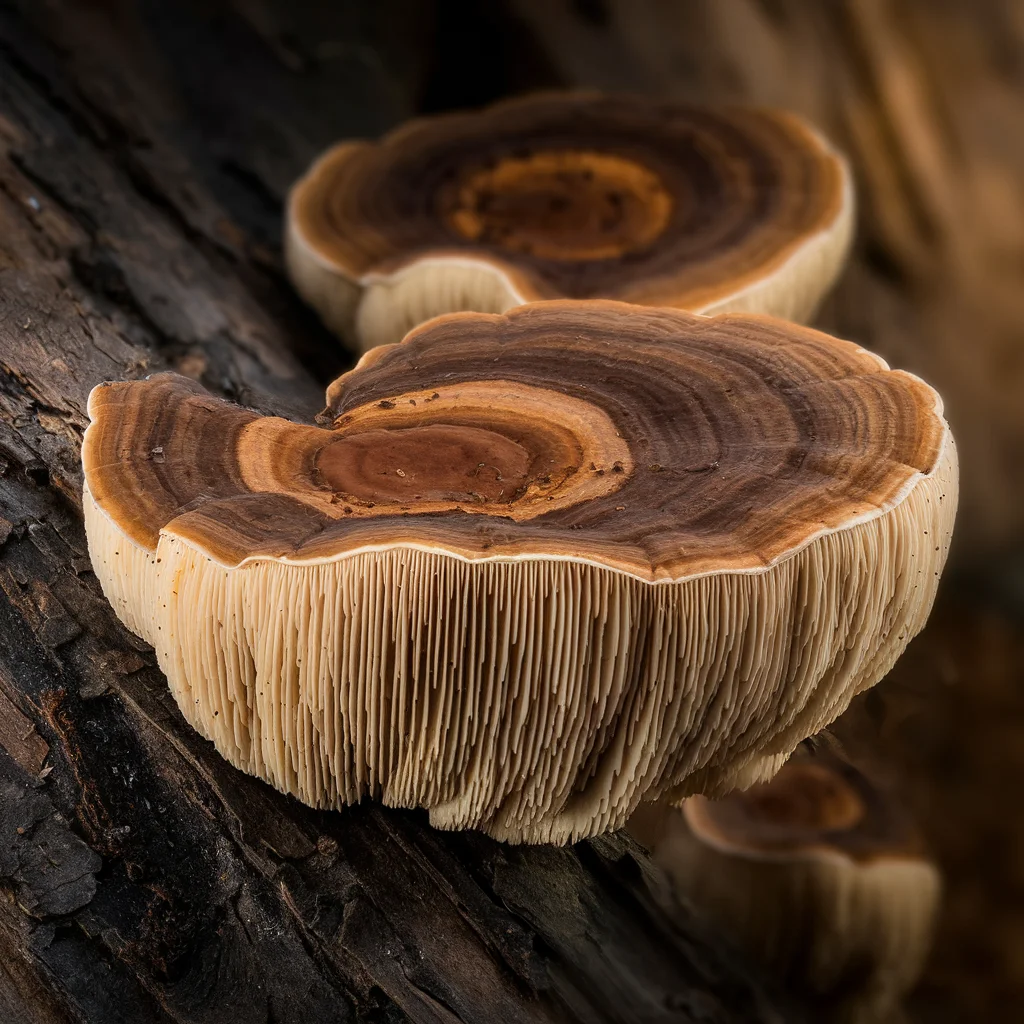
Artist's Conk
Ganoderma applanatum
Ganoderma applanatum is a perennial polypore fungus of the family Ganodermataceae, closely related to the renowned Ganoderma lucidum (Reishi). It forms large, flat, semicircular to fan-shaped basidiocarps (up to 60 cm across) on dead or dying hardwood trees, particularly beech, oak, and maple. The upper surface displays concentric brown growth zones with a hard, woody texture, while the lower surface features a white pore layer that bruises brown when scratched — a property that has made it a canvas for artists, hence the common name. G. applanatum shares a similar triterpenoid and polysaccharide profile with G. lucidum, including ganoderic acids with documented anti-inflammatory, anti-tumor, and hepatoprotective activities, along with immunomodulatory beta-glucans.
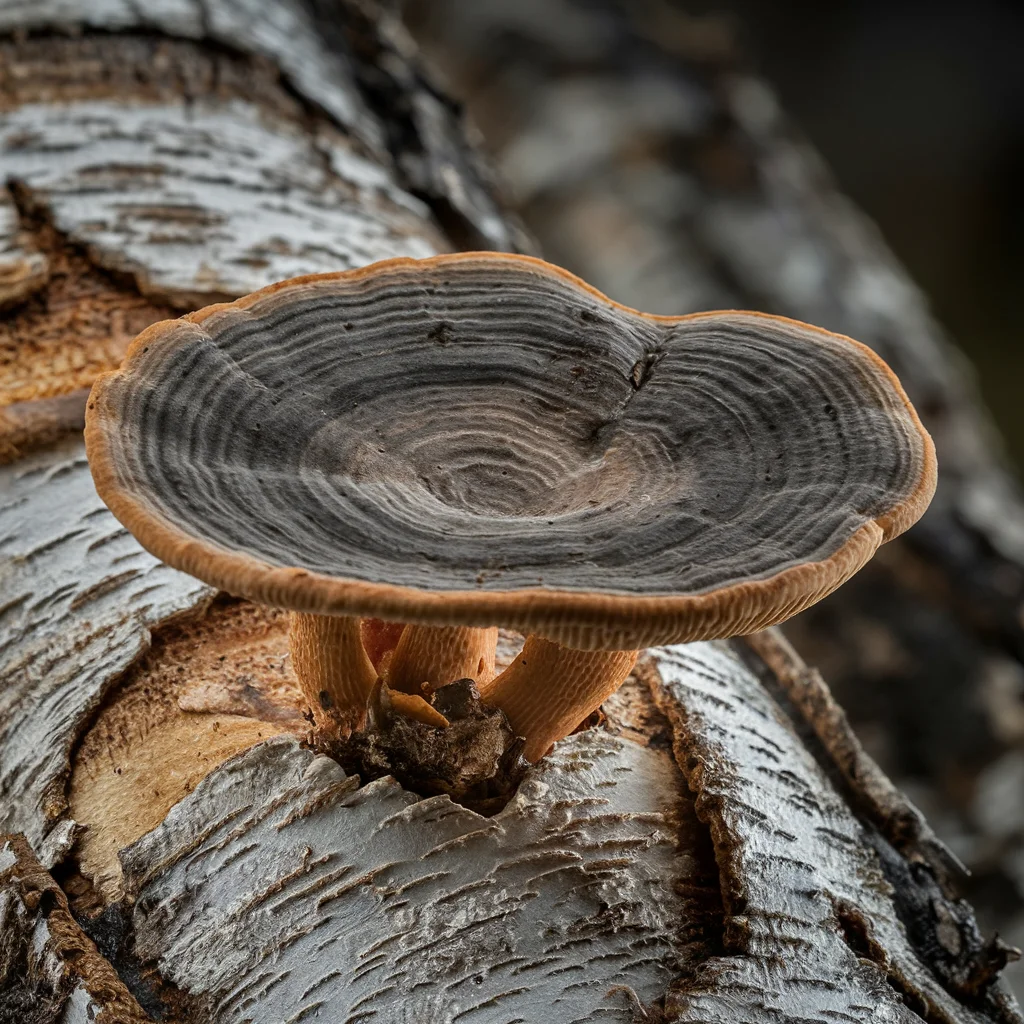
Tinder Polypore
Fomes fomentarius
Fomes fomentarius is a perennial polypore fungus of the family Polyporaceae, forming large, hoof-shaped (ungulate) basidiocarps on the trunks of birch, beech, and other hardwood trees across the Northern Hemisphere. The fruiting body is characterized by a hard, woody structure with concentric grey-brown growth zones, a smooth to slightly velvety surface, and a pale brown to cinnamon pore layer. F. fomentarius holds extraordinary historical significance: specimens were found among the possessions of Ötzi the Iceman (circa 3300 BCE), indicating human use spanning at least 5,300 years. Traditionally used as tinder (amadou) for fire-starting and as a styptic for wound care, modern pharmacological research has identified immunomodulatory polysaccharides, anti-inflammatory fomentariol, antioxidant ergosterol peroxide, and antibacterial compounds, validating aspects of its ancient medicinal applications.
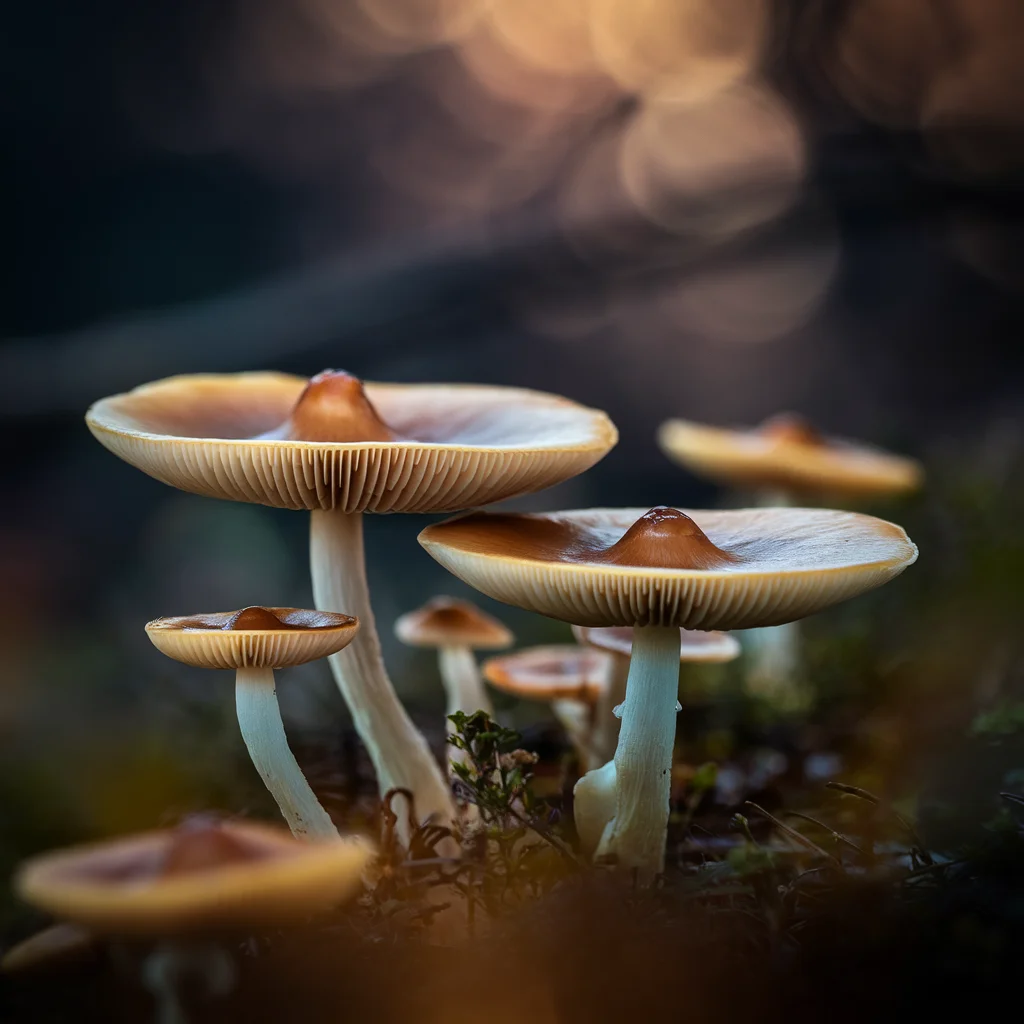
Flying Saucers
Psilocybe azurescens
Psilocybe azurescens is a psilocybin-containing basidiomycete of the family Hymenogastraceae, first described by Paul Stamets and Jochen Gartz in 1995. It holds the distinction of being the most potent known psilocybin mushroom species, with psilocybin concentrations reaching 1.78%, psilocin up to 0.38%, and baeocystin up to 0.35% by dry weight — a combined tryptamine content that significantly exceeds all other documented Psilocybe species. The pileus is 3–10 cm, broadly convex to flat, caramel-brown when moist, fading to straw-colored, with a distinctive saucer-like shape at maturity. P. azurescens is native to a narrow coastal range in the Pacific Northwest of North America, primarily in Oregon and Washington, where it fruits in sandy soils among dune grasses (Ammophila arenaria) and in coastal deciduous wood debris. Its restricted natural range, extreme potency, and discovery by Paul Stamets have given it an almost legendary status in the mycological community.
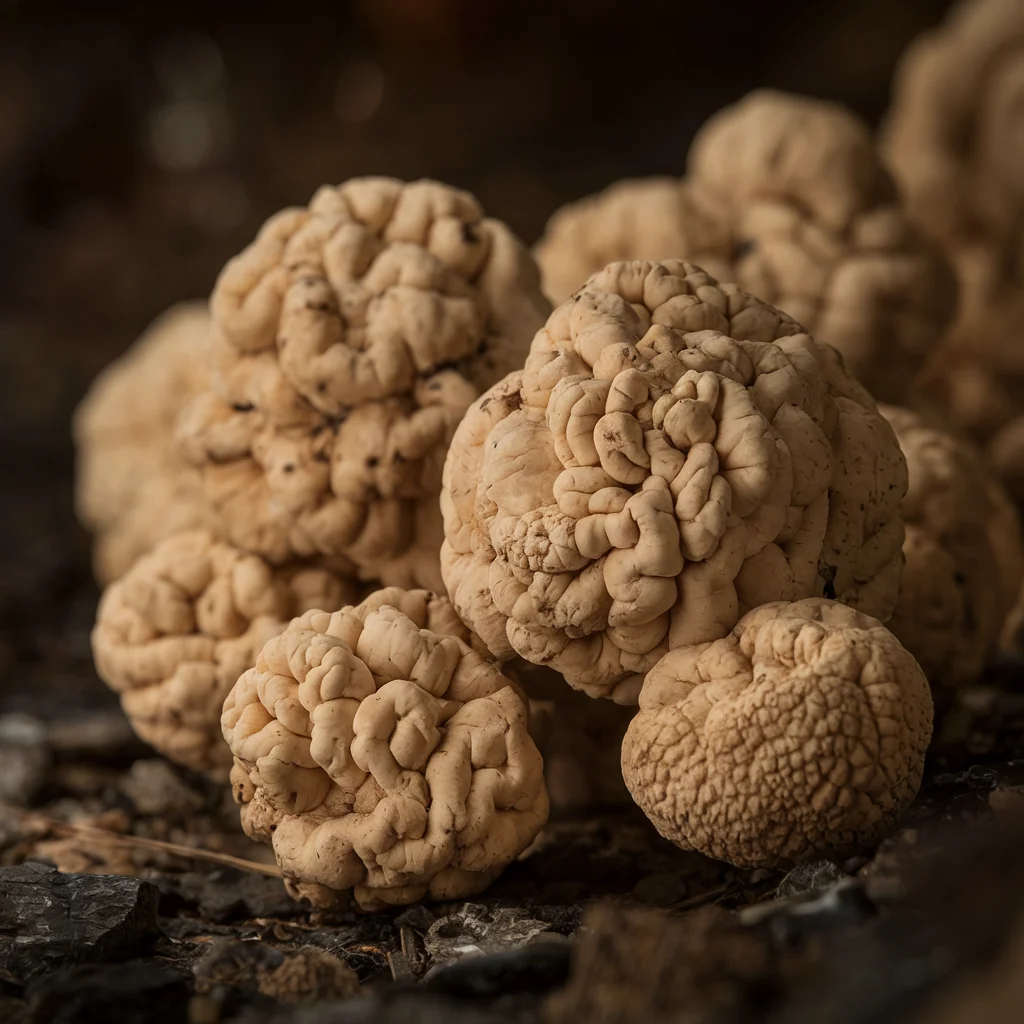
Pajaritos
Psilocybe galindoi
Psilocybe galindoi is a sclerotia-producing psilocybin mushroom of the family Hymenogastraceae, closely related to Psilocybe tampanensis. Native to Mexico, it was first described by Guzmán in 1983 from specimens collected in Jalisco. Like P. tampanensis, P. galindoi produces underground sclerotia (commonly marketed as 'truffles' or 'philosopher's stones') that contain psilocybin and are legally sold in Dutch smartshops under the name 'Pajaritos' (Spanish for 'little birds'). The sclerotia are small, dense, irregularly shaped masses with a dark brown exterior and lighter interior, containing moderate psilocybin concentrations that place them in the mild-to-moderate potency range — typically positioned between Mexicana (mildest) and Tampanensis in the Dutch truffle potency hierarchy. P. galindoi truffles are popular as an introductory psilocybin product for first-time users seeking a gentle, manageable experience.
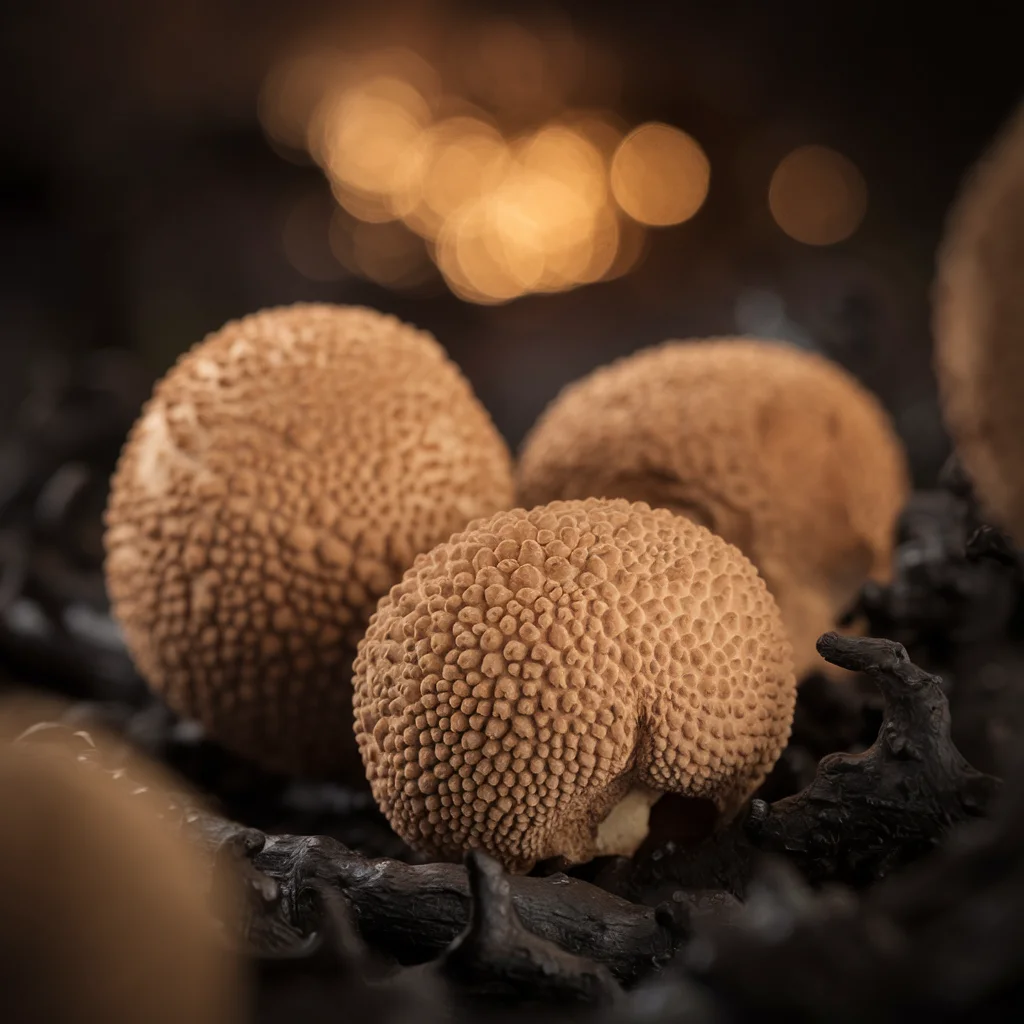
Utopia
Psilocybe tampanensis (Utopia cultivar)
Utopia is a commercially marketed high-potency psilocybin truffle cultivar derived from selectively bred Psilocybe tampanensis, developed by Dutch truffle producers to occupy the upper-mid potency range in the smartshop truffle hierarchy. Positioned between Atlantis (strong) and Hollandia (strongest) in potency, Utopia truffles are produced through selective cultivation pressure to yield sclerotia with elevated psilocybin concentrations relative to standard Tampanensis. The experiential profile is characterized by pronounced visual effects, euphoric mood enhancement, philosophical and introspective thinking, and a more immersive psychedelic character than mid-range varieties. Utopia is sold by major Dutch smartshop brands including Zamnesia, Wholecelium, and others, typically in 15-gram sealed packages, and is recommended for users with prior psilocybin experience who seek a strong but not overwhelming experience.
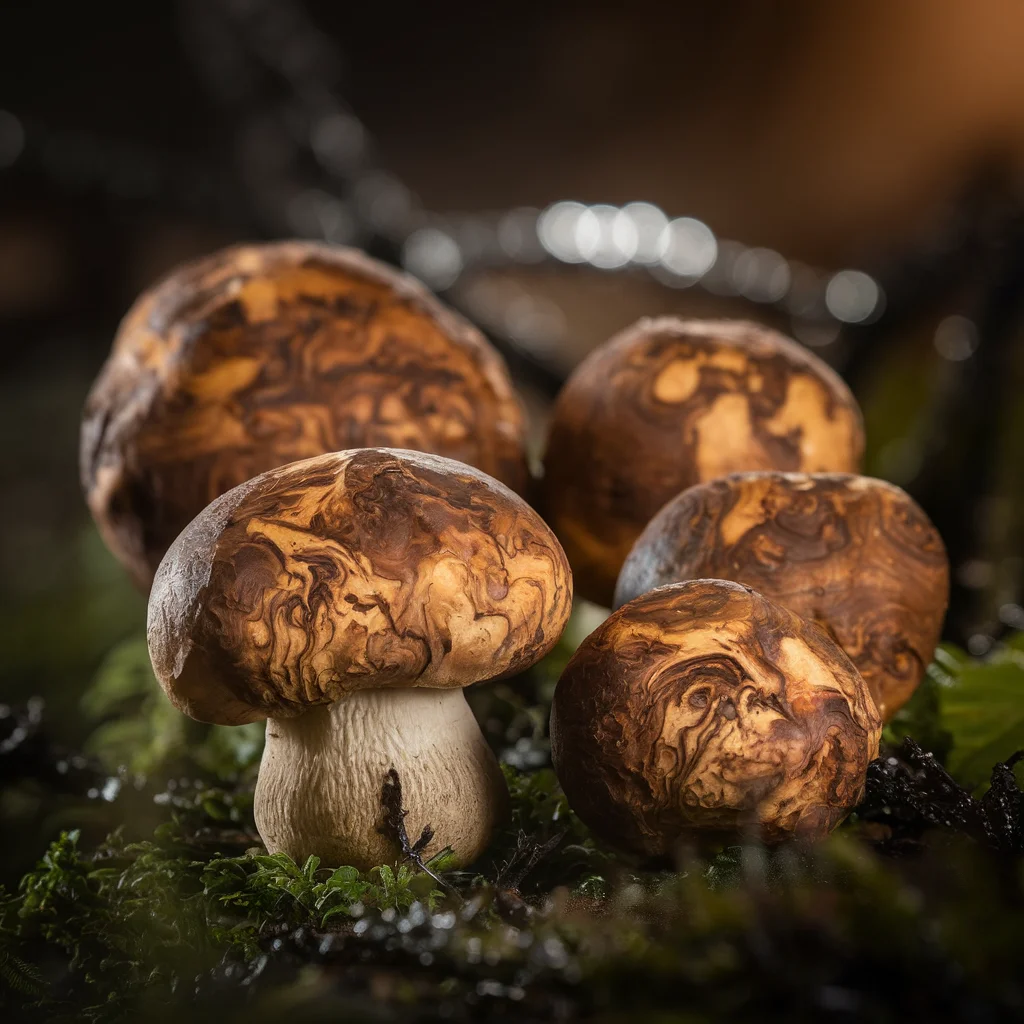
Valhalla
Psilocybe tampanensis (Valhalla cultivar)
Valhalla is a premium, high-potency psilocybin truffle cultivar marketed by Dutch smartshop producers, derived from selectively cultivated Psilocybe tampanensis strains optimized for maximum psilocybin content. Named after the Norse mythological hall of the slain — where warriors feast with the gods — Valhalla truffles are positioned at the highest potency tier alongside Hollandia in the Dutch truffle market. The experiential profile is characterized by intense visual phenomena, profound emotional and spiritual experiences, potential ego dissolution at full doses, and a deeply immersive psychedelic character. Valhalla is explicitly marketed for experienced psychonauts and is not recommended for first-time users. It is available from multiple Dutch smartshop brands and represents the pinnacle of commercially available psilocybin truffle potency.
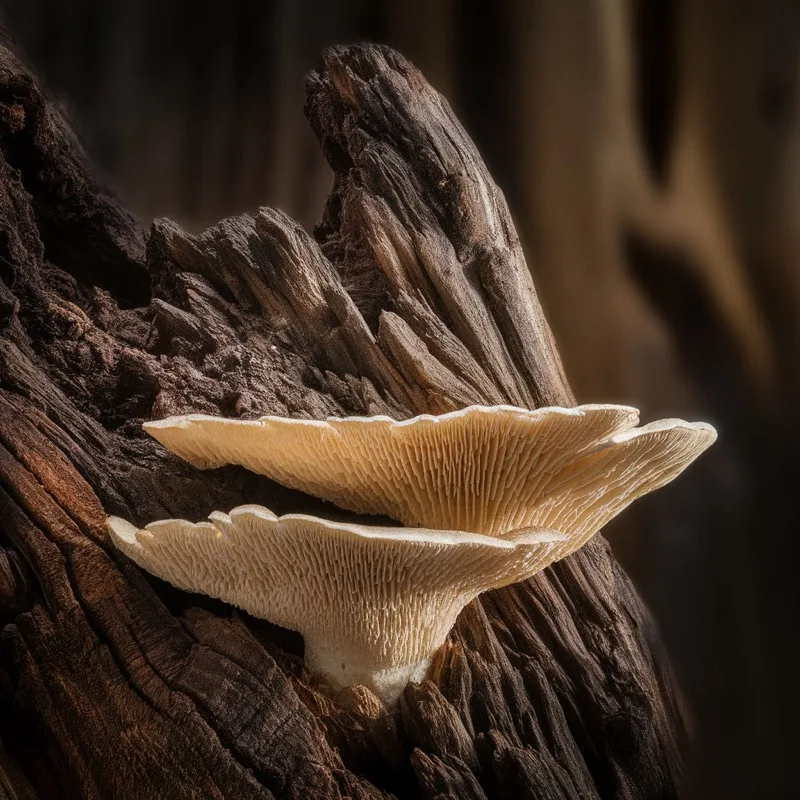
Agarikon
Laricifomes officinalis
Laricifomes officinalis is a wood-decay fungus in the order Polyporales, found in old-growth coniferous forests in Eurasia, Morocco, and North America, where it causes brown heart rot on trees such as Larix, Pinus, and Cedrus. The fruiting body, or conk, is a large, hoof-shaped or columnar structure that can weigh up to 9 kilograms, with a chalky white interior and a bitter taste. Key pharmacological properties include potent antiviral activity against various viruses — including pox viruses, herpes simplex virus (HSV-1 and HSV-2), and influenza — as well as antibacterial effects against Mycobacterium tuberculosis.
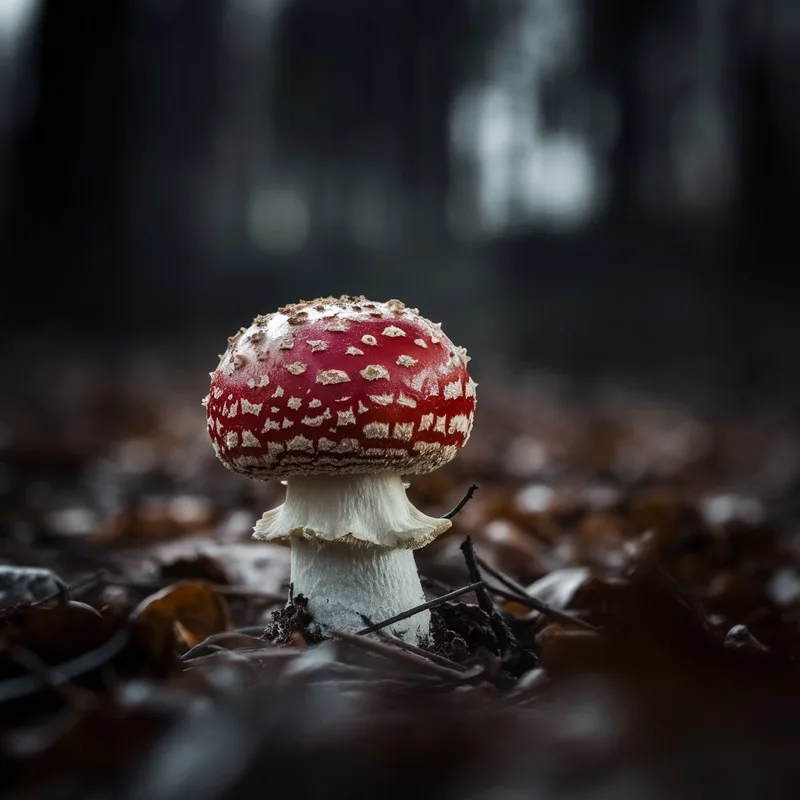
Amanita Muscaria
Amanita muscaria
Amanita muscaria is a basidiomycete fungus of the genus Amanita, native to temperate and boreal regions of the Northern Hemisphere, where it forms ectomycorrhizal relationships with various trees including birch, pine, and spruce. This species is characterized by its large, conspicuous fruiting body with a bright red to orange cap bearing white, warty patches (remnants of the universal veil), a white stipe with a prominent ring, and a bulbous base. The primary psychoactive compounds are ibotenic acid and its decarboxylation product muscimol, which act on the GABAergic system as a potent GABA-A receptor agonist, producing sedative and anxiolytic effects distinct from serotonergic psychedelics.
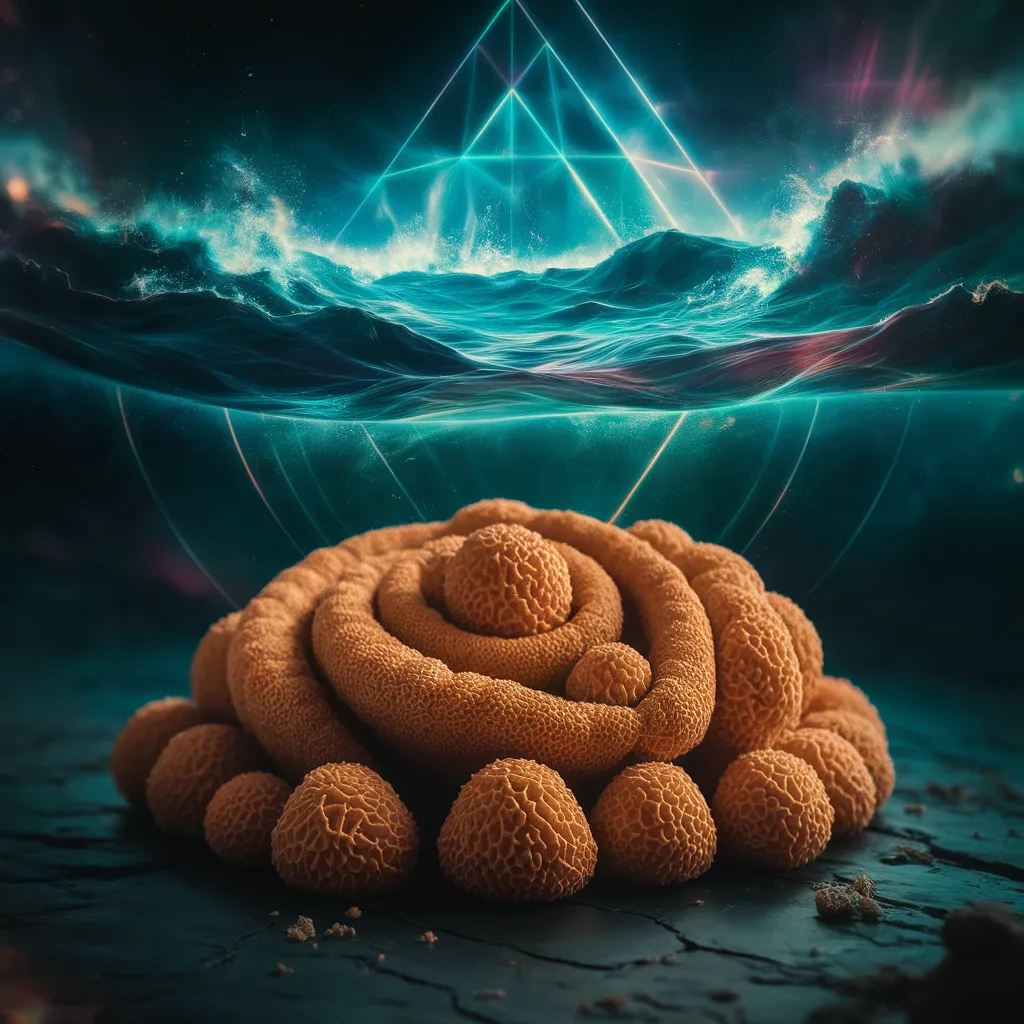
Atlantis
Psilocybe atlantis
Psilocybe atlantis is a psilocybin-containing basidiomycete fungus first formally described from Fulton County, Georgia, USA, closely related to Psilocybe mexicana and sharing its capacity to produce sclerotia (magic truffles). Chemical analyses indicate that P. atlantis sclerotia contain psilocybin concentrations approximately 30–50% higher than Psilocybe tampanensis, placing it in the medium-to-strong potency bracket among commercially available Dutch truffle varieties. Morphologically, the fruiting bodies are small, with conical to bell-shaped honey-brown caps showing pronounced hygrophanous coloration. The sclerotia are marketed commercially in the Netherlands, where they are legally cultivated and sold under the Dutch policy framework distinguishing truffles from prohibited dried mushrooms. Users characteristically report more pronounced visual effects compared to milder varieties like Tampanensis or Mexicana, with strong euphoria, enhanced pattern recognition, and creative cognitive enhancement at standard doses.
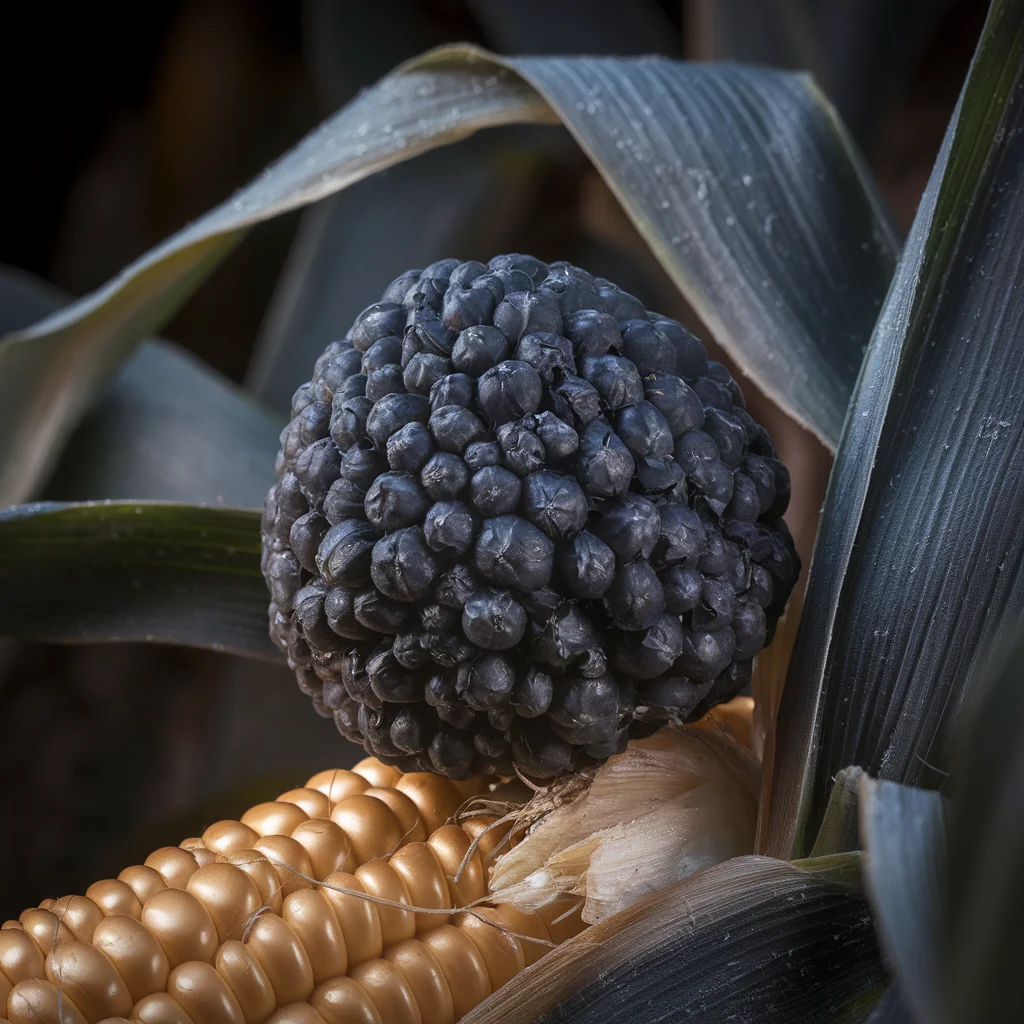
Huitlacoche
Ustilago maydis
Ustilago maydis is a biotrophic pathogenic basidiomycete fungus of the order Ustilaginales that infects Zea mays (corn), inducing the formation of large, tumor-like galls (2–15 cm) on ears, stalks, and tassels. These galls, known as huitlacoche (from Nahuatl: cuitlacochtli) or Mexican truffle, are filled with blue-black teliospores and are considered a culinary delicacy in Mexican cuisine, commanding premium prices in gourmet markets. Nutritionally, huitlacoche is remarkable: it contains significantly higher protein content than uninfected corn (up to 12% vs. 3.5%), elevated levels of the essential amino acid lysine (typically deficient in corn), essential fatty acids including oleic and linoleic acid, beta-glucans, and various phenolic compounds with antioxidant activity. The fungus has been consumed in Mesoamerica since pre-Columbian times and is increasingly recognized as a functional food with emerging superfood status.
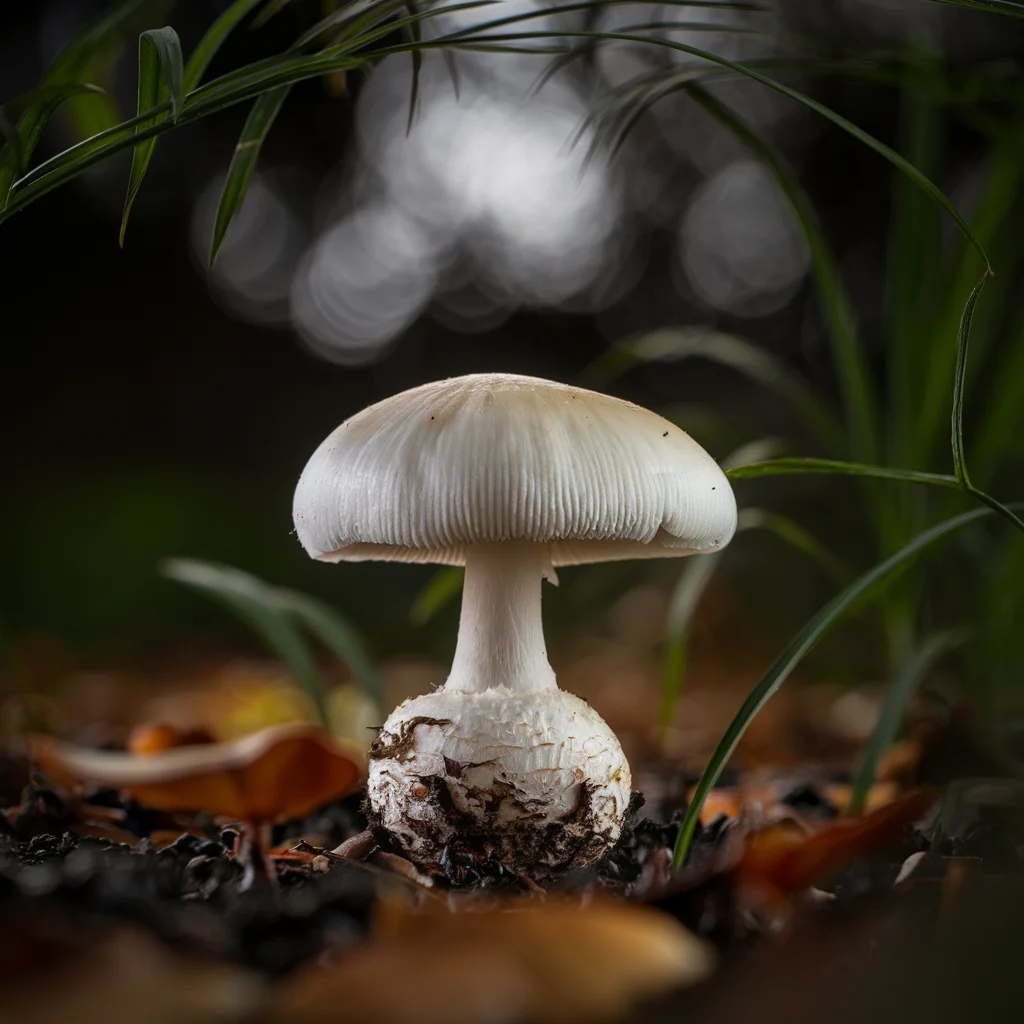
Tiger Milk Mushroom
Lignosus rhinocerus
Lignosus rhinocerus is a rare polypore fungus of the family Polyporaceae, endemic to tropical rainforests of Southeast Asia, particularly Peninsular Malaysia, southern Thailand, and parts of Indonesia. It produces a distinctive fruiting body consisting of a centrally stipitate pileus (cap) arising from a large, underground sclerotium (tuber) that serves as the primary medicinal part. The common name derives from a Malaysian legend that the mushroom grows where tiger's milk has dripped onto the ground. L. rhinocerus has been used by indigenous Orang Asli communities in Malaysia for generations as a traditional remedy for coughs, asthma, bronchitis, and other respiratory ailments. The Malaysian government has designated it a national treasure and invested significantly in its research and cultivation. Key bioactive compounds include high-molecular-weight polysaccharide-protein complexes with demonstrated immunomodulatory, anti-inflammatory, and anti-asthmatic properties.
¿Qué son las setas funcionales?
Los hongos funcionales son especies de hongos que se han utilizado durante siglos en los sistemas de medicina tradicional de Asia, Europa y América. A diferencia de los hongos culinarios, que se cultivan principalmente por su sabor, las variedades funcionales se valoran por sus compuestos bioactivos y sus posibles propiedades beneficiosas para la salud.
La investigación moderna ha empezado a validar muchos de estos usos tradicionales, con estudios clínicos que exploran sus efectos sobre la inmunidad, la cognición, la energía y la respuesta al estrés.
Principales compuestos activos
- Betaglucanos modulación inmunitaria
- Hericenonas factor de crecimiento nervioso
- Triterpenos antiinflamatorio
- Cordycepin energía y resistencia
- Polisacáridos salud intestinal
- Ergosterol precursor de la vitamina D
¿Es nuevo en la terminología de las setas? Consulta nuestra Glosario de términos para consultar las definiciones de los principales términos científicos y de suplementos.
Encuentre productos con su
Setas favoritas
Explore nuestro catálogo de suplementos, gominolas, cafés y extractos de setas, filtrados por especie, marca y resultados de laboratorio verificados.
Calculadora de dosis de setas
Obtenga recomendaciones de dosificación personalizadas para cualquier especie en función de su nivel de experiencia, peso corporal y objetivos.
Related Guides
Dosage Calculator
Find your ideal dose for any mushroom species.
All Mushroom Guides
Browse our full library of research-backed mushroom guides.
Best Mushroom Coffee
Top-rated mushroom coffee blends reviewed and compared.
Mushroom Gummies
The best functional mushroom gummies for focus, energy & sleep.
Mushroom Capsules
High-potency mushroom capsules ranked by extract quality.
Mushroom Powders
Pure mushroom powders for smoothies, coffee & cooking.
Find Stores Near You
Locate mushroom supplement retailers in your area.